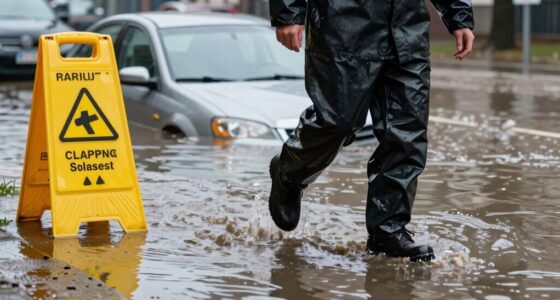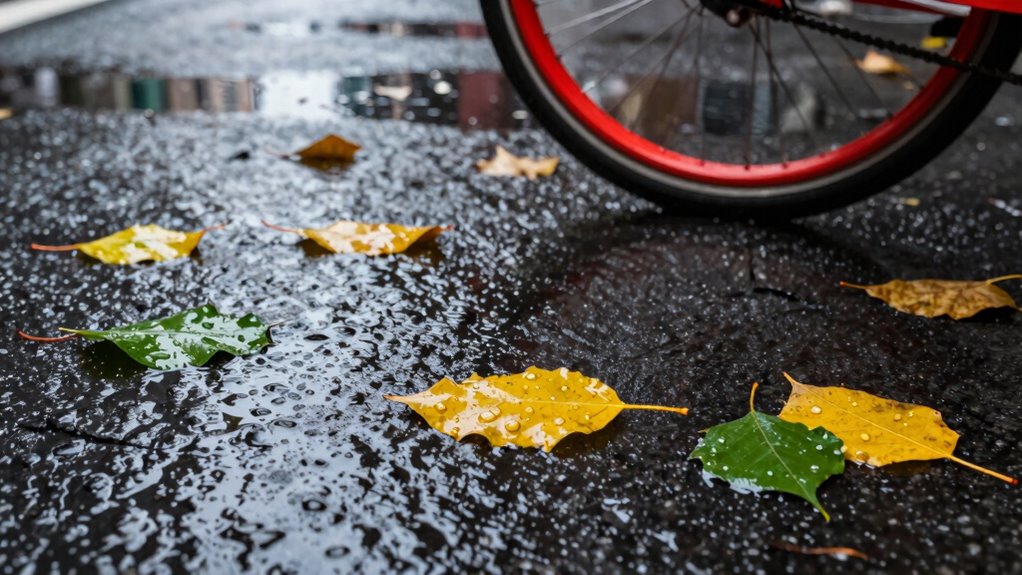

Wet leaves are a foolish and often overlooked crash risk in cities because they create slippery surfaces that can cause your tires to lose traction, leading to skidding or accidents. Piles of leaves hide hazards like potholes and debris, and their blend with water makes it hard to judge safe conditions. Many drivers underestimate these dangers and drive recklessly, increasing the chances of a crash. Keep going to discover simple tips to stay safe this fall.
Prime for Young Adults — start your free trial
Fast free delivery, streaming and member deals for eligible 18–24 year olds.
As an affiliate, we earn on qualifying purchases.
Key Takeaways
- Wet leaves reduce tire traction, increasing skidding and loss of vehicle control.
- Piles of leaves conceal hazards like potholes, leading to unexpected accidents.
- Drivers often underestimate leaf slipperiness, causing unsafe maneuvers.
- Wet leaves blend with water, making slippery patches harder to detect.
- Lack of proper street maintenance and driver vigilance exacerbates leaf-related crash risks.
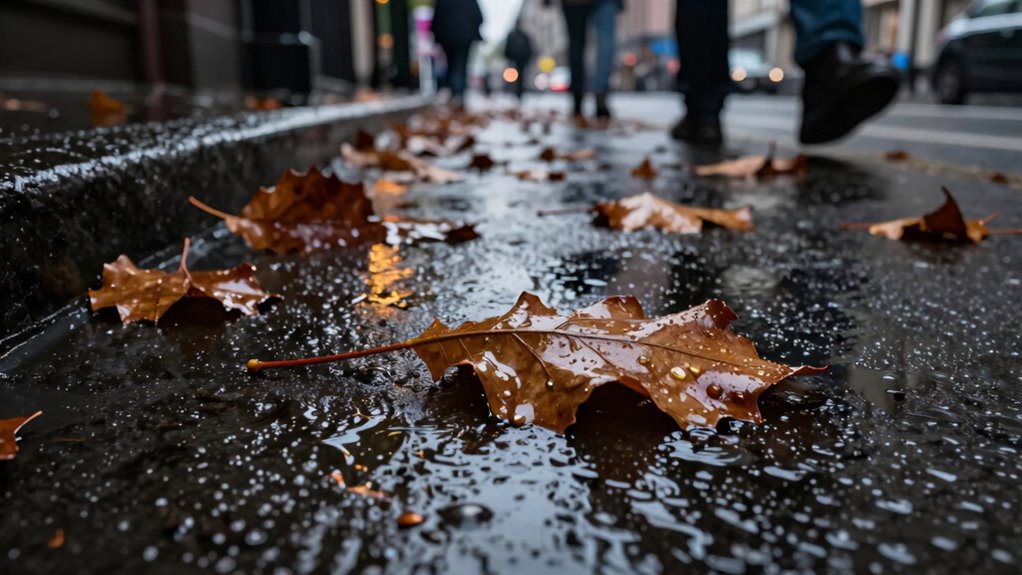
Every fall, as leaves blanket city streets, drivers often overlook an obvious hazard: wet leaves can cause serious accidents. It’s easy to dismiss a pile of colorful foliage as harmless, but the truth is, leaf pile hazards are a real danger. When leaves become damp, they create slippery street conditions that can catch you off guard, especially during rush hours or in the early mornings when visibility is limited. These conditions reduce tire traction, increasing the risk of losing control or skidding, even at modest speeds. Many accidents happen precisely because drivers underestimate how slick wet leaves can be, confusing them with patches of water or mud.
Wet leaves can be deadly—slippery conditions and hidden hazards make cautious driving essential this fall.
The problem worsens when leaves are accumulated in large piles along the curb or in intersections. You might see a heap of leaves and think it’s just a nuisance, but that pile can hide other hazards like uneven pavement, potholes, or debris. Attempting to drive over or around these piles can compromise your vehicle’s grip, making steering unpredictable. Leaf pile hazards don’t just threaten your safety—they also pose risks for pedestrians, cyclists, and other drivers who might not see a slick patch until it’s too late. Wet leaves can cause your tires to slide sideways, especially during turns or sudden stops, which is why many city streets become treacherous during the fall.
While some drivers believe their vehicles are equipped to handle slippery conditions, wet leaves are tricky because they often blend with actual water on the road, making it hard to distinguish safe driving conditions from dangerous ones. This confusion can lead to hesitation or sudden maneuvers that cause accidents. The key is to slow down when you see leaf piles or damp patches, especially after rain or early in the morning when dew is still present. Recognizing the hazard of wet leaves can help drivers stay more cautious and prepared. Additionally, understanding the impact of slippery road conditions on vehicle control can further reduce the risk of accidents. Proper road maintenance plays a crucial role in mitigating these dangers, but driver vigilance remains essential.
It’s also important to remember that proper road maintenance can significantly reduce these risks, but drivers must stay vigilant when navigating through fall debris. In the end, it’s simple: don’t underestimate the risk posed by wet leaves. They’re not just a seasonal annoyance—they’re a hazard that can turn a routine drive into a disaster. Staying attentive, reducing your speed, and steering carefully around leaf pile hazards will help you avoid unnecessary accidents. Remember, in fall, the most overlooked dangers are often right beneath your nose, and wet leaves are one of the most foolish risks you can ignore on city streets.
As an affiliate, we earn on qualifying purchases.
Frequently Asked Questions
How Do Wet Leaves Affect Bicycle Safety?
Wet leaves can considerably impact your bicycle safety by reducing traction on the road. Leaf accumulation creates a slippery surface, making it harder to control your bike, especially during turns or sudden stops. You might not realize it, but wet leaves can cause your tires to slide, increasing the risk of falls and accidents. Always stay alert and slow down when riding through areas with wet leaves to maintain control.
Are There Specific Cities With Higher Leaf-Related Accidents?
You’ll find that cities with dense urban foliage and pronounced seasonal hazards see more leaf-related accidents. Places like Portland, Seattle, and New York experience increased risks during fall when wet leaves cover roads and bike lanes. These cities’ vibrant trees contribute to the problem, especially when leaves become slippery and obscure pavement markings. Staying alert and reducing speed in these areas helps prevent accidents caused by wet leaves.
What Are the Most Effective Ways to Clear Leaves From Roads?
Ever wondered how to prevent those slippery, leaf-covered streets? You should prioritize regular leaf removal and street sweeping, especially during peak fall. These methods effectively clear wet leaves, reducing accident risks. Using specialized street sweepers designed for debris collection makes a big difference. Consistent maintenance, combined with community awareness, keeps roads safer. Don’t underestimate the power of routine street cleaning in preventing costly accidents caused by slippery, wet leaves.
Do Wet Leaves Impact Pedestrian Safety as Well?
Wet leaves definitely impact pedestrian safety by creating sidewalk hazards and increasing the risk of pedestrian slips. When leaves stay wet, sidewalks become slippery, making it easy for you to lose footing. This hazard is especially dangerous during rainy days or in shaded areas where leaves tend to stay damp longer. Always watch your step and avoid walking through leaf-covered patches to prevent accidents and stay safe.
How Do Weather Patterns Influence Leaf-Related Driving Risks?
Weather patterns act like a puppeteer, pulling the strings of leaf fall and moisture levels, which directly influence driving risks. Climate influence and seasonal variations cause wetter conditions in fall, making leaves slick and hazardous. Heavy rain or early frosts increase these dangers, reducing tire grip. You need to stay alert during these times, as wet leaves become a hidden trap that can turn your commute into a risky game of chance.
slippery road hazard warning signs
As an affiliate, we earn on qualifying purchases.
As an affiliate, we earn on qualifying purchases.
Conclusion
So, next time you see wet leaves on the road, remember they’re like tiny ice patches waiting to surprise you. Don’t let their quiet, crunching disguise turn your commute into a slip-and-slide. Stay alert and slow down — because these harmless-looking leaves are like sneaky ninjas, ready to cause chaos when you least expect it. Keep your wits about you, and don’t let these fallen leaves turn your drive into a risky game of chance.
vehicle traction control systems
As an affiliate, we earn on qualifying purchases.
As an affiliate, we earn on qualifying purchases.
As an affiliate, we earn on qualifying purchases.
NFL season / tailgating Picks
team gear
As an affiliate, we earn on qualifying purchases.