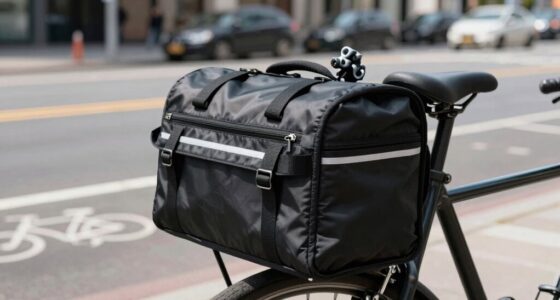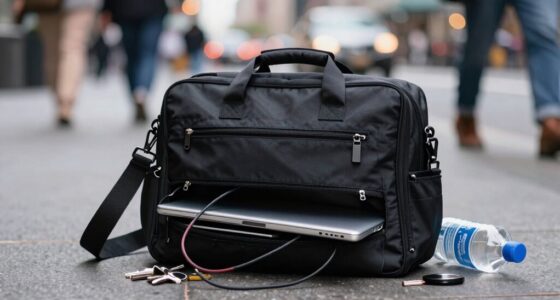
After a ride, quickly remove excess mud and rinse your gear with clean water. Gently squeeze or roll out moisture, avoiding wringing, and handle fabric carefully to speed up drying. Hang your boots and clothes in a well-ventilated area, using boot trees or stuffed newspaper to maintain shape and absorb moisture. Incorporate moisture absorbers like silica gel packs, and keep gear in sunlight for fast drying. Proper storage techniques can extend your gear’s life and keep it ready for next time.

Get bike and ride gear delivered free with Prime
- Fast, free delivery on millions of items
- Prime Video, Amazon Music and more included
- Member-only deals all year
Key Takeaways
- Rinse gear with clean water and gently squeeze out excess moisture before drying or storage.
- Use sturdy hangers or drying racks in well-ventilated areas to promote airflow and quick drying.
- Stuff boots with crumpled newspaper or use boot trees to maintain shape and absorb moisture.
- Incorporate silica gel packs or activated charcoal to control humidity and prevent mold growth.
- Avoid direct sunlight during drying to prevent UV damage, and store gear in a low-humidity, ventilated space.

When you’ve got wet clothes and boots, finding an effective way to store them can prevent unpleasant odors and damage to your belongings. Proper wet gear maintenance is essential, especially after outdoor activities like biking, hiking, or kayaking. To do this, you need to think about how you store wet clothes and boots, ensuring airflow and moisture control are prioritized.
Start by removing excess mud or dirt from your gear before storage. Rinse your boots and clothes with clean water to wash away debris that could cause deterioration. Once cleaned, squeeze out as much water as possible—don’t wring, as that can damage fabrics or deform boots. Instead, gently press or roll them to expel moisture. For clothes made of moisture-wicking fabrics, it’s especially important to handle them carefully, as these materials dry faster and are designed to pull moisture away from your skin, reducing the chance of lingering dampness. Understanding the importance of proper drying techniques can significantly improve the longevity of your gear.
Next, choose a storage spot that promotes air circulation. Avoid airtight containers, which trap moisture and foster mold growth. Instead, opt for a well-ventilated area, like a porch, garage, or a dedicated drying rack inside your home. Hanging wet gear on a sturdy hanger or a specialized drying rack allows air to flow freely around the items. For your boots, consider using boot trees or stuffing them with crumpled newspaper to help maintain their shape and absorb internal moisture. It’s a simple step that accelerates drying and keeps your boots from developing odors or becoming misshapen. Additionally, effective moisture control in your storage area can further prevent issues like mold. Incorporating moisture-absorbing products such as silica gel packs can also help maintain optimal conditions and protect your gear during storage. Using ventilation techniques can help improve airflow and speed up the drying process.
If you’re storing gear for an extended period, consider using moisture-absorbing products like silica gel packs or activated charcoal bags. These help keep humidity levels low and prevent musty smells. For quick drying, placing your gear in direct sunlight can be effective, but avoid prolonged exposure to prevent UV damage. Additionally, utilizing desiccants can significantly improve moisture control in storage spaces. Regularly inspecting your gear for signs of mold or deterioration and cleaning or drying it as needed will help maintain its condition over time. Investing in good storage practices and understanding how moisture-wicking fabrics work can make a big difference in how quickly your gear dries and how long it lasts. By paying attention to these details, you’ll ensure your wet clothes and boots are stored safely, ready for the next adventure without unpleasant surprises.
As an affiliate, we earn on qualifying purchases.
Frequently Asked Questions
How Long Does It Take for Wet Clothes to Dry Completely?
Wet clothes typically take anywhere from a few hours to a full day to dry completely, depending on conditions. Using quick drying techniques like wringing out excess water, increasing air circulation, and utilizing a fan or heater can speed up the process. For ideal storage conditions, keep clothes in a well-ventilated area away from direct sunlight. This helps prevent mildew and guarantees your gear dries efficiently and thoroughly.
Can I Store Wet Gear in a Sealed Container?
Storing wet gear in a sealed container is like locking in a storm—moisture retention can turn your gear into a breeding ground for mold and unpleasant odors. While it might seem convenient, it’s best to let your clothes and boots dry first. A breathable bag or open-air space helps moisture escape, preventing damage and keeping your gear fresh. Think of it as giving your gear the fresh air it craves.
What Are the Best Materials for Drying Wet Boots?
You should choose breathable materials like mesh or nylon for drying wet boots, as they promote airflow and speed up drying. Avoid non-porous fabrics like plastic or rubber, which trap moisture. Use effective drying techniques such as stuffing your boots with crumpled newspaper or using boot dryers. These methods improve airflow and absorb excess moisture, helping your boots dry faster and preventing mold or odor buildup.
How Do Humidity Levels Affect Drying Times?
Ever wonder how humidity control impacts drying times? Higher humidity levels slow down moisture absorption, making your wet clothes and boots take longer to dry. Low humidity speeds up evaporation, so your gear dries quicker. So, isn’t it smarter to find a dry, ventilated space? Controlling humidity helps optimize drying, ensuring your gear is ready sooner, and reducing the risk of mold or unpleasant odors lingering.
Is It Safe to Leave Wet Clothes Outside Overnight?
Leaving wet clothes outside overnight can be safe if there’s good outdoor ventilation, which helps prevent mold and mildew. Make certain your laundry detergents are thoroughly rinsed out to avoid residue buildup. However, be mindful of weather conditions like rain or high humidity, which can prolong drying and increase the risk of odors. Always check the forecast and choose a well-ventilated, covered area for outdoor drying to keep your clothes fresh and safe.
silica gel packs for moisture absorption
As an affiliate, we earn on qualifying purchases.
As an affiliate, we earn on qualifying purchases.
Conclusion
Think of your wet clothes and boots as seeds waiting to grow into something new. Store them properly, and you nurture a healthy garden, free of mold and musty odors. But if you leave them damp and neglected, they’ll rot and spoil, ruining your ride’s memories. So, be the diligent gardener—air out, dry thoroughly, and store with care. Your gear will flourish, ready for the next adventure, just like a well-tended garden blossoming anew.
As an affiliate, we earn on qualifying purchases.
moisture absorbing bags for gear
As an affiliate, we earn on qualifying purchases.
As an affiliate, we earn on qualifying purchases.
Fall Picks
fall essentials
As an affiliate, we earn on qualifying purchases.