
TL;DR
California barred Waymo from operating driverless vehicles on state freeways after incidents involving a construction zone and a California Highway Patrol traffic break. Waymo has also paused commercial freeway rides in other states while it investigates. The state has not set a date for restoring freeway service.
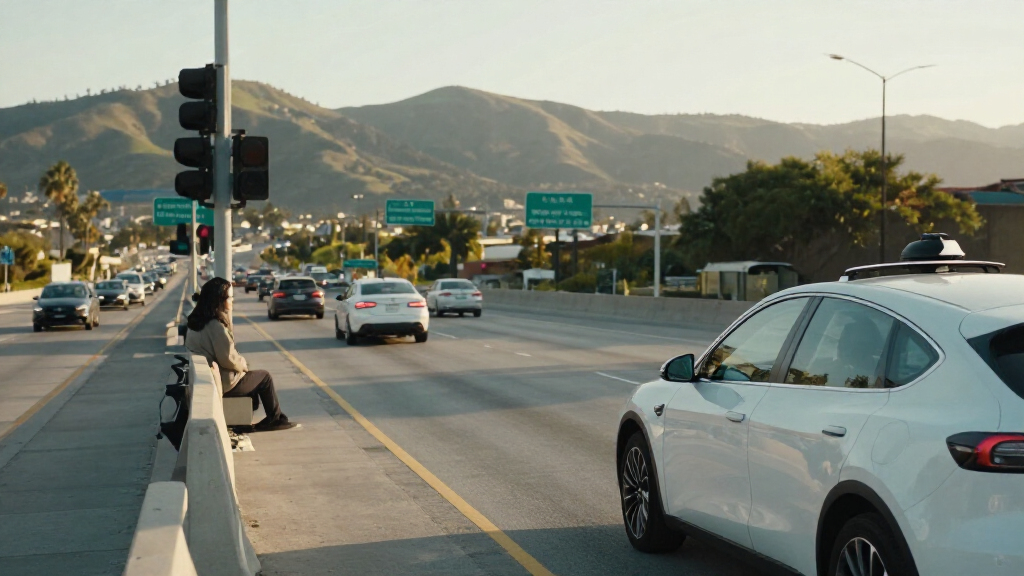
California suspended Waymo’s driverless freeway operations on Nov. 11 after several incidents involving roadwork and police-directed traffic, citing risks to construction workers and other drivers. The restriction does not stop the company’s regular service on city streets, but there is no announced date for driverless freeway rides to resume.

Get bike and ride gear delivered free with Prime
- Fast, free delivery on millions of items
- Prime Video, Amazon Music and more included
- Member-only deals all year
The incidents that preceded the order happened on consecutive days. On Nov. 5, three Waymo vehicles entered an active construction zone on Highway 101 near Burlingame while crews were working. Waymo said there were no injuries and no collisions. The California Department of Motor Vehicles said the incidents raised safety concerns for road workers and other motorists.
The next day, a Waymo vehicle attempted to pass California Highway Patrol cars conducting a traffic break on Interstate 280. Officers use these slowdowns to control traffic, often ahead of a hazard or roadwork. Vehicles are expected to remain behind patrol cars until officers allow traffic to proceed. The incidents renewed concerns after similar problems in May led to a temporary suspension and software changes.
The DMV’s action applies to driverless freeway operations, not Waymo’s regular street service. Some trips may take longer if they cannot use freeways. Waymo has also voluntarily paused commercial freeway rides in other states while it examines what happened. The company says it is working with state officials and plans to continue freeway testing with trained specialists behind the wheel.
California pauses driverless freeway rides pending a safety review
The state suspended Waymo’s driverless freeway operations after incidents involving construction and police-directed traffic. City-street rides remain available.
What happened
The incidents occurred on consecutive days and involved situations where ordinary traffic flow had changed.
Three Waymo vehicles entered an active work zone near Burlingame. Waymo said there were no injuries or collisions.
A Waymo vehicle attempted to pass CHP cars slowing traffic. Vehicles are expected to wait behind patrol cars.
What the restriction changes
The order is limited to driverless freeway operations.
- Regular rides on city streets
- Freeway testing with trained specialists behind the wheel
- Driverless commercial freeway rides in California
- Commercial freeway rides in other states while Waymo investigates
Why routes may take longer
Freeways can speed up longer trips, so routes that cannot use them may take more time. The effect depends on the journey.
Street rides continue
Passengers can still book regular Waymo service on city streets.
A safety test remains
Vehicles must handle road closures and police directions safely before freeway rides return.
What remains unresolved
The state has not announced a return date or specified what evidence it will require.
- Waymo is investigating the November incidents.
- The precise causes and any technical fault have not been detailed.
- The duration and conditions of pauses in other states are unclear.
Freeway Access Affects Ride Routes
Freeways can make longer trips faster, so the restriction may change routes and travel times for Waymo passengers even though its city-street service remains available. The effect depends on the route: trips that would have used a freeway may take longer, while journeys that can stay on surface streets may be less affected.
The order also puts a practical test at the center of the company’s expansion: whether its driverless vehicles can respond safely when traffic patterns are altered by construction, closures or police directions. These situations require vehicles to react to instructions that may override ordinary lane markings and traffic flow. The state’s decision makes approval to operate on freeways contingent on addressing those concerns.
Waymo’s wider voluntary pause means the impact is not confined to California, although the supplied information does not identify every affected state or describe how long those pauses will last. For riders, the immediate change is narrower than a full service shutdown: street rides remain available, but freeway routes are off limits to driverless commercial trips.
Popular right now

Dyson Car+Boat Cordless Handheld Vacuum

TCL 75-Inch Class 4-Series 4K UHD HDR Smart Google TV (75S446, 2022)

Apple AirPods Pro 3 Wireless Earbuds with Active Noise Cancellation
As an affiliate, we earn on qualifying purchases.
Earlier Incidents Prompted Scrutiny
The November events followed similar difficulties in May, when Waymo faced a temporary suspension and made software changes. The new incidents show that the earlier response did not end the state’s concerns about how its vehicles handle road closures and police activity. The available information does not specify what the May incidents involved or detail the software changes.
California had also approved stricter autonomous-vehicle rules in April. DMV Director Steve Gordon said the changes would bring “additional accountability for AV manufacturers.” That regulatory backdrop helps explain the state’s response: the DMV can require the company to address safety concerns before driverless freeway operations resume.
Construction zones can depart from ordinary road layouts, with lanes closed or traffic directed around active work. Traffic breaks present a different challenge: officers may slow or stop vehicles and require them to wait behind patrol cars. The cited incidents involved both types of disruption, but the available details do not explain the vehicles’ precise decision-making or identify a specific technical fault.
“additional accountability for AV manufacturers”
— California DMV Director Steve Gordon
Safety Findings Still Pending
The available information does not say how long the California restriction will remain in place or what specific evidence the DMV will require before allowing driverless freeway rides to return. The precise causes of the November incidents, including whether software changes or other factors contributed, have not been detailed. Waymo has said it is looking into what went wrong, but no findings are provided here.
It is also unclear how the company’s voluntary pause in other states will be handled, whether those states will set separate conditions, or how much the restrictions will affect rider travel times. The Nov. 5 construction-zone incidents resulted in no reported injuries or collisions, according to Waymo; the DMV’s stated concern is the potential risk to workers and other drivers.
DMV Review Sets Return Path
Waymo says it is working with California officials and will conduct freeway testing with trained specialists behind the wheel. Before driverless freeway rides can resume, the DMV wants the company to demonstrate that its vehicles can safely handle road closures and police activity. No review timetable or return date has been announced.
For now, passengers can continue booking Waymo rides on regular streets, though routes that would otherwise use a freeway may take longer. Further details about the state’s requirements, the company’s investigation and its pauses outside California have not been specified.
Source: rss
Key Questions
What did California ban Waymo from doing?
California suspended driverless Waymo operations on freeways. The order does not end the company’s regular service on city streets.
Why did the state act?
The DMV cited incidents involving vehicles entering an active Highway 101 construction zone and a vehicle attempting to pass Highway Patrol cars during an Interstate 280 traffic break. The department said the incidents raised risks for workers and other drivers.
Were there injuries or collisions in the construction-zone incident?
Waymo said the Nov. 5 incident involving three vehicles caused no injuries and no collisions.
Can passengers still use Waymo?
Yes. The restriction does not affect Waymo’s regular street service, although trips may take longer if they cannot use freeways.
When could driverless freeway rides resume?
No date has been announced. The DMV wants Waymo to show that its vehicles can safely respond to road closures and police activity before driverless freeway operations return.
Source: familyhandyman.com