TL;DR
Start with a properly fitted helmet, dependable lights, a strong frame lock, and a pump with flat-repair supplies. Then choose comfort, cargo, and range accessories for your routes, checking your e-bike’s mounting points and electrical system before you buy. Use only manufacturer-approved batteries and chargers.
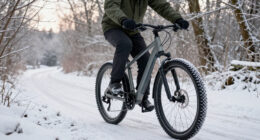
A sunny ride can turn into a dark, wet commute in one traffic light’s time. The right electric bike accessories help you see and be seen, carry your groceries, stay comfortable, and handle small problems without turning a short ride into a long walk.

Get bike and ride gear delivered free with Prime
- Fast, free delivery on millions of items
- Prime Video, Amazon Music and more included
- Member-only deals all year
You do not need to buy every shiny add-on at once. Start with safety, security, and basic repairs, then choose upgrades that match your usual routes. A city commuter and a weekend trail rider need different gear, and your bike’s frame and electrical system can rule out accessories that look universal.
This guide walks through what to buy first, how to compare useful options, and where compatibility matters most. You’ll also see why a sturdy lock can be more useful than a clever tracker, and why battery accessories deserve extra care.
Buy a suitable helmet, dependable lights, a strong frame lock, and flat-repair supplies before cosmetic upgrades.
Check local helmet and warning-device rules, and inspect your built-in lights before adding more.
Confirm your exact bike model, year, mounting points, and load limits before buying racks or child-carrying gear.
Use only manufacturer-approved batteries, chargers, and electrical accessories.
Pack tools that match your tires and practice a basic repair at home before you need one.
Buy these four accessories before your first long ride
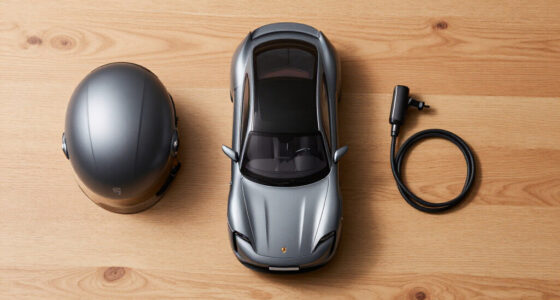
For most riders, the first e-bike accessories to buy are a well-fitted helmet, reliable lights, a strong lock, and a basic flat-repair kit. Each addresses a different point of failure: a helmet helps protect you if a crash happens, lights improve visibility, a lock reduces theft risk while parked, and repair supplies can get you moving again after a puncture. Buying in this order covers problems that could interrupt or seriously affect a ride before you spend on convenience upgrades.
Start with a certified helmet that fits snugly and suits your local rules and riding style. A helmet that shifts or sits incorrectly may not protect as intended, so fit matters as much as the label. E-bike classes and helmet laws vary by location; check the rules where you ride. Then assess your bike’s built-in lights in the conditions you actually face. If you ride home at dusk, a bright front light helps you see the road while a visible rear light helps others notice you. More lights are not automatically better if they are poorly aimed, difficult to charge, or redundant with a system you already have.
A valuable bike needs a quality lock secured through the frame to a fixed object. Lock choice is a tradeoff between resistance, weight, price, and how long the bike will be left unattended. A cable is light and convenient but may deter only a casual grab; a more robust lock is heavier to carry but can make theft harder. Some riders pair two different lock types because a thief prepared for one may not have the right tool for the other. For example, a commuter who leaves a bike outside a busy station might use a sturdy frame lock and a second lock for the front wheel.
Round out the kit with a pump or inflator, tire levers, and repair supplies that match your tires. A patch kit is compact, while a spare tube can be quicker when the tire or puncture makes patching impractical; the right choice depends on your tire setup and how much room you have. A rider who gets a flat three miles from home will be glad they packed supplies they know how to use. These purchases are not glamorous, but they can turn a long walk or recovery call into a manageable roadside fix.
Safety first: A helmet, lights, and a secure lock solve different problems. Carry the right tool for each one, and wear the helmet every ride.
Popular right now

Dyson V9 Motorbar Cordless Vacuum

Breville Bambino Espresso Machine, Brushed Stainless Steel

Ninja Double Oven Pro XL Countertop Oven and Air Fryer, 12-in-1, Onyx, DCT801BK
As an affiliate, we earn on qualifying purchases.
Match lights, mirrors, and reflective gear to your route
Lights, mirrors, bells, and reflective gear can make you more visible and aware, but the right mix depends on where and when you ride. A rider on a lit neighborhood street has different needs from someone crossing an unlit rural road after sunset. Visibility is a combination of being seen and having enough light to read the road ahead; a product that helps with one job may do little for the other. Check the bike’s built-in lights first, then fill the gaps you actually notice.
Some e-bike lights draw power from the main battery; others use their own rechargeable batteries. Integrated lights are convenient and avoid another charging routine, but they may limit your choice of replacements or upgrades and depend on the bike’s electrical system. A separate light gives you flexibility and can serve as a backup if the bike’s lights fail, though you must remember to charge it and remove it when parked. For a rainy evening commute, a rear light with a clear, visible beam and reflective details on your jacket can help drivers spot you through road spray. Position and condition matter too: a light obscured by a bag or mud cannot do its job.
A mirror can make it easier to check traffic behind you without repeatedly turning your head, but it gives a partial view and still requires you to judge distance and movement. A bell or other locally permitted warning device helps you alert people on shared paths. Neither replaces slowing down and leaving room when you pass. On a narrow park trail, a bell rung early gives a pedestrian time to move without a startling last-second shout; ringing at the last moment can create confusion rather than a safe opportunity to pass.
Use a helmet that meets the standards and requirements where you ride; the right choice can depend on your e-bike’s classification and local rules. Reflective clothing and tire details add visibility, especially at dusk, but their effectiveness depends on light reaching them. They do not make you invulnerable or substitute for working lights. Pair them with predictable riding and enough space to respond when others do not see you. The best electric bike accessories for visibility are the ones suited to the conditions you face and reliable enough to use every trip.
Pick comfort upgrades that solve a real riding problem
Comfort accessories are worth buying when they solve a specific problem, such as road spray, sore hands, or an awkward saddle fit. Fenders keep muddy water off your clothes, while gloves can make a long ride easier on your palms. A new saddle or suspension seatpost may help some riders, but fit and adjustment matter as much as the product itself. The benefit is not just a nicer ride: discomfort can distract you or make you avoid riding, while an unsuitable accessory can add cost and weight without fixing the cause.
Think about what happens on your usual trip. If a five-mile ride leaves a brown stripe up the back of your coat, fenders are a practical purchase because they address a predictable source of discomfort and cleanup. If your fingers go numb on a bumpy route, first check grip position and handlebar setup; better-positioned grips or padded gloves may help before you order an expensive seatpost. A seatpost can soften impacts, but it will not correct every fit issue and may have clearance or compatibility limits. Change one thing at a time, then ride the same route to see if it helped.
Rain gear and layered clothing can make an otherwise miserable commute manageable. A breathable rain jacket, waterproof bag cover, and gloves that still let you use the brakes help when the sky opens halfway home. There is a balance between keeping water out and avoiding overheating, especially when pedaling uphill. Product labels can be confusing: water-resistant and waterproof do not mean the same thing, so check the maker’s specifications and care instructions. A jacket that sheds light showers may be more comfortable for daily use, while a fully waterproof layer can be useful in persistent rain but may need careful ventilation.
Phone mounts can keep a map in view, but they add another distraction risk if you interact with the screen while moving. Set your route before riding and pull over before changing it. For instance, a commuter can mount a phone at a glance-friendly angle, then stop somewhere safe before rerouting. Comfort upgrades work best when they quietly remove a repeated annoyance; the tradeoff is worthwhile when the accessory makes riding easier without complicating control or attention.
Carry groceries without upsetting your bike’s balance
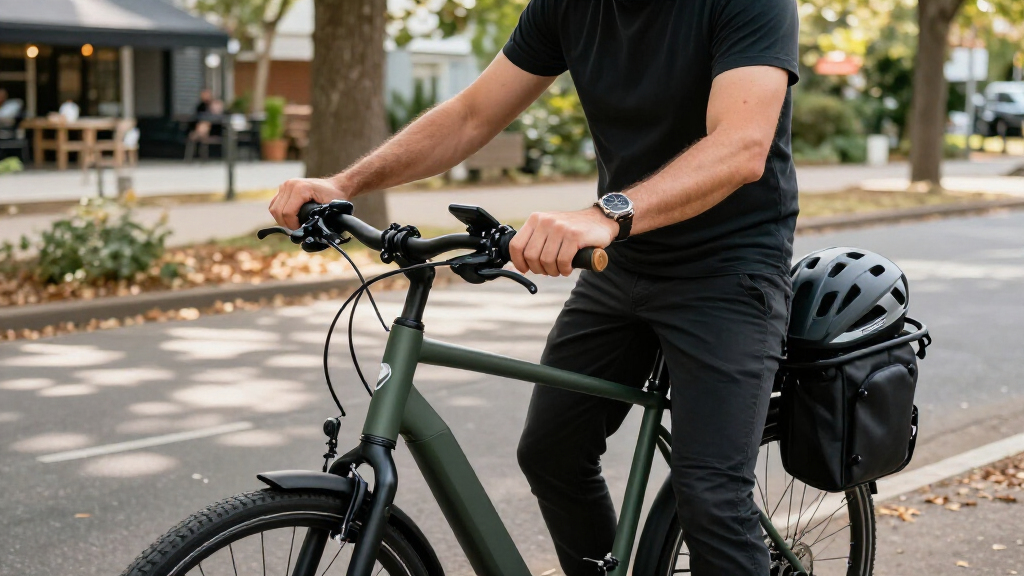
Racks, panniers, baskets, and cargo straps make an e-bike useful for shopping and commuting, but you need to check fit and weight limits before loading them. A bike can carry a substantial load and still handle poorly if that load is placed too high, too far back, or unevenly. The bike’s mounting points, brake clearance, rack capacity, and frame design all matter. A rack that fits a standard bicycle may not fit your e-bike’s frame or battery placement, and an unsupported fit can loosen or interfere with moving parts.
Before buying, look up your exact bike model and year, then check the maker’s approved accessories and the rack’s load rating. The rack limit is only one constraint: the bike also has a total system weight limit that includes rider, cargo, and accessories. If your bike has no compatible rack mounts, a seatpost rack or other alternative may have different limits and can place cargo differently. For example, a grocery run with two panniers can keep weight low and balanced; a heavy bag hanging off one handlebar can pull the bike sideways when you turn and make steering less predictable.
Keep cargo secured and clear of wheels, brakes, lights, and moving parts. Straps should not dangle near the rear wheel, and bulky bags should not block a rear light. Weight changes how quickly the bike accelerates and stops, and a high or shifting load can make slow turns harder. When you first carry a load, take a short test ride in a quiet place. Start, stop, and turn gently so you can feel the handling change before riding in traffic.
Child seats and trailers need even more care because the consequences of a poor fit or overload affect a passenger as well as the rider. Use a combination approved by both the bike and accessory makers, stay within stated weight limits, and check local rules and handling guidance. Not every e-bike is suitable for every child-carrying setup. If approval is unclear, ask the manufacturers before attaching a child seat or trailer; a compatible setup must also leave the rider able to control and stop the loaded bike safely.
| Accessory | Best for | Check before buying |
|---|---|---|
| Panniers | Commuting and groceries | Rack fit, load rating, wheel clearance |
| Front basket | Small, light items | Steering feel and mounting points |
| Child seat or trailer | Carrying a child | Manufacturer approval, load limits, local rules |
Treat batteries and chargers as model-specific equipment
Use only batteries, chargers, displays, and electrical accessories approved for your e-bike’s system. These parts must work with the bike’s voltage, connectors, battery management, and sometimes software; a similar-looking plug does not prove compatibility. The battery management system helps control charging and operation, so an electrical mismatch can affect more than whether the part connects. An unapproved replacement can bring safety, warranty, or performance problems.
That rule matters most when you want more range. A spare battery or range extender can help on a long touring day, but it needs to be designed for your bike. Before ordering, check the manufacturer’s compatibility list and instructions, including how the extra battery is mounted and connected. A rider planning a 40-mile country loop should confirm the approved battery setup before setting off, rather than hoping an online bargain will connect. A compatible spare also adds weight and cost, so compare that tradeoff with charging during the trip or choosing a shorter route.
Added weight, aerodynamic drag, tire choice, and electrical power use can affect range. The size of the effect depends on the accessory and conditions: a heavy cargo load climbing hills can change a ride more than a small tracker tucked under the saddle. A light or display drawing power may also matter, depending on how it is wired and the system’s consumption. Treat advertised range as a guide, then leave a margin for weather, hills, and the level of assistance you use. Planning around the most demanding part of your route helps avoid relying on the last advertised mile.
Follow the bike maker’s manual for charging and storage, including advice for wet or cold conditions. A compatible battery cover may help in some weather, but it must not block cooling or conflict with charging guidance. Keep electrical contacts clean as directed, and do not aim high-pressure water at them. If a battery, charger, or connection behaves unexpectedly, stop using it and contact the manufacturer or a qualified e-bike service provider. Guessing at an electrical fix can turn a small compatibility question into a safety problem.
Build a small kit for flats, theft, and everyday fixes
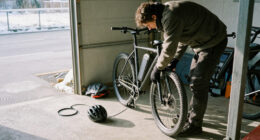
A compact repair and security kit can help you handle ordinary problems on the road, but every tool needs to suit your bike. Carry a pump or compatible inflator, tire levers, a spare tube or repair supplies, and a multitool with the sizes your bike uses. Some e-bike tires and wheels require specific tools or procedures, so check the owner’s manual before attempting a roadside repair. A kit that is too small may leave you stranded; one packed with tools you cannot use adds weight without much benefit.
For a quick commute, a small saddle bag can hold tire levers, a patch kit, and a multitool without rattling against the frame. On a longer ride, add a spare tube and a pump that can reach your tire’s pressure. A patch takes less space, while a tube can make a repair faster when conditions are poor or the puncture is difficult to locate. Practice a repair at home once; it is much easier to learn with clean hands and good light than beside a wet road with cars hissing past. That practice also shows whether you have the right tools for your particular wheels and tires.
Trackers and alarms can support theft recovery or discourage an opportunistic thief, but they do not replace a strong lock and secure parking. A tracker can help you locate a bike after it is stolen; it cannot prevent the theft, and recovery depends on its battery, connection, and the response to a location alert. Some connected trackers rely on subscriptions or network coverage, so check those details before paying. A tracker tucked discreetly into a frame can add a layer of recovery support, while a robust lock addresses the more immediate risk of the bike being taken.
Cleaning supplies help keep the bike in good shape, too. Follow the maker’s advice for the frame, battery, and electrical connections, and avoid directing high-pressure water at electrical components. Routine cleaning can make wear or damage easier to notice, but it does not replace maintenance of safety-critical parts. If a repair involves brakes, use a qualified bike mechanic; do not treat safety-critical work like an accessory installation. For an e-bike brake problem, a qualified bike mechanic is the right call.
Frequently Asked Questions
What electric bike accessories should I buy first?
Start with a properly fitted helmet, reliable lights if the built-in ones are not enough, a strong lock, and basic flat-repair supplies. Add fenders, bags, or comfort upgrades based on your routes.
Can I use any battery or charger with my e-bike?
No. Use only batteries and chargers approved for your bike’s electrical system. Check the exact model and manufacturer guidance before buying a replacement or range extender.
Will a regular bike rack fit my electric bike?
Maybe, but check the mounting points, frame and brake clearance, rack capacity, and bike maker’s approval. Some e-bikes need a model-specific rack, especially when the frame or battery layout limits space.
Which lock is best for an electric bike?
No lock guarantees security. Choose a robust lock suited to your parking location and secure the frame to a fixed object; some riders add a second lock or tracker for extra protection.
Do e-bike accessories reduce battery range?
Some can. Added weight, aerodynamic drag, tire choice, and accessories that draw electrical power may affect range, with the result depending on the item and riding conditions.
Can I attach a child seat or trailer to any e-bike?
No. The bike and accessory makers must approve the combination, and you must stay within stated load limits. Check local rules and handling guidance before carrying a child.
Conclusion
Start with the gear that protects you, helps others see you, secures your bike, and gets you home after a flat. Then add comfort or cargo accessories that solve a problem you meet on your actual route. Check the bike manual and maker’s compatibility guidance before buying anything that carries weight or connects to the electrical system.
A well-chosen setup should fade into the ride: lights glowing in the rain, groceries steady behind you, and the right tool waiting when a tire goes soft. Buy for the ride you take, and your bike will be ready when the weather turns.