TL;DR
Listen free for 30 days with Audible
Thousands of audiobooks and originals — cancel anytime.
Start your free trialAs an affiliate, we earn on qualifying purchases.
Croatia has launched Europe’s first fully driverless robotaxi service. The service is operational in select areas, representing a significant step in autonomous mobility. Details about the deployment and future plans are still emerging.
Croatia has officially launched Europe’s first fully driverless robotaxi service, with autonomous vehicles now operating without safety drivers in select locations. This development marks a significant milestone in autonomous vehicle deployment across the continent, with implications for mobility, regulation, and technology adoption.
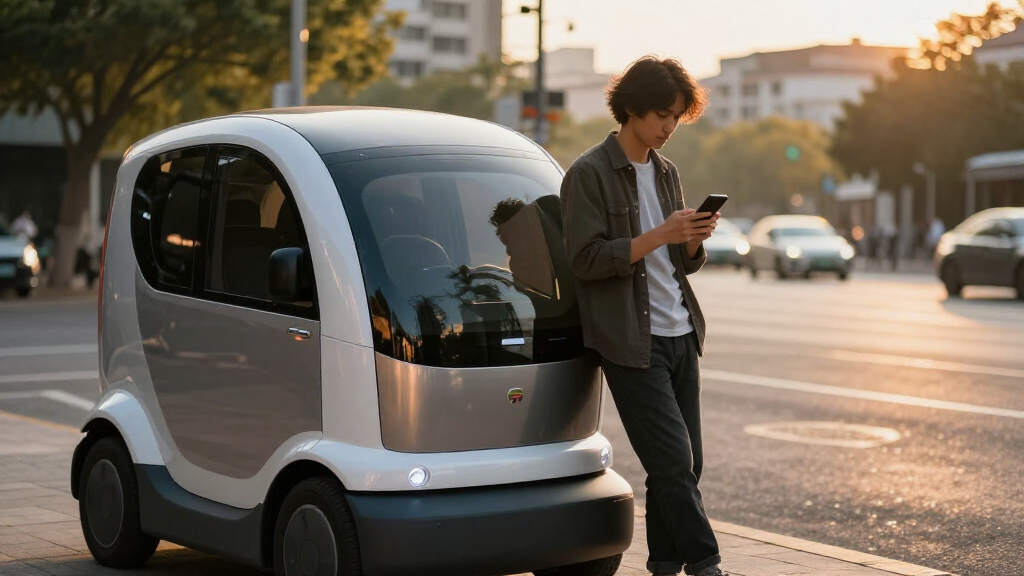
The robotaxi fleet, operated by a local mobility company, is currently running in designated urban areas within Croatia, with no human safety drivers onboard. The vehicles are equipped with advanced sensors, cameras, and AI systems designed to navigate complex city environments autonomously. This marks a departure from earlier pilot programs that typically included safety drivers or remote operators.
According to the company behind the service, the deployment is part of a broader effort to test autonomous mobility solutions in real-world conditions and to explore the potential for scaling such services across Europe. The vehicles are accessible via a dedicated app, allowing users to summon rides in the service zones. The Croatian government has supported this initiative, citing it as a step toward innovative urban mobility.
Implications of Europe’s First Fully Driverless Robotaxi Launch
This deployment represents a major breakthrough in autonomous vehicle technology and regulation within Europe. It demonstrates the feasibility of operating fully driverless vehicles in urban environments without human oversight, potentially paving the way for wider adoption across the continent. For consumers, it could mean increased mobility options, especially in areas underserved by traditional transit. For policymakers and regulators, the launch offers real-world data on safety, infrastructure needs, and legal frameworks for autonomous vehicles.
Moreover, this milestone could accelerate the development and acceptance of autonomous mobility, influencing industry standards and prompting other European cities to consider similar deployments. However, it also raises questions about safety, liability, and long-term viability that remain to be addressed as the service expands.
As an affiliate, we earn on qualifying purchases.
Background and Progress Toward Fully Autonomous Services in Europe
Autonomous vehicle development has been progressing globally, with several pilot programs across North America, Asia, and Europe. Early efforts typically involved vehicles with safety drivers or remote operators to ensure safety during testing phases. In Europe, regulatory frameworks have been gradually evolving to accommodate driverless operations, but widespread deployment has been limited.
Recent years have seen increased interest in autonomous mobility solutions, driven by advancements in AI, sensor technology, and urban transportation needs. Croatia’s recent launch is notable because it is the first time a fully driverless robotaxi service has operated without safety drivers in a European country, although similar trials exist elsewhere with varying degrees of autonomy.
Industry experts have long viewed Europe as a cautious but promising market for autonomous vehicles, with regulatory hurdles and public acceptance being key factors. The Croatian service is seen as a potential model for future deployments, contingent on safety and regulatory approval.
As an affiliate, we earn on qualifying purchases.
Unanswered Questions About Safety and Regulation
It is not yet clear how the service will perform over the longer term, including safety metrics, accident rates, and public acceptance. Details about the regulatory approval process and potential legal liabilities are still emerging. Additionally, the scope of the service, including coverage areas and operational hours, has not been fully disclosed. The broader impact on employment and urban planning remains uncertain as well.
As an affiliate, we earn on qualifying purchases.
Future Expansion and Regulatory Developments Expected
The company plans to monitor the service closely, collecting data to refine the autonomous systems and address safety concerns. There are indications that the service could expand to additional areas within Croatia and potentially other European countries, subject to regulatory approval. Industry analysts expect ongoing discussions between regulators, industry players, and local governments to establish standards and legal frameworks for wider deployment of driverless vehicles.
Further testing, public engagement, and infrastructure development will likely accompany this growth, shaping the future landscape of autonomous urban mobility in Europe.
As an affiliate, we earn on qualifying purchases.
Key Questions
What areas are covered by the driverless robotaxi service in Croatia?
The service is currently operating in designated urban zones within Croatia, but specific coverage areas have not been publicly detailed.
Are safety drivers present in the vehicles?
No, the vehicles are operating fully autonomously without safety drivers onboard, marking a first for Europe.
What technology enables these vehicles to operate autonomously?
The vehicles are equipped with advanced sensors, cameras, and AI systems designed to navigate complex city environments independently.
What are the regulatory challenges faced by this deployment?
While Croatia has approved this pilot, broader regulatory approval across Europe remains in development, with safety, liability, and legal frameworks still evolving.
Will this service be available to all users in Croatia?
Access is currently limited to users within the designated service zones via a mobile app, and expansion plans are yet to be announced.
Source: rss
NFL season / tailgating Picks
team gear
As an affiliate, we earn on qualifying purchases.