
TL;DR
Get ready for Prime Big Deal Days — try Prime free
Exclusive member deals on October 6–7, plus fast free delivery. Cancel anytime.
Start your free trialAs an affiliate, we earn on qualifying purchases.
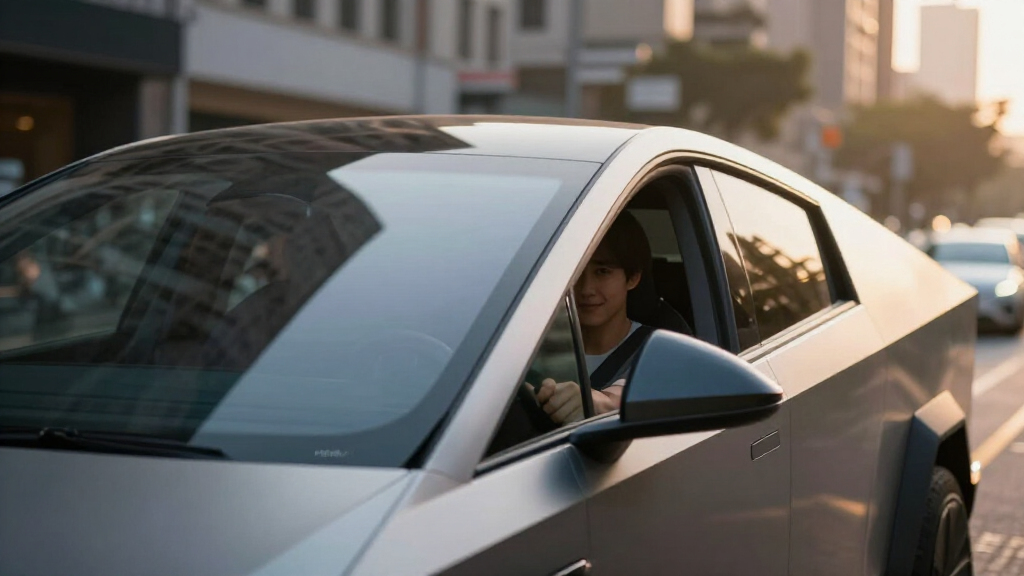
Tesla announced that its Cybercab electric vehicle is street legal. Regulators are now questioning how the vehicle complies with existing safety and roadworthiness standards. The development raises questions about regulatory processes for new EV models.
Tesla has publicly claimed that its upcoming electric vehicle, the Cybercab, is street legal, a statement that has prompted regulatory agencies to investigate how the vehicle meets existing safety and compliance standards. This marks a significant development as regulators seek clarity on the legal status of new EV models that push traditional boundaries.
According to Tesla, the Cybercab has been designated as street legal, allowing it to operate on public roads. The company did not specify the regulatory approvals or certifications that support this claim but emphasized that the vehicle complies with all applicable laws. The statement was made amid rising public and media interest in Tesla’s new vehicle, which is designed to serve as an autonomous, ride-hailing service.
Regulatory agencies, including the National Highway Traffic Safety Administration (NHTSA), have confirmed they are reviewing Tesla’s claim. NHTSA spokespersons stated that they are examining the vehicle’s safety certifications and testing data to determine whether it meets federal standards. It is not yet clear whether the Cybercab has undergone formal approval processes or if Tesla is relying on existing exemptions or interpretations.
Industry analysts note that the Cybercab’s claim to street legality could set a precedent for how emerging EVs, especially those with autonomous features, are regulated in the future. The vehicle’s design, which emphasizes autonomous operation and ride-sharing capabilities, may challenge current regulatory frameworks designed for traditional vehicles.
Legal and Regulatory Implications of Tesla’s Claim
This development is significant because it could influence how autonomous and electric vehicles are regulated nationwide. If Tesla’s claim is validated, it may accelerate the adoption of similar vehicles and prompt revisions to existing safety standards. Conversely, if regulators determine the vehicle does not currently meet legal requirements, it could lead to delays or restrictions on its deployment.
The situation underscores the evolving landscape of vehicle regulation, where manufacturers are pushing technological boundaries faster than regulatory frameworks can adapt. The outcome may impact industry standards, consumer safety protocols, and future vehicle approvals.
As an affiliate, we earn on qualifying purchases.
Background on Tesla’s Autonomous Vehicle Approvals
Tesla has been a leading figure in autonomous vehicle development, with its Autopilot and Full Self-Driving (FSD) features under ongoing regulatory review. Historically, Tesla has faced scrutiny over the safety and legality of its autonomous claims, with regulators demanding more rigorous testing and certification. The company’s recent announcement about the Cybercab’s street legality marks a new chapter, as it introduces a vehicle designed explicitly for autonomous ride-hailing, potentially bypassing some traditional approval steps.
Previous Tesla vehicles have been sold with limited regulatory approval, often relying on existing vehicle classifications and exemptions. The Cybercab, however, appears to be positioned as a purpose-built autonomous service vehicle, which raises questions about how it fits within current legal frameworks and whether new standards will be needed.
As an affiliate, we earn on qualifying purchases.
Uncertainties Over Regulatory Certification and Standards
It remains unclear whether the Cybercab has undergone formal certification processes or if Tesla is relying on existing vehicle classifications and exemptions. The specifics of how the vehicle meets safety standards, especially for autonomous operation, are not yet publicly available. Regulatory agencies have not issued a definitive ruling, and the outcome of their review is still pending.
Questions also remain about whether the vehicle’s design conforms to all local and federal laws, and whether Tesla’s claim will be upheld or challenged in legal or regulatory settings.
As an affiliate, we earn on qualifying purchases.
Next Steps in Regulatory Review and Vehicle Deployment
Regulators are expected to complete their review within the coming weeks, potentially issuing guidelines or requiring additional testing or modifications. Tesla may need to submit detailed safety data or seek formal approval before the Cybercab can be widely operated on public roads. The company has not yet announced plans for commercial deployment pending regulatory clearance.
Observers anticipate that this review could influence future policies for autonomous EVs, possibly prompting new standards or legal frameworks to accommodate innovative vehicle designs like the Cybercab.
Tesla autonomous car safety certification
As an affiliate, we earn on qualifying purchases.
As an affiliate, we earn on qualifying purchases.
Key Questions
What does it mean that Tesla claims the Cybercab is street legal?
It means Tesla asserts the vehicle complies with existing laws and regulations that allow it to operate on public roads. However, regulatory agencies are still reviewing this claim to verify its accuracy.
Has the Cybercab been officially approved by regulators?
No, regulators are currently reviewing Tesla’s claim and have not yet issued formal approval or certification for the vehicle’s operation.
Why is this development important for the auto industry?
This could set a precedent for how autonomous and electric vehicles are regulated, potentially accelerating deployment or prompting new standards for future models.
Could this impact Tesla’s future vehicle launches?
Yes, if the Cybercab’s street legality is confirmed, it may pave the way for faster approval processes for similar autonomous EVs, influencing regulatory approaches industry-wide.
What are the main uncertainties right now?
It is unclear whether the vehicle has completed formal certification, how it fully complies with safety standards, and what the final regulatory decision will be.
Source: rss
Fall Picks
fall essentials
As an affiliate, we earn on qualifying purchases.