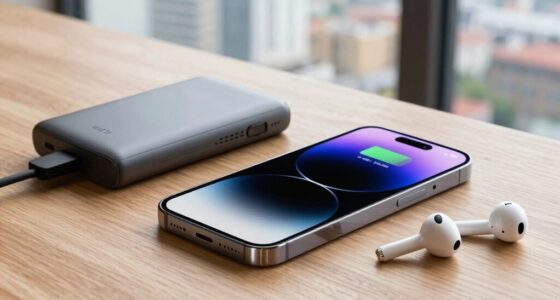
To keep your small space safe, develop good charging habits like unplugging devices when not in use and organizing cords with clips or Velcro straps to prevent tangling. Assign a designated spot for your charger and store accessories neatly. Regularly check for damaged cords or overheating to catch issues early. Managing your setup this way reduces fire risks, clutter, and damage. Keep building these habits to create a safer, tidier space—you’ll find helpful tips you’ll want to follow.

Get bike and ride gear delivered free — and shop member deals
- Fast, free delivery on millions of items
- Access to Prime Big Deal Days deals on October 6–7
- Prime Video, Amazon Music and more included
Key Takeaways
- Designate a specific, organized spot for the charging station to prevent clutter and accidents.
- Regularly inspect cords and devices for damage or overheating to ensure safety.
- Unplug devices when not in use to reduce electrical hazards and save energy.
- Use cable management tools like clips or Velcro straps to prevent tangling and tripping hazards.
- Incorporate wireless charging to minimize cord clutter and simplify space management.
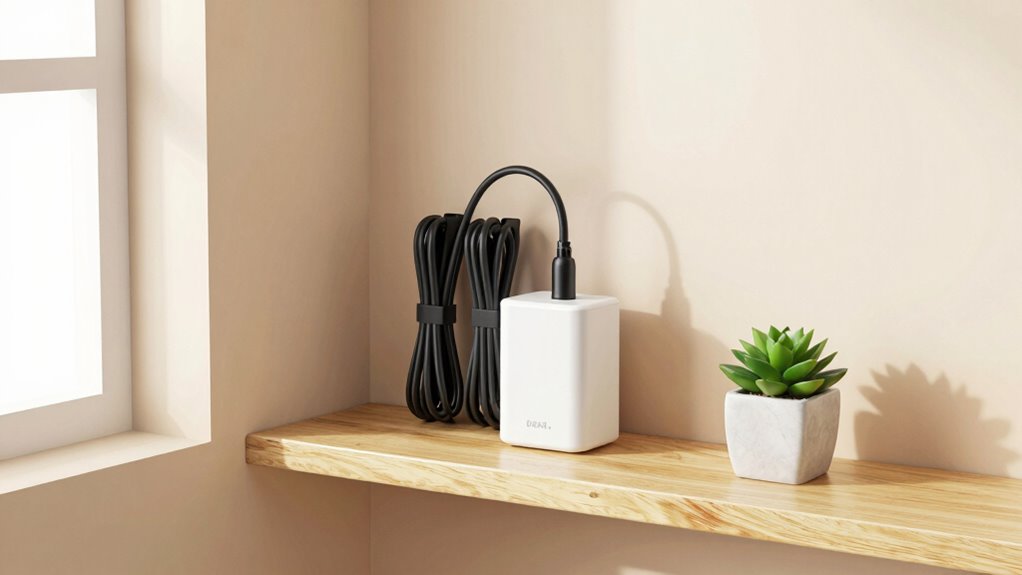
Creating an efficient charging station in a small space can seem challenging, but with the right habits, it becomes manageable and even enjoyable. The key is to develop routines that maximize organization and safety, especially when it comes to handling multiple devices. One of the most effective habits is incorporating wireless charging whenever possible. Wireless charging pads reduce clutter by eliminating the need for multiple cords, making your space look cleaner and more streamlined. Plus, they minimize the risk of accidental disconnections, which can be frustrating and potentially hazardous if your devices fall or get damaged.
However, even with wireless charging, cord management remains essential. You should regularly check your cables for wear and tear, replacing any frayed or damaged cords immediately. Using cable clips or Velcro straps helps keep cords tidy and prevents them from tangling or creating tripping hazards. When cords are well-organized, you reduce the chance of accidental unplugging, which can lead to device damage or electrical issues. Keeping cords directed away from high-traffic areas and secure along edges or under furniture to maintain a neat appearance and avoid accidents. Incorporating cable management techniques can further enhance safety and organization. Implementing these practices also helps in prolonging the lifespan of your cords and devices by preventing unnecessary stress on the cables.
Another habit that keeps your small space safer is unplugging devices when they’re not in use. Many devices draw power even when turned off, a phenomenon known as phantom energy. Not only does this waste electricity, but it can also increase the risk of electrical overloads or short circuits. Establish a routine of unplugging chargers and electronics after you’re done using them, especially if you’re not planning to use the device for a while. This simple step reduces clutter and minimizes fire hazards. Energy conservation is an important aspect of sustainable living and contributes to reducing your overall environmental impact. Additionally, being mindful of electrical safety practices helps prevent accidents and prolongs the lifespan of your devices. Developing a habit of regularly reviewing your electrical setup can also help you stay aware of potential hazards before they become serious issues.
Designate a specific spot within your small space for your charging station. Keep all your charging accessories—like cables, adapters, and wireless chargers—in one container or drawer. This habit prevents clutter from spreading and makes it easier to find what you need quickly. When you consistently put away chargers and accessories after use, you avoid accidental damage and keep the area safer and more organized. Regularly inspecting your setup also allows you to identify potential hazards early, ensuring ongoing safety. Making use of storage solutions can further streamline your charging area and keep everything in its proper place.
Finally, make a habit of inspecting your charging setup regularly. Look for signs of overheating or damaged components, and address issues promptly. By staying proactive, you prevent potential safety hazards, protect your devices, and keep your small space tidy. Developing these habits—embracing wireless charging, managing cords carefully, unplugging unused devices, organizing accessories, and routine inspections—ensures your charging station remains safe, efficient, and clutter-free. Consistent maintenance not only enhances safety but also helps you extend the longevity of your gadgets and accessories.
As an affiliate, we earn on qualifying purchases.
Frequently Asked Questions
What Are the Best Safety Tips for Children Around Charging Stations?
You should childproof outlets and keep cords organized to guarantee safety around charging stations. Use outlet covers or safety plugs to prevent children from inserting objects or tampering with outlets. Implement cord management by securing cables out of reach and avoiding loose cords that can be tripped over or pulled, which could cause injury or damage. Regularly supervise children near charging areas and teach them about electrical safety to foster safe habits.
How Often Should I Inspect My Charging Station for Hazards?
You should inspect your charging station weekly to catch potential hazards early. Regular charging station maintenance is essential to prevent electrical hazards, like frayed cords or loose connections. Keep an eye out for signs of wear or damage that could spark a fire or cause shocks. Staying vigilant guarantees your space remains safe, preventing accidents before they happen. Don’t wait—consistent inspections are your best defense against hidden dangers.
Can Using Multiple Devices Increase Fire Risk?
Using multiple devices can increase fire risk if you’re not careful. Electrical overloads happen when too many devices draw power from a single outlet or power strip. To stay safe, practice power strip safety by avoiding overloading it and regularly inspecting it for damage. Limit the number of devices connected at once, and unplug unused devices to prevent overheating and reduce the risk of electrical fires in your small space.
Are There Specific Certifications to Look for in Charging Equipment?
Sure, when shopping for charging equipment, look for certifications like UL, ETL, or CSA—because nothing says “trust me” like official safety compliance stamps. These certification standards guarantee your devices meet rigorous safety guidelines, reducing fire risks and electrical mishaps. Don’t gamble with uncertified gear; instead, choose those with recognized safety compliance. It’s a small step for safety, but a giant leap in protecting your cozy space.
How Do I Prevent Overloading Electrical Outlets in Small Spaces?
To prevent outlet overloads, avoid plugging too many devices into a single outlet or power strip. Instead, distribute the load across multiple outlets. Use power strips with built-in safety features, like overload protection, to enhance safety. Regularly check cords and outlets for signs of wear or overheating. Keep chargers and devices organized to minimize clutter, reducing the risk of accidental disconnections or overloads, ensuring your small space stays safe.
As an affiliate, we earn on qualifying purchases.
Conclusion
By adopting safe charging habits, you turn your small space into a fortress against hazards. Keep cords tidy, avoid overloading outlets, and unplug devices when not in use—these simple steps are your shield against accidents. Think of your charging station as the heartbeat of your safe haven; when you nurture it with care, it keeps your home alive and secure. Stay vigilant, and let safety be your guiding star in every charge.
As an affiliate, we earn on qualifying purchases.
As an affiliate, we earn on qualifying purchases.
Fall Picks
fall essentials
As an affiliate, we earn on qualifying purchases.