
During summer, neglecting proper battery maintenance speeds up wear and shortens its lifespan. Parking in direct sunlight or hot environments causes excessive heat exposure, leading to electrolyte evaporation and internal damage. Ignoring terminal corrosion and loose connections can cause electrical issues and generate more heat, risking early failure. Failing to monitor your battery’s health or protect it from heat accelerates degradation. If you want to avoid these common mistakes and keep your battery lasting longer, there’s more to discover below.

Get bike and ride gear delivered free — and shop member deals
- Fast, free delivery on millions of items
- Access to Prime Big Deal Days deals on October 6–7
- Prime Video, Amazon Music and more included
Key Takeaways
- Neglecting terminal cleaning and loose connections increases resistance and heat, accelerating battery degradation.
- Parking in direct sunlight or hot environments exposes the battery to excessive heat, shortening lifespan.
- Failing to perform regular maintenance and inspections allows corrosion and leaks to go unnoticed, causing internal damage.
- Ignoring signs of heat stress, like dimming headlights or difficulty starting, delays necessary repairs.
- Using unshaded or unventilated parking spots intensifies heat exposure, speeding up electrolyte evaporation and internal wear.
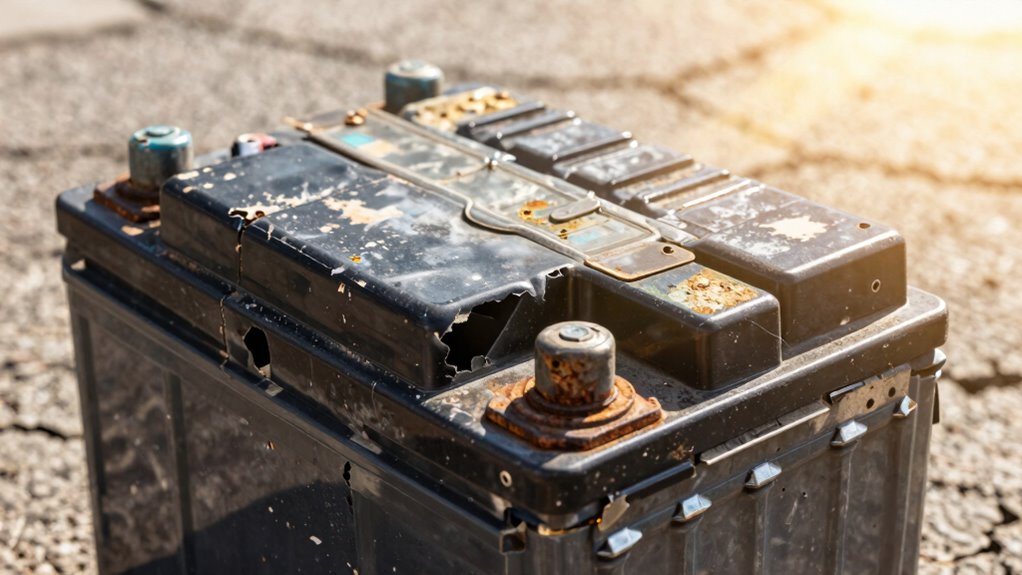
Have you ever wondered if you’re making common mistakes with your summer heat battery? Many people overlook how the rising temperatures can impact their vehicle’s battery life, but heat effects are real and significant. Proper battery maintenance during hot weather is essential to prevent premature failures. When temperatures soar, your battery’s internal components, like the plates and electrolyte, are under increased stress. This stress accelerates the chemical reactions inside the battery, which can lead to quicker degradation. If you ignore basic maintenance, such as checking the terminals for corrosion or ensuring the battery is securely mounted, you risk shortening its lifespan even more during summer months.
Heat effects on batteries are often underestimated. Excessive heat can cause the electrolyte inside the battery to evaporate faster, leaving lead plates exposed and increasing the chance of internal damage. When this happens, your battery becomes less efficient at holding a charge and is more prone to failure. You might notice your car struggling to start or experience dimming headlights, signs that your battery is under duress from the heat. Regularly inspecting the battery for leaks or corrosion can help you catch issues early, but neglecting these signs can lead to complete failure when you least expect it. Additionally, understanding the heat-related chemical reactions happening inside your battery can help you better appreciate the importance of proper maintenance. Recognizing how thermal stress impacts battery performance allows you to implement preventative measures more effectively. Being aware of these factors can also help you identify early warning signs before a breakdown occurs.
Another mistake is ignoring the importance of clean terminals and secure connections. Dirt, grime, and corrosion act as insulators, preventing proper electrical flow. During hot weather, these issues can worsen, causing your battery to work harder and generate more heat, further damaging it. Ensuring the terminals are clean and tight helps maintain ideal performance. Additionally, parking in direct sunlight or leaving the car in hot environments for extended periods increases heat exposure. If you can, park in shaded areas or use sunshades to reduce the heat impact on your battery. Recognizing the heat effects on batteries can help you take proactive steps to protect your vehicle. Furthermore, understanding the impact of temperature fluctuations on battery chemistry can guide you in adopting more effective maintenance routines to prolong battery life.
Finally, many forget that extreme heat can also affect the overall health of your vehicle’s electrical system. Over time, the combination of heat effects and poor battery maintenance leads to reduced battery capacity and lifespan. To avoid this, consider having your battery tested regularly, especially before summer hits its peak. If your battery is showing signs of age, replacing it before the heat waves arrive can save you from unexpected breakdowns. Staying proactive with battery maintenance and understanding heat effects are key to preserving your battery’s health and avoiding costly replacements. Proper battery care during summer months is essential to extend its life and ensure your vehicle remains reliable.
As an affiliate, we earn on qualifying purchases.
Frequently Asked Questions
How Often Should I Check My Battery During Summer?
You should check your battery at least once a month during summer to guarantee proper battery maintenance and prevent issues caused by heat. Summer precautions, like inspecting for corrosion, tight connections, and fluid levels, help extend your battery’s lifespan. Regular checks allow you to catch problems early, especially during hot weather when batteries are more vulnerable. Stay proactive with your maintenance to avoid unexpected failures during the hottest months.
Can Using the Wrong Charger Damage My Battery in Heat?
Choosing the wrong charger can cause costly consequences, especially in heat. When your charger isn’t compatible or lacks heat resistance, it can overcharge or undercharge your battery, leading to damage or diminished lifespan. Always select a charger that matches your device’s specifications and offers heat resistance. Proper charger compatibility prevents overheating and prolongs your battery’s performance, even during sizzling summer days. Stay safe and make sure your charger’s quality matches your device’s needs.
Is It Safe to Store Batteries in the Car During Summer?
Storing batteries in your car during summer isn’t safe, especially without proper precautions. The heat can cause batteries to overheat and degrade quickly. To protect your battery, make certain it’s well-insulated with proper battery insulation to prevent extreme temperature exposure. Also, maintain good summer ventilation in your car to keep temperatures down. Avoid leaving batteries in direct sunlight or in a closed trunk, as high heat accelerates damage and shortens lifespan.
Do Specific Battery Brands Handle Heat Better?
Think of your battery as a brave knight facing summer’s fiery dragon. Some brands, like Optima or Odyssey, wield armor with better heat resistance, making them more durable in scorching heat. Their superior Brand durability and heat resistance help prevent quick deterioration, ensuring your vehicle starts smoothly even in extreme temperatures. Choose these brands for a longer-lasting battery, and let your car’s power stand strong against the summer heat’s fiery challenge.
What Signs Indicate My Battery Is Overheating?
If your battery is overheating, you’ll notice rapid draining, swelling, or a hissing sound. You might also see excessive heat during use or feel warmth when touching it. To prevent damage, make certain proper battery cooling and consider switching to heat resistant batteries designed for high temperatures. Ignoring these signs can shorten your battery’s lifespan, so act quickly by cooling your device and avoiding prolonged exposure to heat.
summer car battery maintenance kit
As an affiliate, we earn on qualifying purchases.
As an affiliate, we earn on qualifying purchases.
Conclusion
As summer’s relentless sun beats down, remember that your battery is like a delicate flower—requiring care, shade, and patience. Avoid rushing, neglect, or exposing it to extreme heat, for these are the storms that threaten its life. Treat your battery with kindness, nurture it in the cool, and it will bloom longer, thriving through seasons. In this dance with heat, your mindful touch keeps the blossom alive, ensuring a longer, healthier journey ahead.
As an affiliate, we earn on qualifying purchases.
car battery corrosion repair kit
As an affiliate, we earn on qualifying purchases.
As an affiliate, we earn on qualifying purchases.
Fall Picks
fall essentials
As an affiliate, we earn on qualifying purchases.