TL;DR

Get bike and ride gear delivered free with Prime
- Fast, free delivery on millions of items
- Prime Video, Amazon Music and more included
- Member-only deals all year
Electric bike backpacks blend convenience, safety, and technology. They feature integrated batteries, weather-resistant design, and smart features, making them essential for modern riders. Choosing the right one depends on comfort, capacity, and safety needs.
Imagine cruising down your favorite trail or weaving through city streets, with your gear perfectly snug and your devices charging on the go. Electric bike backpacks aren’t just a convenience—they’re transforming how riders stay powered, organized, and visible. They’re smart, durable, and packed with features that make every ride smoother.
Whether you’re a commuter or an adventure seeker, understanding what makes a good electric bike backpack can save you from frustration and gear mishaps. This guide walks through the key features, recent innovations, and practical tips to pick the perfect one for your ride.
Prioritize comfort and fit—your backpack should feel like a natural extension of you.
Battery capacity and safety features vary; choose a model aligned with your riding distance and climate.
Weather resistance isn’t just a bonus—it’s essential if you ride in unpredictable conditions.
Smart features like GPS or anti-theft alarms add peace of mind but check compatibility with your device ecosystem.
Budget wisely: investing in a high-quality backpack can dramatically improve your ride experience.
What makes a great electric bike backpack? Expect comfort, safety, and tech in one package
Electric bike backpacks excel when they balance ergonomic design with smart features. Think padded straps that mold to your shoulders after hours in the saddle and a streamlined shape that slices through wind, reducing drag and fatigue. The importance of ergonomic design extends beyond comfort—it directly impacts your riding efficiency and safety. A poorly designed bag can shift unexpectedly, throw off your balance, or cause discomfort over long rides, leading to fatigue or distraction.
Battery integration is a game-changer. Some models feature built-in lithium-ion batteries that let you charge your phone or power small accessories, which is crucial during long rides or outdoor adventures where power sources are scarce. Others have removable batteries for quick swaps, offering flexibility but also introducing tradeoffs: removable batteries may be less integrated and potentially less weatherproof. Durable, weatherproof fabrics protect your gear from rain and splashes—crucial when sudden showers hit or you’re splashing through puddles. But keep in mind, increased waterproofing can sometimes add weight or reduce breathability, so balancing protection with comfort is key.
Additional features include USB ports for quick device charging, reflective elements for visibility at night, and impact-resistant compartments for electronics. These features are not just conveniences—they can be lifesavers by ensuring your devices stay powered and you remain visible in low-light conditions. Think of it as a portable command center attached to your back, designed to keep your essentials safe, accessible, and ready for any situation.
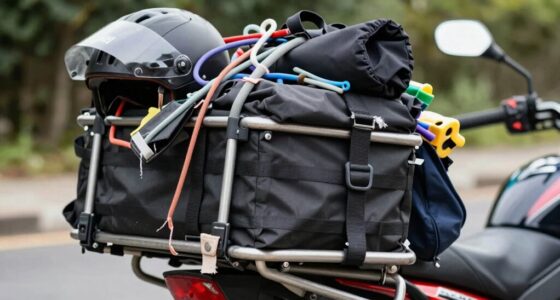
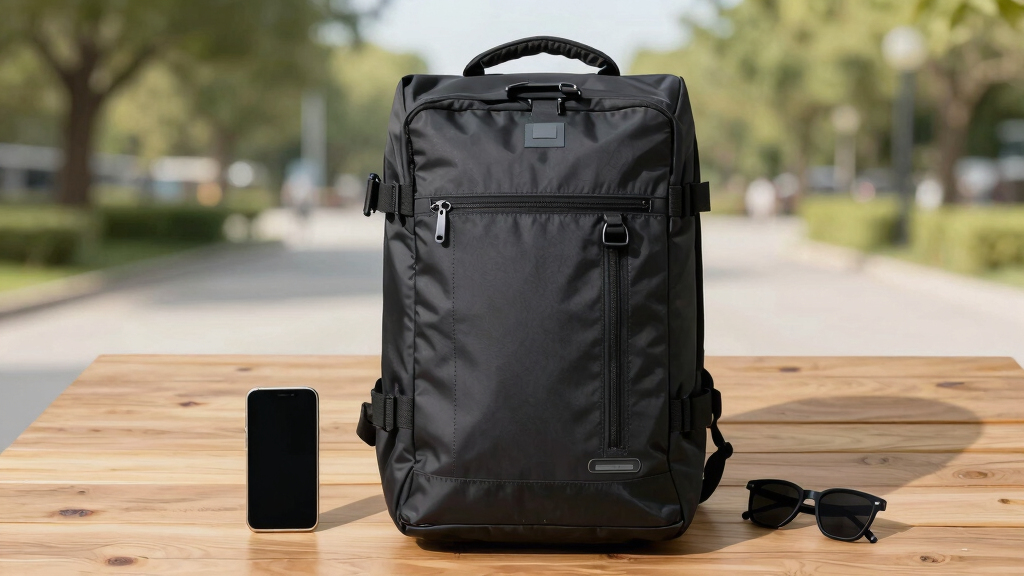
electric bike backpack with integrated battery
As an affiliate, we earn on qualifying purchases.
As an affiliate, we earn on qualifying purchases.
Latest tech trends that are changing electric bike backpacks right now
Smart integration is skyrocketing. Recent models include IoT features like GPS tracking and anti-theft alarms. These innovations are more than just bells and whistles—they address real rider concerns about security and peace of mind. For example, GPS tracking allows you to locate your backpack if misplaced, or recover it if stolen—crucial in urban environments or crowded events. Anti-theft alarms can deter opportunistic thefts, especially when you leave your pack unattended briefly. The tradeoff often involves increased complexity and potential battery drain, so choosing models with reliable, energy-efficient tech is essential.
Battery tech has also jumped ahead. Some backpacks now boast longer-lasting, faster-charging batteries with capacities that support several hours of riding or multiple device charges. This means fewer stops for recharging and more reliable power during extended outings. Modular designs let you swap out compartments or add accessories, tailoring your pack for a commute or a weekend trip. However, modularity can introduce points of failure or added weight, so balance your need for customization with durability and weight considerations.
Eco-friendly fabrics are gaining ground, with brands prioritizing sustainable materials and eco-conscious manufacturing. These innovations mean your pack is smarter, safer, and kinder to the planet—aligning with rider values and reducing environmental impact. But, eco-friendly materials might sometimes come at a higher cost or have different durability profiles, so understanding the tradeoffs helps in making an informed choice.
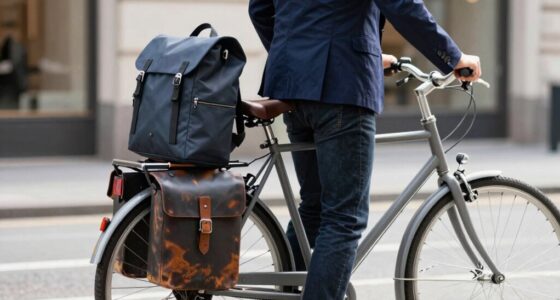
weatherproof electric bike backpack
As an affiliate, we earn on qualifying purchases.
As an affiliate, we earn on qualifying purchases.
How much should you expect to spend on an electric bike backpack?
| Price Range | Features & Quality |
|---|---|
| $50 – $100 | Basic weather resistance, minimal tech, lightweight, suitable for short commutes |
| $100 – $200 | Enhanced durability, integrated USB ports, better organization, some with removable batteries |
| $200+ | High-end materials, advanced tech (GPS, anti-theft), bigger capacity, modular options |
Most riders find value in the $100-$200 range, where durability meets smart features. For example, a commuter might spend around $150 for a pack with a removable battery, weatherproofing, and a padded laptop compartment. Investing in a higher-tier bag often offers a more robust build, longer-lasting batteries, and advanced safety features, which can significantly improve your riding experience and peace of mind. However, it’s important to consider the tradeoff between cost and features—sometimes spending a bit more upfront can save you money and hassle in the long run by providing a more reliable and feature-rich pack.
Brands like Thule, Ortlieb, and EVOC often fall into this range, offering reliable quality and innovative features, but always check specific product reviews and specifications to ensure they meet your particular needs.
USB charging electric bike backpack
As an affiliate, we earn on qualifying purchases.
As an affiliate, we earn on qualifying purchases.
Top 5 tips to pick your perfect electric bike backpack
- Assess your daily needs. Do you carry a laptop, tools, or just snacks? Choose a bag with suitable compartments that can organize your essentials efficiently. Overloading or poor organization can cause discomfort or make it difficult to access items quickly, impacting your ride quality and safety.
- Prioritize comfort. Look for padded straps, adjustable fit, and lightweight materials to prevent fatigue. An uncomfortable backpack can lead to poor posture, back pain, or distraction, which in turn can compromise your safety and riding enjoyment.
- Check battery specs. If charging devices is your goal, verify battery capacity and charging speed. Larger capacity batteries support longer rides and multiple device charges but may add weight; faster charging reduces downtime but might come at a higher cost. Balancing capacity, weight, and cost is crucial for optimal performance.
- Weatherproofing matters. Aim for waterproof or weather-resistant fabrics to keep your gear dry. Consider the typical weather conditions you encounter—if you frequently ride in rain, invest in higher IP-rated materials. Remember, effective weatherproofing can also add weight and reduce breathability, so choose a balance that suits your riding environment.
- Safety features. Reflective panels, LED lights, and secure straps help keep you visible and your gear safe. These features are especially important for riding in low-light conditions or urban settings, where visibility can prevent accidents and theft.
For example, a weekend rider may prioritize modular compartments and eco-friendly fabrics, while a daily commuter might focus on quick charging and safety features. Understanding your riding patterns and environment ensures you select a backpack that complements your lifestyle and enhances your safety.
ergonomic electric bike backpack for commuting
As an affiliate, we earn on qualifying purchases.
As an affiliate, we earn on qualifying purchases.
Real-world example: A commuter’s perfect electric backpack
Meet Sara. She rides 15 miles daily into downtown, battling rain, wind, and traffic. She chose a $180 backpack with a 10,000mAh battery, waterproof fabric, and reflective panels. Her pack comfortably fits her 15-inch laptop, a change of clothes, and snacks.
During a recent storm, the waterproof design kept everything dry, and the USB port allowed her to charge her phone while waiting at the station. The padded straps and ergonomic shape meant she arrived feeling fresh, not battered by the ride.
This example shows how the right features can turn a simple backpack into a reliable riding companion.
Frequently Asked Questions
Are electric bike backpacks safe to carry electronics?
Yes, most are designed with padded compartments and weatherproof materials to protect electronics from shocks and moisture. Always check for impact protection and waterproof ratings before purchasing.
How long do the batteries last?
Battery life varies widely. Some models support several hours of continuous use—up to 8-10 hours—while others mainly serve as power banks for quick device charges. Check capacity and real-world reviews.
Can I charge my phone while riding?
Absolutely. Many backpacks feature built-in USB ports connected to internal power banks, allowing you to keep your devices topped up during your ride without hassle.
Are electric bike backpacks waterproof?
Most are water-resistant or waterproof, but ratings differ. Look for IPX4 or higher if you ride frequently in rain. Confirm the product specifications for total protection.
How much do electric bike backpacks weigh?
They typically weigh between 1.5 and 3 pounds (0.7 to 1.4 kg), depending on size and features. Consider weight when choosing if you prefer lighter gear for longer rides.
Conclusion
Electric bike backpacks are more than just storage—they’re your mobile command center. Think carefully about features, comfort, and safety, and you’ll ride smarter and safer. As e-bikes grow in popularity, expect backpacks to become even more innovative, seamlessly blending technology with everyday practicality.
Next time you gear up, remember: the right pack can turn your ride into a smoother, safer adventure. Gear up with purpose, and enjoy the ride ahead.
Halloween Picks
halloween
As an affiliate, we earn on qualifying purchases.