
To avoid feeling sluggish before your commute, aim to eat a balanced meal about 30 to 60 minutes beforehand, including complex carbs, lean protein, and healthy fats. Opt for portable snacks like bananas or nuts if needed closer to departure. Stay hydrated with water or herbal tea, and avoid sugary foods and drinks that cause energy crashes. Listening to your body’s cues and experimenting with timing can help you find what works best for you.
Key Takeaways
- Eat a balanced, moderate breakfast about 30-60 minutes before leaving to allow digestion without feeling weighed down.
- Opt for complex carbs, lean protein, and healthy fats to sustain energy and prevent crashes.
- Consume small, portable snacks like nuts or a banana 15-20 minutes before departure to curb hunger.
- Stay hydrated with water or herbal tea to support alertness during your commute.
- Avoid sugary foods and drinks that can cause energy dips and sluggishness.
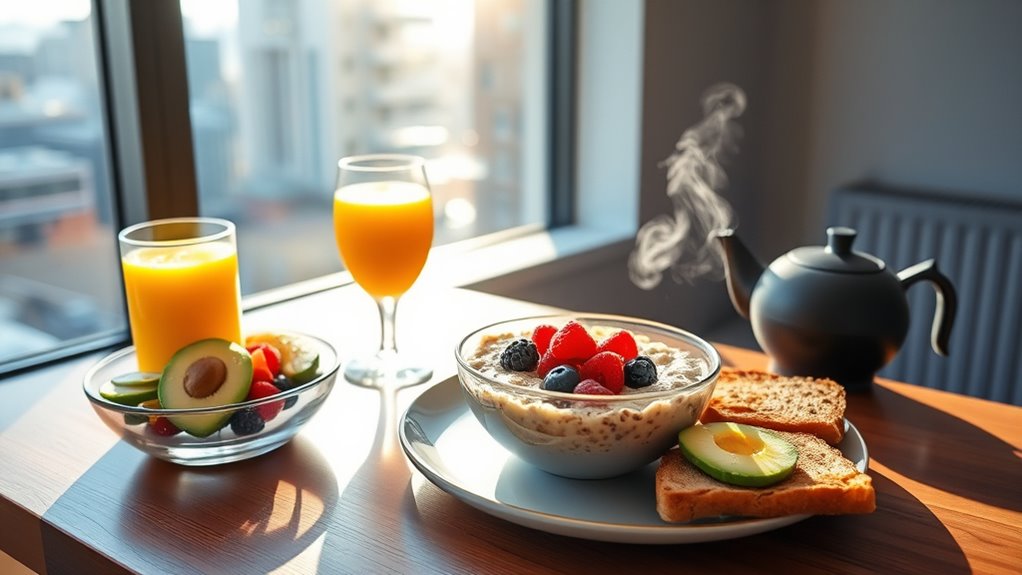
Starting your day with the right breakfast can make your commute smoother and more productive. When you’re planning what to eat before heading out, focus on meal timing to avoid that sluggish feeling. Eating too much or too little can leave you tired or hungry mid-journey. Ideally, aim to have your breakfast about 30 to 60 minutes before you leave. This window gives your body enough time to digest without weighing you down. If you eat too early, you might find yourself hungry again before you arrive at work, while eating too late can cause discomfort or sluggishness during your commute.
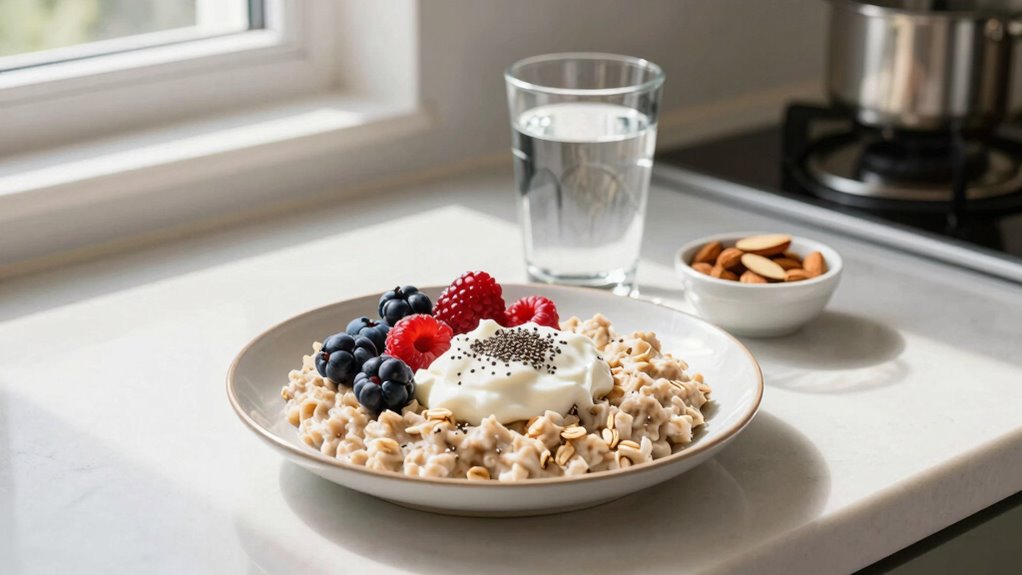
When it comes to snack options, choose foods that provide sustained energy rather than quick spikes and crashes. Opt for balanced snacks that combine complex carbohydrates, lean protein, and healthy fats. For example, a small bowl of oatmeal topped with nuts and berries offers fiber and healthy fats that keep your energy stable. A hard-boiled egg with whole-grain toast delivers protein and complex carbs to fuel your morning. If you prefer something quick, Greek yogurt with a handful of granola provides a good mix of protein and carbs that won’t leave you feeling weighed down.
Timing your meal correctly is key. Eating too close to your departure might cause discomfort or indigestion, while waiting too long could leave you feeling hungry or low on energy. Experiment with different timings to see what works best for your body. Some people find that having a small snack 15-20 minutes before leaving helps curb hunger without causing sluggishness. Others prefer a more substantial breakfast an hour beforehand. Listening to your body will help you find the sweet spot where you’re energized but not sluggish.
Incorporate snack options that are portable and easy to eat on the go. Think: a banana, a small handful of nuts, or a granola bar. These options are convenient, mess-free, and provide quick energy if you’re short on time. Remember to stay hydrated too; a glass of water or herbal tea can help keep you alert during your commute. Additionally, choosing high-quality foods with balanced nutrients can support consistent energy levels throughout your journey. Avoid sugary drinks or snacks, as they might give you a quick burst of energy followed by a crash, leaving you tired before you even arrive.

Bentgo Snack Cup – Reusable Snack Container with Leak-Proof Design, Toppings Compartment, and Dual-Sealing Lid, Portable & Lightweight for Work, Travel, Gym – Dishwasher Safe (Orchid)
On-the-Go Snacking: Portable snack cup is lightweight, durable and convenient for packing breakfast before work, enjoying a bite…
As an affiliate, we earn on qualifying purchases.
As an affiliate, we earn on qualifying purchases.
Frequently Asked Questions
Is It Better to Eat Breakfast or Just a Snack Before Commuting?
It’s better to have a small, balanced snack before your commute rather than a heavy breakfast. Focus on meal timing that avoids feeling sluggish—opt for light snack options like a banana with nut butter or yogurt. These provide energy without weighing you down. Keep your snack easily digestible and within an hour of leaving, so you stay energized without feeling overly full or sleepy during your journey.
How Long Before My Commute Should I Eat?
You should eat about 30 to 60 minutes before your commute, depending on your digestion speed. This meal timing allows your body to process food without feeling sluggish during travel. If you have a faster digestion speed, aim for around 30 minutes; if slower, opt for closer to an hour. Keep your meal light and balanced to maintain energy without discomfort. Adjust based on how your body responds to optimize your commute experience.
Can I Eat Fruit or Should I Avoid It Before Leaving?
Imagine biting into a juicy apple or a sweet banana, the burst of freshness waking up your senses. You can definitely eat fruit before your commute, but choose wisely. Fruits with high sugar content digest quickly, giving you a quick energy boost without feeling sluggish. Opt for low to moderate sugar fruits like berries, apples, or oranges, and avoid overly processed options. This way, you’ll stay energized without that post-snack crash.
Are Smoothies a Good Option for a Quick Pre-Commute Meal?
Yes, smoothies are a great quick pre-commute meal. They provide a healthy snack idea that boosts your energy without feeling heavy. Use smoothie ingredient tips like adding a banana for natural sweetness, spinach for greens, and a splash of almond milk for creaminess. Keep it simple, and you’ll stay energized throughout your commute, avoiding sluggishness. Enjoy your nutritious, portable breakfast with minimal prep!
Should I Avoid Caffeine or Heavy Foods Before Traveling?
You should avoid caffeine and heavy foods before traveling because caffeine effects can lead to dehydration or jitters, making you uncomfortable during your commute. Heavy foods might cause sluggishness or indigestion, which isn’t ideal when you’re on the move. Instead, opt for light, easily digestible snacks like fruit or nuts. Staying hydrated with water also helps keep your energy steady without the unwanted side effects of caffeine or heavy meals.
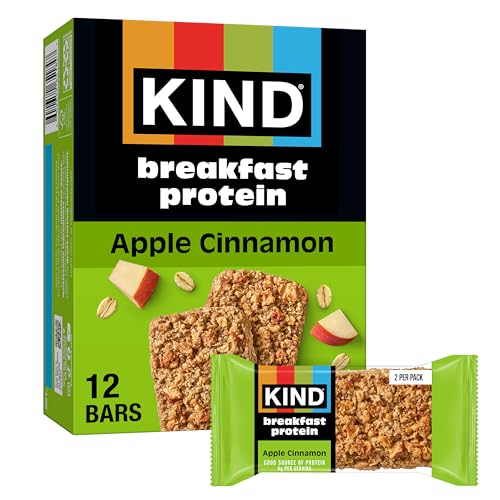
KIND Breakfast Protein, Healthy Snack Bar, Apple Cinnamon, Gluten Free Breakfast Bars, 8g Protein, 1.76OZ Packs, 12 Count
Five boxes of six 1.76 oz two-bar packs of KIND Breakfast Protein, Apple Cinnamon snack bars
As an affiliate, we earn on qualifying purchases.
As an affiliate, we earn on qualifying purchases.
Conclusion
Eating the right meal before your commute can boost your energy and keep sluggishness at bay. Remember, about 60% of people report feeling more alert and productive when they choose balanced, nutritious options in the morning. So, skip heavy, greasy foods and opt for light, wholesome snacks instead. With the right choices, you’ll arrive at work feeling energized and ready to tackle the day, rather than weighed down or exhausted.

Traditional Medicinals Organic, Stress Ease Focus, Ginseng Wild Apple Mint Tea – Balanced Energy Support & Adaptogens – Kosher, Non-GMO, Caffeine-Free, Compostable – 16 Tea Bags
Supports stress relief: Stress Ease Focus supports daily balanced energy and stress to help you relax*
As an affiliate, we earn on qualifying purchases.
As an affiliate, we earn on qualifying purchases.

Meal Prep on a Budget: How to Prep Healthy Meals on $40 a Week
As an affiliate, we earn on qualifying purchases.
As an affiliate, we earn on qualifying purchases.