
After long commutes, try gentle stretches like hip openers—such as pigeon pose or figure-four stretches—to loosen tight hips. Incorporate neck movements like slow leads and side stretches to release neck tension. It’s also helpful to adjust your car seat for proper support and take short breaks to move around. Maintaining good posture during your drive and stretching afterward can make a big difference. To discover more effective moves, keep exploring strategies for post-commute recovery.
Key Takeaways
- Perform gentle hip stretches like pigeon pose and figure-four to loosen tight hip flexors and glutes after commuting.
- Incorporate slow neck rolls and side stretches to release tension accumulated during long drives or screen time.
- Take short breaks during commutes to stand, move, and stretch, preventing stiffness and promoting flexibility.
- Adjust your car seat ergonomically to maintain proper posture, reducing muscle strain during long periods of sitting.
- Create a relaxing post-commute environment at home with comfortable seating and stretching routines to aid muscle recovery.

Have you ever felt drained after a long commute and wondered how to bounce back quickly? If so, you’re not alone. Sitting in traffic or cramped in an airplane can leave your hips tight and your neck aching. The good news is, simple stretching routines can help you recover faster, especially if you’re mindful of your ergonomic car setups and consider alternative transportation options. Your body needs movement to counteract prolonged sitting, and small adjustments can make a big difference.
When you spend hours in your car, especially with poor ergonomic setups, your hips and neck suffer. An ergonomic car setup involves adjusting your seat height, lumbar support, and steering wheel position to maintain proper alignment. If your seat is too low or your lumbar support isn’t supporting your lower back, you’ll end up slouching or straining your neck. Correcting these issues can reduce stiffness and prevent pain from developing. But even with a good setup, muscles tend to tighten after long periods of sitting. That’s where targeted stretches come in.
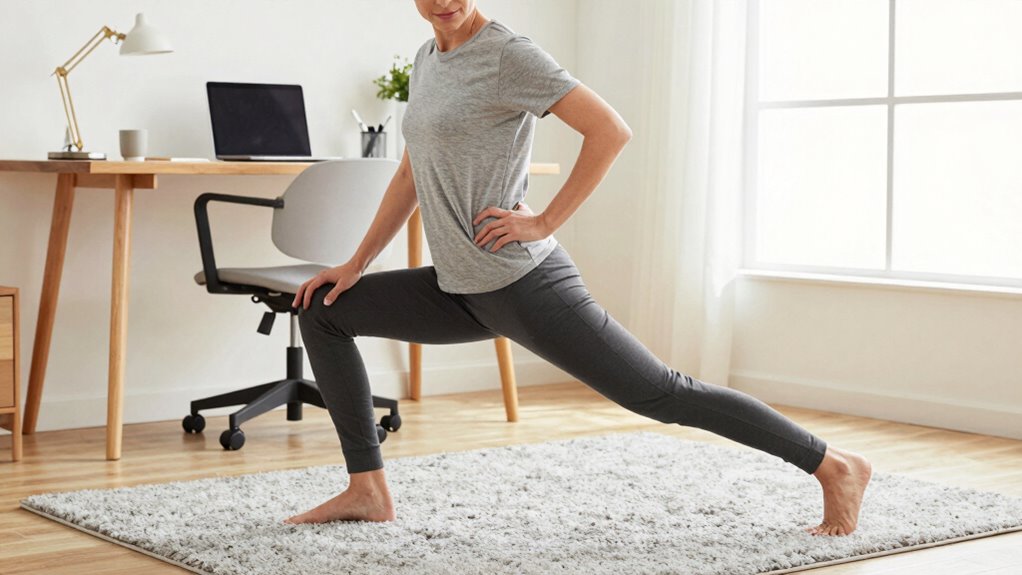
Start with gentle hip openers like the pigeon pose or figure-four stretch. These moves loosen tight hip flexors and glutes, easing the pressure that builds up from a lengthy drive. You can do these stretches right after parking your car, or even during a break if you’ve stopped briefly. For your neck, perform slow neck rolls or side stretches to release tension. Gently tilting your head to each side or turning it side to side helps relax the muscles that get strained from looking at the road or constant screen time.
Loosen hips and neck with gentle stretches like pigeon pose and neck rolls after long drives.
If you’re frequently facing long commutes and find that sitting for hours is taking a toll, consider alternative transportation options. Biking, walking, or using public transit can reduce the time spent in a restricted, uncomfortable environment. These options not only give your body more varied movement but also help prevent the build-up of tightness in hips and neck. Incorporating short, frequent breaks during your commute—whether to stretch or walk—can considerably improve recovery and reduce discomfort. Additionally, understanding your home theater projector setup can contribute to creating a relaxing environment for post-commute recovery, as a comfortable viewing space encourages proper posture and less muscle strain during leisure time.

ZIKEE Pioneering Seat Cushion for Pressure Relief, Ergonomic Office Chair Cushion for Sciatica, Back, Hemorrhoids & Tailbone Pain Relief, High-Density Memory Foam Car Seat Cushion with Anti-Slip Base
Pioneering Curved Wide Seat for Cradling Comfort: This office seat cushion features a pioneering curved design at the…
As an affiliate, we earn on qualifying purchases.
As an affiliate, we earn on qualifying purchases.
Frequently Asked Questions
How Often Should I Perform These Stretching Moves?
You should aim for a stretching schedule that includes these moves at least 3 to 4 times a week. Follow the frequency recommendations to prevent tight hips and neck pain, especially if you spend long hours sitting. Incorporate short sessions into your daily routine or break up your workday with quick stretches. Consistency is key to maintaining flexibility and reducing discomfort over time.
Can These Stretches Help With Lower Back Pain?
Yes, these stretches can help with lower back pain by improving your hip flexibility and encouraging better posture correction. When you regularly perform these moves, you loosen tight hips that often contribute to back discomfort, reducing strain on your lower back. Incorporating these stretches into your routine can promote proper alignment, alleviate pain, and support overall back health, making daily activities more comfortable and less painful.
Are There Stretches Suitable for Office Workers?
Yes, there are stretches suitable for office workers that improve office ergonomics and prevent discomfort. Incorporate simple stretching routines like neck rolls, shoulder shrugs, and seated hip openers throughout your day. These moves help reduce tension from prolonged sitting, improve posture, and keep your hips and neck flexible. Taking short breaks to stretch can boost circulation, relieve strain, and promote better overall comfort during your work hours.
What Are Signs of Overstretching or Injury Risk?
A stitch in time saves nine, so watch for signs of overstretching. If you experience muscle strain, pain, or joint instability during or after stretching, stop immediately. Overstretching can cause injury risk and damage your muscles or joints. Feel persistent discomfort, sharp pain, or a sensation of looseness in your joints? These are signs you’re pushing too far. Always listen to your body and avoid pushing beyond your limits.
Can These Exercises Be Done During Short Breaks at Work?
Yes, you can do desk stretches during short breaks at work to improve your ergonomic posture. Incorporate simple movements like shoulder rolls, neck tilts, and hip openers to ease tension. These quick stretches help prevent tight hips and neck pain, keeping you comfortable and focused throughout the day. Just make certain you move gently and listen to your body, avoiding overstretching or any discomfort.

Amazon Basics 1/2 Inch Extra Thick Exercise Yoga Mat with Carrying Strap for Home Workouts and Fitness, 74" x 24", Black
Extra thick, cushy floor mat in Black for yoga, gym, and everyday exercise
As an affiliate, we earn on qualifying purchases.
As an affiliate, we earn on qualifying purchases.
Conclusion
Incorporating these stretching moves into your commute can markedly reduce tight hips and neck pain. Did you know that sitting for over 8 hours a day increases the risk of musculoskeletal issues by 50%? By taking just a few minutes to stretch, you’ll boost your circulation, improve flexibility, and feel more refreshed. Make these exercises a daily habit, and you’ll notice less discomfort and more energy to tackle your day—your body will thank you!

AllSett Health Firm Cervical Neck Roll Memory Foam Pillow, Bolster Pillow, Round Neck Support for Sleeping | Bolster for Bed, Legs, Back and Yoga
SLEEP BETTER- Sleeping with the memory foam round pillow, provides the ultimate comfort and relief throughout your body….
As an affiliate, we earn on qualifying purchases.
As an affiliate, we earn on qualifying purchases.

Trideer Stretching Strap Yoga Strap Physical Therapy for Home Workout, Exercise, Pilates and Gymnastics, 10 Loops Non-Elastic Stretch Bands with Aesthetic Packaging for Women & Men (Black)
Long Lasting Premium Quality: Made of sturdy polypropylene, this tough yoga strap stands out in a crowd by…
As an affiliate, we earn on qualifying purchases.
As an affiliate, we earn on qualifying purchases.