To maximize comfort on longer commutes, focus on your seat positioning, making sure your seat height allows a slight knee bend and your hips are level. Adjust the handlebar or steering wheel for a relaxed arm position, and add lumbar support to reduce back strain. Take regular breaks to stretch and move, keeping your posture aligned. Small tweaks in your setup can greatly lessen fatigue, and if you’re interested, learn more about how subtle modifications make a big difference.
Key Takeaways
- Proper seat height and angle prevent strain and maintain neutral spine alignment during extended rides.
- Handlebar and steering wheel positioning reduce neck, shoulder, and back tension for prolonged comfort.
- Adjustable lumbar cushions and components support posture and minimize fatigue over long distances.
- Regular breaks and stretching help maintain circulation and decrease muscle stiffness on lengthy commutes.
- Fine-tuning ergonomic setup through small adjustments enhances overall comfort and reduces long-term discomfort.
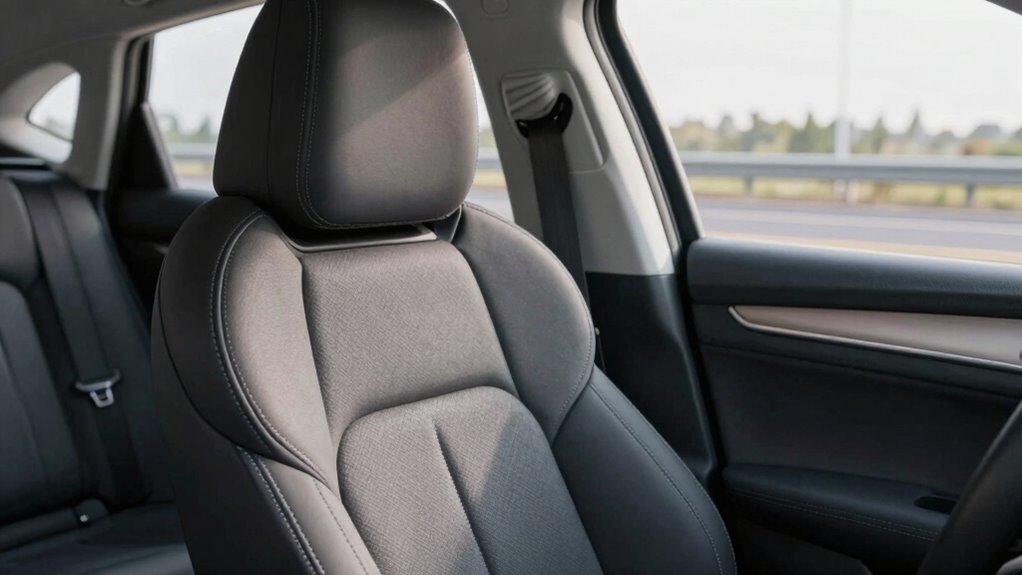
Longer commutes can be exhausting, but adjusting your vehicle’s comfort setup can make a significant difference. When you spend hours behind the wheel or on your bike, small tweaks to your seating position and handlebar height can greatly reduce fatigue and discomfort. The key is to focus on comfort geometry—designing your setup to support your body properly during extended periods of riding or driving.
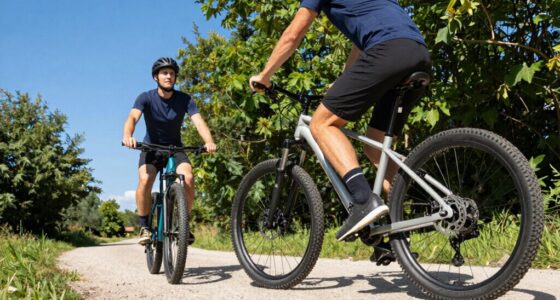
Start with ergonomic seat positioning. Proper seat height and angle are essential for maintaining good posture and preventing strain. When your seat is at the right height, your legs should have a slight bend at the knee when the pedal or pedal-like control is at its lowest point. This allows for efficient pedaling and reduces pressure on your knees. If you’re sitting too high, you may strain your hips and lower back; too low, and you’ll compromise your pedaling power and comfort. Adjust your seat forward or backward so that your hips are level and your lower back feels supported. This alignment helps keep your spine in a neutral position, reducing fatigue over long distances.
Handlebar height adjustment is equally important. Whether you’re riding a bike or driving a car, your handlebars should be positioned so that your elbows are slightly bent when gripping them. When handlebars are too high or too low, you may develop neck, shoulder, or back pain. For bike riders, raising the handlebar height can alleviate upper body tension, making it easier to maintain a relaxed posture. Drivers should position the steering wheel so that it’s comfortably within reach without overextending their arms. A handlebar or steering wheel that’s too low forces you into a hunched posture, which can cause discomfort and stiffness. Adjusting handlebar height to match your body’s natural position ensures less strain during those long hours on the road. Additionally, paying attention to ergonomic design principles can help optimize your setup for even greater comfort. Incorporating proper support such as lumbar cushions can further enhance comfort and reduce fatigue. Moreover, considering adjustable components can provide a customizable fit tailored to your body’s needs. Understanding the importance of ergonomic setup can help you make more informed adjustments for comfort and safety. Recognizing biodiversity in your environment can also influence how you set up your space to maximize comfort and reduce stress during long commutes.
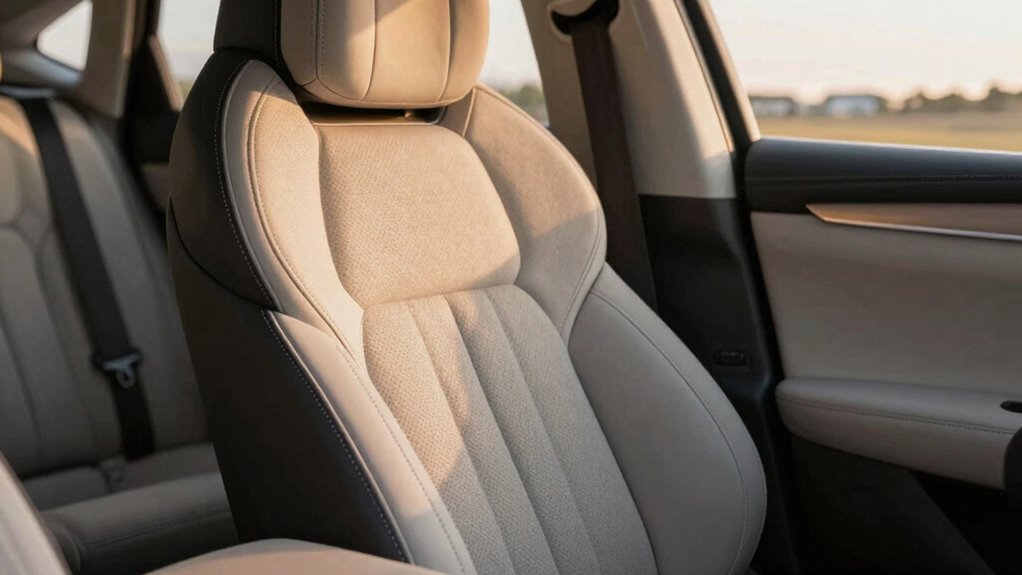
Beyond seat and handlebar adjustments, it’s crucial to take breaks and move periodically. Even with perfect ergonomic setup, staying in the same position for too long can cause stiffness and discomfort. Stretching your neck, shoulders, and legs every hour helps keep your muscles relaxed. Additionally, consider the overall setup—padding, lumbar support, and even the position of mirrors or controls—to create a tailored environment that minimizes fatigue.
In essence, focusing on comfort geometry by fine-tuning ergonomic seat positioning and handlebar height adjustment transforms your long commute from a tiring chore into a more manageable, less stressful experience. Small adjustments, made thoughtfully, can improve your posture, reduce pain, and help you arrive feeling more refreshed.
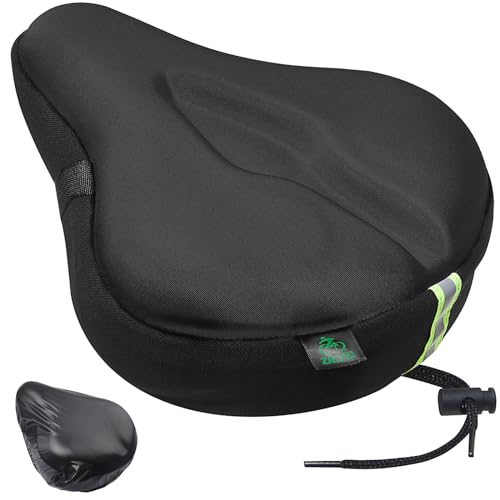
Zacro Bike Seat Cushion – Gel Padded Bike Seat Cover for Men Women Comfort, Extra Soft Exercise Bicycle Seat Compatible with Peloton, Outdoor & Indoor Bike Saddles(Large, Black)
Extra Soft & Comfort: Extra soft and thicker gel padding, effective absorption of impact, reduces pain, protects your…
As an affiliate, we earn on qualifying purchases.
As an affiliate, we earn on qualifying purchases.
Frequently Asked Questions
How Do Seat Adjustments Impact Long-Term Comfort During Extended Drives?
Your seat adjustments greatly impact long-term comfort during extended drives. Proper seat padding provides cushioning and support, reducing fatigue. Adjusting the headrest positioning ensures your neck remains aligned, preventing strain. When you customize these settings, you promote better posture, minimize discomfort, and maintain alertness on long trips. Regularly fine-tuning your seat, padding, and headrest helps you enjoy a more comfortable, less tiring driving experience over time.
What Role Does Lumbar Support Play in Reducing Fatigue?
Lumbar support plays a vital role in reducing fatigue by promoting ergonomic design and encouraging proper posture correction. When your lower back is well-supported, you maintain a natural spine alignment, which lessens muscle strain and discomfort. By choosing seats with adjustable lumbar support, you help prevent long-term fatigue and discomfort during extended drives, ensuring you stay comfortable and alert throughout your journey.
Are There Specific Materials That Improve Comfort Over Time?
Yes, certain materials enhance long-term comfort. Look for ergonomic fabrics that adapt to your body’s shape and maintain breathability, preventing discomfort over time. Cushioning materials like memory foam or gel-infused foam offer superior support and pressure relief during extended periods of sitting. These materials help reduce fatigue, keep you comfortable, and promote better posture, making your longer commutes more manageable and less tiring overall.
How Can I Prevent Numbness During Long Commutes?
Did you know that 60% of commuters experience numbness during long rides? To prevent this, you should invest in ergonomic accessories like seat cushions and footrests, which help maintain proper circulation. Additionally, your footwear choices matter—opt for shoes with good arch support and flexible soles to reduce pressure on your feet. Changing positions regularly and stretching during stops also boost circulation, helping keep numbness at bay.
What Are the Best Stretches or Breaks to Reduce Discomfort?
To reduce discomfort during long commutes, take regular breaks to stretch your legs and shoulders. Maintain an ergonomic posture by sitting upright with your back supported and feet flat on the floor. Use a cushion that offers proper lumbar support and helps keep your hips aligned. Every 30 minutes, stand up, stretch your calves and thighs, and adjust your cushion if needed to stay comfortable and prevent numbness.
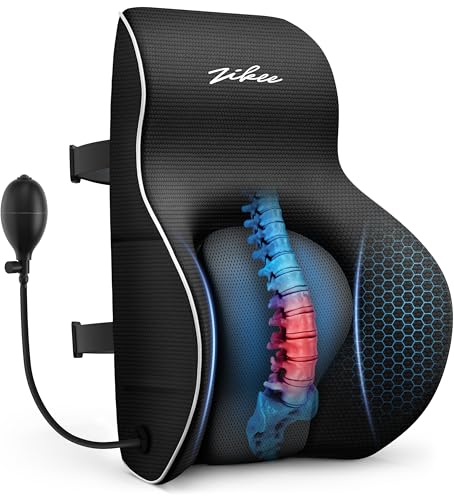
ZIKEE Adjustable Airbag Lumbar Support Pillow Provides Comfortable Support Back Pain Relief and Improves Posture, Ergonomic Memory Foam Back Support Pillow for Office Chair, Car, Home
Innovative Airbag Design for Customizable Support: Ergonomically designed to align the natural lumbar spine curvature (L4-L5), this lumbar…
As an affiliate, we earn on qualifying purchases.
As an affiliate, we earn on qualifying purchases.
Conclusion
As you settle into your ride, remember that comfort geometry isn’t just a blueprint—it’s your personal roadmap to smoother, longer journeys. Think of your bike as an extension of yourself, where every angle and adjustment tunes out the chaos and tunes in calm. When your geometry is just right, each pedal stroke feels like gliding on a gentle breeze, transforming a long commute from a grind into a graceful dance. Embrace the details, and let your ride carry you effortlessly home.

RULLINE Turn Signal Extender Car Styling Adjustment Steering Wheel Signal Rod Extension Turn Signal Lever Position Kit Aluminium (Red)
Turn signal extender original with the sense operation is possible item
As an affiliate, we earn on qualifying purchases.
As an affiliate, we earn on qualifying purchases.
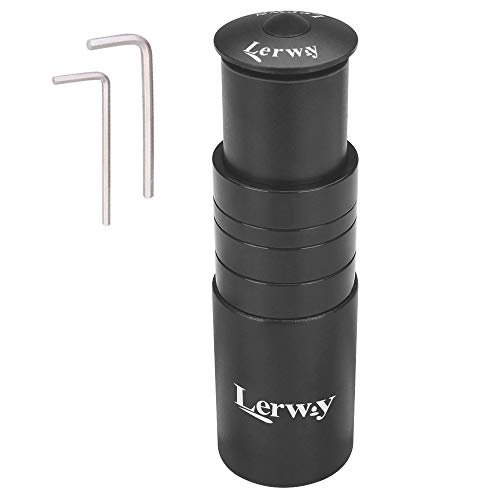
LERWAY Bike Stem Riser Extender MTB Handlebar Stem Adapter with Hex Key for 1-1/8" 28.6mm Fork Aluminum Black
Perfect for Most Bikes: The stem riser is suitable for most bike with 1-1/8'' (28.6 mm) threadless steerer….
As an affiliate, we earn on qualifying purchases.
As an affiliate, we earn on qualifying purchases.