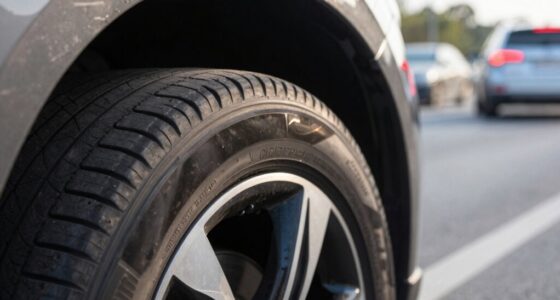
After every ride, wipe down your bike thoroughly, paying special attention to the chain, gears, and joints. Store it in a dry, sheltered place or cover it if kept outside. Apply a lubricant or anti-corrosion spray regularly to create a protective barrier against moisture. Inspect your bike for small rust spots and address them promptly with a wire brush or rust remover. Developing these simple habits will keep your bike rust-free and in top shape season after season.

Get bike and ride gear delivered free with Prime
- Fast, free delivery on millions of items
- Prime Video, Amazon Music and more included
- Member-only deals all year
Key Takeaways
- Wipe down your bike thoroughly after every ride, paying special attention to chains, gears, and joints.
- Dry all parts completely to prevent moisture buildup that can cause rust.
- Apply lubricant or anti-corrosion spray on metal surfaces, especially vulnerable spots like chains and cables.
- Store your bike in a dry, sheltered area or use a weatherproof cover if kept outside.
- Regularly inspect your bike for early rust signs and address small spots promptly with rust remover or brushing.
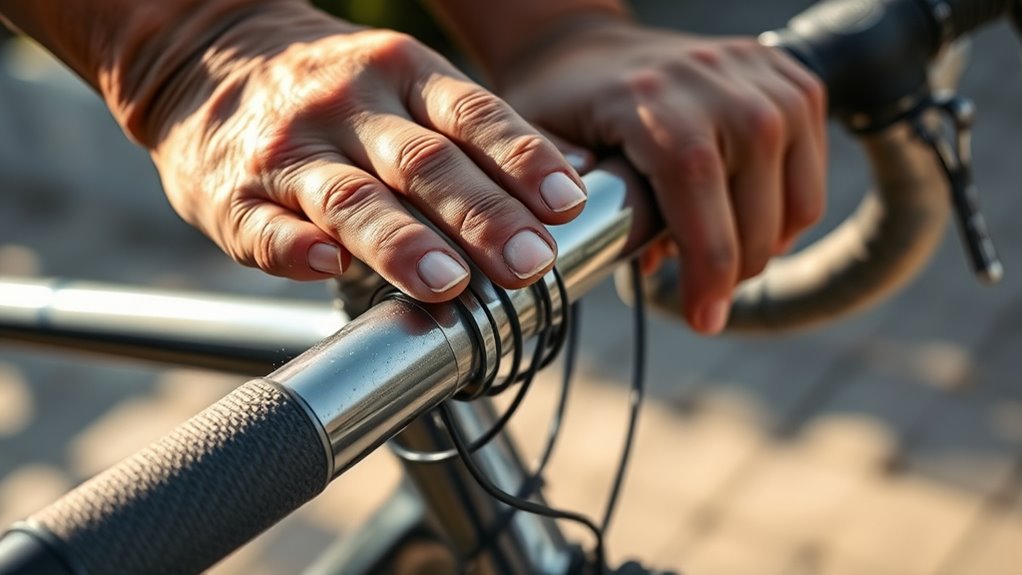
If you commute regularly, rust can quickly become a problem for your vehicle, especially during the wetter months. The constant exposure to rain, snow, and road salt accelerates corrosion, making it vital to adopt effective after-ride habits. One of the most important steps is managing your bike storage. Storing your bike properly, preferably in a dry, sheltered area, helps prevent moisture buildup that promotes rust. If indoor storage isn’t an option, invest in a weatherproof cover to shield your bike from the elements. Proper bike storage isn’t just about convenience; it’s a proactive way to keep metal parts dry and corrosion-free over time.
Proper bike storage in a dry, sheltered area prevents rust and corrosion over time.
Alongside good storage practices, establishing consistent cleaning routines is essential. After each ride, especially in wet conditions, you should wipe down your bike thoroughly. Pay close attention to areas prone to collecting water and dirt, such as the chain, gears, frame joints, and wheel hubs. Use a gentle bike-specific cleaner or a mixture of soap and water, and make sure to dry all parts completely. This prevents moisture from lingering and causing oxidation. For stubborn grime or salt residue, a soft brush or cloth can help scrub away residues that could accelerate rust formation. Regular cleaning routines don’t just extend your bike’s lifespan—they also improve safety and performance by keeping components functioning smoothly.
You might also consider applying a protective lubricant or anti-corrosion spray after cleaning. These products form a thin barrier on metal surfaces, repelling water and preventing rust from taking hold. Focus on vulnerable spots like the chain, derailleurs, and brake cables. Remember, the key isn’t just to clean your bike once but to develop a habit of routine maintenance. Doing so keeps rust at bay and ensures your bike remains reliable, no matter the weather.
Finally, inspect your bike periodically for signs of rust or corrosion. Catching issues early allows you to address them before they worsen. If you notice small spots starting to form, gently remove them with a wire brush or a rust remover designed for bicycles. Maintaining a consistent schedule of bike storage, cleaning routines, and inspections creates a strong defense against rust, helping you enjoy your daily commute without worries about corrosion. Staying proactive with these habits ensures your bike stays in top shape, season after season.
As an affiliate, we earn on qualifying purchases.
Frequently Asked Questions
How Often Should I Inspect My Bike for Rust Signs?
You should inspect your bike for rust signs at least once a month as part of your regular bike maintenance. Regular rust inspection frequency helps you catch early corrosion before it worsens. During these checks, focus on joints, chains, and other metal parts. If you notice rust developing, clean it promptly and apply protective treatments. Staying consistent with rust inspection keeps your bike in top shape and extends its lifespan.
Are There Specific Products Best for Rust Prevention?
You should use corrosion resistant coatings and rust proof lubricants for the best rust prevention. Apply a high-quality corrosion resistant coating to exposed metal parts, especially after cleaning or rides in wet conditions. Use rust proof lubricants on moving parts and areas prone to moisture buildup. These products create a protective barrier, reducing rust formation and extending your bike’s lifespan. Regular application keeps your bike in top condition and ready for your next commute.
Can Winter Salt Damage My Bike’s Metal Parts?
Imagine riding your bike through snowy streets, and winter salt accumulates on your metal parts. Yes, salt can cause metal corrosion by accelerating rust formation, especially if it’s left on the surface. Over time, it leads to deterioration of vital components. To prevent this, wash your bike thoroughly after winter rides, removing salt deposits promptly. Regular cleaning helps minimize salt accumulation and keeps your bike in top shape.
What Are Quick Fixes if Rust Appears After a Ride?
If rust appears after a ride, act quickly with quick rust remedies like applying a mixture of baking soda and water or using a rust remover. Use a soft brush or cloth to scrub the rust gently, following rust removal tips to avoid damaging your bike’s finish. Afterward, dry the area thoroughly and consider applying a protective lubricant or paint to prevent future rust. Acting promptly keeps your bike in top shape.
Should I Store My Bike Indoors or Outdoors to Prevent Rust?
You should store your bike indoors to prevent rust. Imagine finding that perfect storage solution—like a garage or a shed—that keeps your bike dry and shielded from outdoor elements. Outdoor protection is tricky; rain, humidity, and dew accelerate rust. By choosing indoor storage, you give your bike a safe haven, reducing exposure to moisture and ensuring it stays pristine for every ride.
As an affiliate, we earn on qualifying purchases.
Conclusion
So, after all that effort to dodge rust, it’s almost ironic how the best defense is simply caring a little more. You spend so much time avoiding puddles and wiping down your bike, only to realize that a simple habit—like regular cleaning—can do more than fancy coatings. Sometimes, the best way to keep rust at bay is just paying attention to the little things. After all, who knew that a bit of proactive care could be so unexpectedly powerful?
As an affiliate, we earn on qualifying purchases.
As an affiliate, we earn on qualifying purchases.
Fall Picks
fall essentials
As an affiliate, we earn on qualifying purchases.