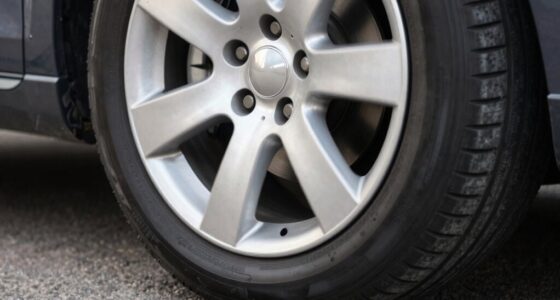
If you notice your steering wheel or vehicle wobbling during your commute, don’t ignore it, as it could signal serious issues like tire imbalance, misalignment, or damaged rims. You might feel vibrations, uneven tire wear, or your car pulling to one side, especially at higher speeds. Ignoring these signs can lead to faster tire wear, suspension damage, or even loss of control. Keep an eye out for these clues to stay safe—and there’s more you should know.

Get bike and ride gear delivered free with Prime
- Fast, free delivery on millions of items
- Prime Video, Amazon Music and more included
- Member-only deals all year
Key Takeaways
- Feelings of vibration or wobbling in the steering wheel during your commute.
- Wobble worsens at higher speeds, indicating potential imbalance or alignment issues.
- Vehicle pulls to one side, making steering feel off-center or unpredictable.
- Uneven tire wear patterns suggest imbalance or misalignment needing attention.
- Ignoring wobble signs can lead to increased tire and suspension damage, risking safety.
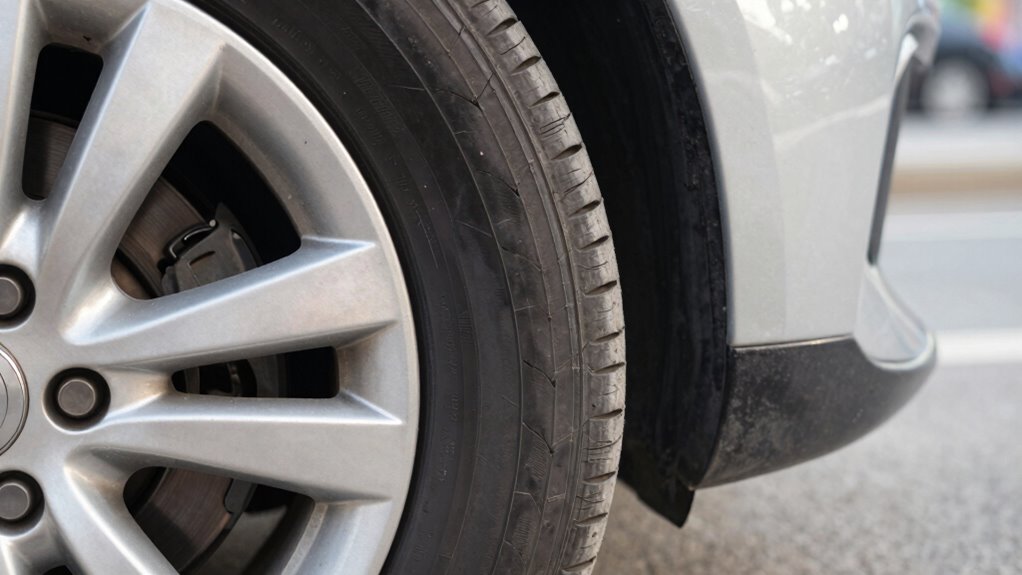
Nobody wants to experience a sudden wheel wobble during their commute, but recognizing the signs early can prevent dangerous breakdowns. The first clue that something’s wrong often shows up as a noticeable vibration or wobble in your steering wheel or throughout your vehicle. This movement isn’t normal and could be caused by tire imbalance or alignment issues. If your tires aren’t properly balanced, they won’t rotate smoothly, leading to uneven wear and vibrations that become more pronounced at certain speeds. Ignoring these signs can cause further damage to your tires and suspension, making repairs more costly and time-consuming.
Early signs of wheel wobble include steering vibrations and uneven tire wear, risking costly damage and safety issues.
Alignment issues are another common cause of wheel wobble. When your wheels are misaligned, they don’t point straight ahead, which can lead to uneven tire wear and a shaky ride. You might also notice that your vehicle pulls to one side or that your steering feels off-center even when you’re driving straight. These symptoms often accompany the wobble, indicating that your vehicle’s suspension geometry needs attention. If you delay fixing alignment problems, you risk rapid tire wear and compromised handling, both of which are unsafe during your commute. Additionally, proper tire maintenance can help prevent these issues from developing in the first place.
As you drive, pay close attention to how your vehicle feels. If the wobble worsens at higher speeds, it’s a strong sign that something’s amiss. Sometimes, the wobble can be subtle at lower speeds but becomes more obvious once you’re cruising faster. This pattern often points to tire imbalance, which can be caused by uneven tire weight distribution, a loose wheel, or a damaged rim. Regularly checking your tires for proper inflation and balancing can help catch these issues early, and regular tire inspections are crucial for maintaining safe driving conditions. Ensuring your tires are properly mounted and secured can also prevent these problems from occurring. If the wobble is persistent and doesn’t improve after adjusting tire pressure, it’s time to have your tires inspected and balanced by a professional.
Ignoring wheel wobble isn’t just uncomfortable; it’s dangerous. It can lead to loss of control, especially during sudden maneuvers or emergency stops. If you notice your steering wheel vibrating, your car pulling unexpectedly, or uneven tire wear, don’t delay getting it checked out. A quick inspection can reveal whether you’re dealing with tire imbalance or alignment issues. Addressing these problems promptly keeps your ride smooth, safe, and reliable, helping you avoid breakdowns and costly repairs along the way.
tire balancing and alignment kit
As an affiliate, we earn on qualifying purchases.
As an affiliate, we earn on qualifying purchases.
Frequently Asked Questions
Can Wheel Wobble Be Caused by Tire Pressure Issues?
Yes, wheel wobble can be caused by tire pressure issues. When your tire isn’t properly inflated, it can lead to uneven tire balancing, which causes wobbling. Additionally, low or uneven pressure can put extra stress on your rims, potentially leading to rim damage. Regularly checking and maintaining proper tire pressure helps prevent these problems, ensuring a smoother ride and reducing the risk of wheel wobble caused by imbalance or rim issues.
How Often Should I Check for Wheel Wobble?
You should check for wheel wobble at least once a month or whenever you notice uneven tire wear or steering issues. During your inspection, consider tire rotation and brake maintenance, as these can influence wobble. Regularly checking helps catch problems early, ensuring your vehicle’s stability. Also, inspect tire pressure, as uneven pressure can cause wobbling. Consistent checks keep you safe and extend your tires’ lifespan.
Is Wheel Wobble More Common in Certain Vehicle Types?
Wheel wobble is more common in vehicles with lighter weight or those frequently driven on rough road conditions. Lighter vehicles are more affected because they have less stability, making wobble more noticeable. Also, poor road conditions like potholes or uneven surfaces can cause or worsen wobbling issues. Regularly inspecting your vehicle and paying attention to how it handles on different terrains helps prevent problems caused by vehicle weight and road conditions.
Can a Wheel Wobble Be Fixed Without Professional Help?
You can fix a wheel wobble yourself if you’re comfortable with basic car maintenance. Start by checking your tire balance and suspension alignment, as uneven tire weight or misaligned suspension often cause wobbling. If you notice uneven wear or persistent wobble, it’s best to get professional help. Sometimes, professional balancing or alignment is necessary, but minor issues can often be resolved at home with the right tools and knowledge.
What Are the Long-Term Risks of Ignoring Wheel Wobble?
Ignoring wheel wobble can lead to long-term risks like uneven tire wear, which might require frequent tire rotation, and damage to brake alignment, reducing your vehicle’s safety. Over time, this can cause steering issues, decreased fuel efficiency, and costly repairs. Regularly check for wobble and address it promptly to prevent these problems, ensuring your car stays safe and reliable on every commute.
As an affiliate, we earn on qualifying purchases.
Conclusion
Next time your wheel wobbles unexpectedly, remember it’s more than just a coincidence—it’s a sign to pay attention. Ignoring it might seem like a small oversight, but it could lead to bigger problems down the road. Luckily, noticing these signs during your commute is like a fortunate coincidence that keeps you ahead of trouble. Stay alert, address issues early, and enjoy the ride, knowing you’ve caught a problem before it caught you off guard.
As an affiliate, we earn on qualifying purchases.
tire pressure gauge and inflator
As an affiliate, we earn on qualifying purchases.
As an affiliate, we earn on qualifying purchases.
Fall Picks
fall essentials
As an affiliate, we earn on qualifying purchases.