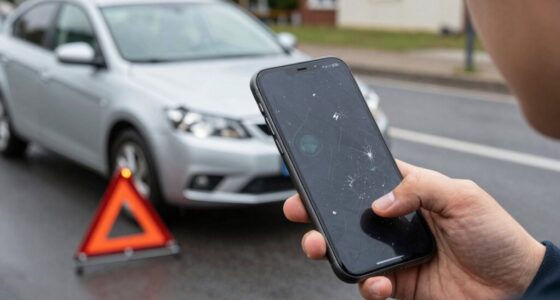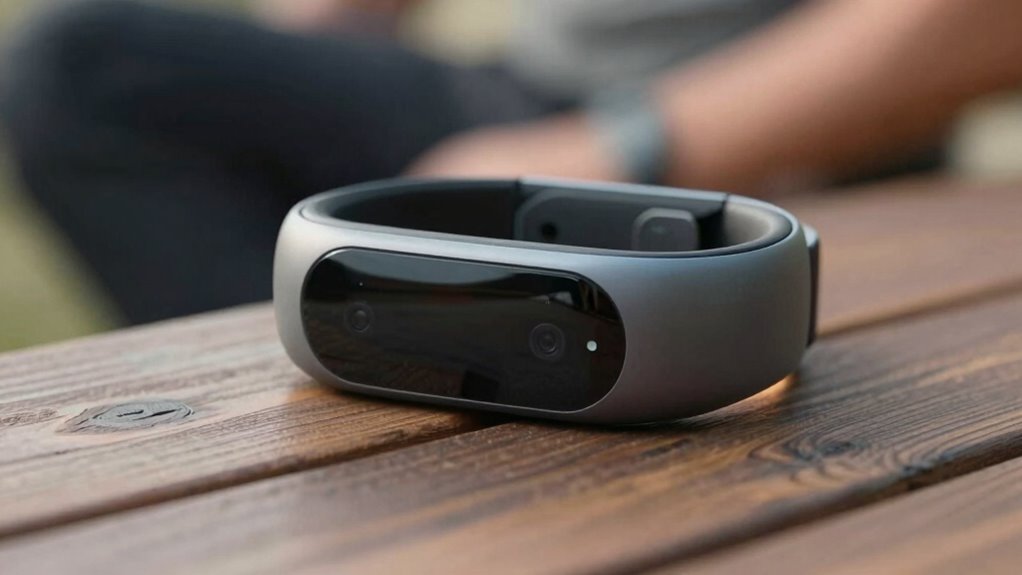

Crash detection wearables can automatically identify accidents, alert emergency services, and provide your location, which can save lives and reduce injuries. They add a valuable safety layer, especially for vulnerable groups or pedestrians. However, their effectiveness depends on device calibration, environmental factors, and data security. While ongoing innovations aim to improve reliability and privacy, understanding both benefits and limits helps you make smarter safety choices. To explore more about how these devices work and their challenges, keep exploring.

Get bike and ride gear delivered free with Prime
- Fast, free delivery on millions of items
- Prime Video, Amazon Music and more included
- Member-only deals all year
Key Takeaways
- Crash detection wearables can automatically alert emergency services, reducing response times and potentially saving lives.
- They enhance safety for vulnerable groups and pedestrians through quick assistance and security features.
- Data privacy concerns arise due to sensitive information collection, requiring strong security measures and user control.
- Environmental factors and device calibration issues can affect the accuracy and reliability of crash detection.
- Ongoing technological improvements are needed to address current limitations and ensure broader adoption and effectiveness.

With increasing concerns about road safety, crash detection wearables have emerged as a promising tool to help protect drivers and pedestrians alike. These devices are designed to automatically detect collisions and trigger emergency response protocols, which can be a lifesaver in situations where every second counts. When a crash occurs, the wearable can alert emergency services, providing vital details like your location and the severity of the impact. This immediate response can substantially reduce the time it takes for help to arrive, potentially saving lives and preventing serious injuries. For drivers, wearing these devices offers peace of mind, knowing that help is just a button-press or automatic alert away. Pedestrians, especially those in high-traffic areas or vulnerable groups, also benefit from this added layer of security, increasing the chances of quick assistance after an accident.
However, while the benefits are clear, there are important limits to contemplate, especially around data privacy. Crash detection wearables collect sensitive data—your location, movement patterns, and health information—raising questions about who has access to this data and how it’s used. If not properly secured, this information could be vulnerable to hacking or misuse, compromising your privacy. Manufacturers and service providers need to implement robust encryption and privacy policies to guarantee your data remains protected. As a user, you should be aware of what data is being collected and have control over who can access it. Transparency from companies about their data handling practices is essential to build trust and ensure your privacy isn’t unintentionally breached. Additionally, the accuracy of the technology can be affected by device calibration and environmental factors, which may impact its reliability in real-world scenarios. External factors like weather or road conditions can further influence the device’s performance and sensor reliability, making it necessary to consider these elements when relying on crash detection wearables. Furthermore, ongoing technology improvements are needed to address current limitations and enhance overall safety effectiveness. Ensuring continuous innovation can help overcome current technology limitations and improve the reliability and trustworthiness of these devices over time.
As an affiliate, we earn on qualifying purchases.
Frequently Asked Questions
How Accurate Are Crash Detection Wearables in Different Weather Conditions?
Crash detection wearables’ accuracy can vary with weather conditions. Weather variability, like rain or fog, can affect sensor reliability, leading to potential false positives or missed detections. You should be aware that heavy rain or snow might impair sensor performance, but in clear conditions, these devices tend to be more dependable. Regularly updating your device and understanding its limitations can help guarantee better accuracy regardless of weather.
Can Crash Detection Wearables Differentiate Between Minor and Major Accidents?
Crash detection wearables can often differentiate between minor and major accidents by analyzing accident severity, impact force, and sensor data. When they detect a major accident, they automatically trigger emergency response, alerting help quickly. For minor incidents, they might log the event or notify you. This distinction guarantees timely assistance for severe crashes while avoiding unnecessary alerts for less serious bumps, ultimately enhancing safety and response efficiency.
What Is the Battery Life of Most Crash Detection Devices?
Most crash detection wearables offer a battery longevity of about one to two days, depending on their power consumption levels. If the device uses more sensors or features, it drains the battery faster, reducing overall power longevity. To get the most out of your device, you should consider its power consumption and recharge it regularly. Efficient power management helps guarantee continuous crash detection without frequent interruptions for charging.
Are Crash Detection Wearables Compatible With All Smartphones?
Crash detection wearables aren’t compatible with all smartphones. Device compatibility varies depending on the wearable’s brand and model, as well as the smartphone’s operating system. Many devices integrate seamlessly with popular smartphones through dedicated apps, but some may require specific versions or Bluetooth capability. To guarantee proper smartphone integration, check the wearable’s compatibility list before purchasing. This way, you can be confident it’ll work smoothly with your device.
How Is User Data Protected and Secured in Crash Detection Systems?
Imagine your data as a treasured diary; crash detection systems protect it fiercely. They use data encryption to lock your information tight and adhere to strict privacy policies to prevent unauthorized access. These measures act like a digital vault, ensuring your personal details stay safe even if the system detects a crash. Rest assured, your safety and privacy are top priorities, secured behind layers of advanced protection.
emergency alert wearable for pedestrians
As an affiliate, we earn on qualifying purchases.
As an affiliate, we earn on qualifying purchases.
Conclusion
Ultimately, crash detection wearables offer valuable vigilance, providing peace of mind and prompt assistance when accidents occur. While they’re a helpful herald of safety, they’re not foolproof or free from flaws. Remember, these devices deliver diligent detection, but they don’t replace careful caution or all-encompassing care. By understanding their limits and leveraging their benefits, you can confidently combine technology with common sense, creating a safer, smarter, and more secure lifestyle.
personal safety crash detection watch
As an affiliate, we earn on qualifying purchases.
As an affiliate, we earn on qualifying purchases.
collision detection fitness tracker
As an affiliate, we earn on qualifying purchases.
As an affiliate, we earn on qualifying purchases.
Fall Picks
fall essentials
As an affiliate, we earn on qualifying purchases.