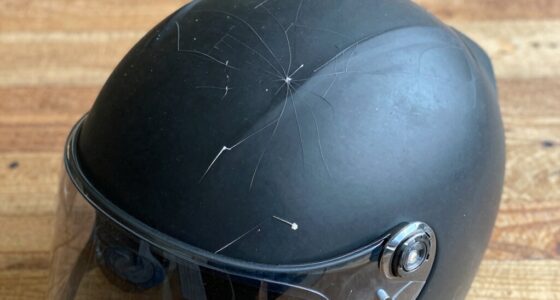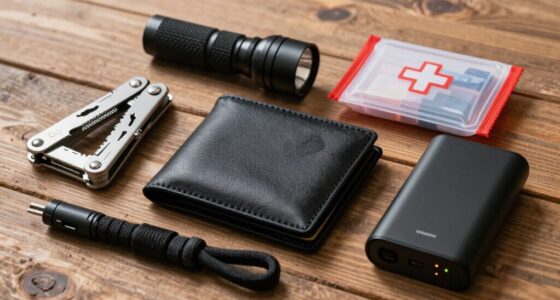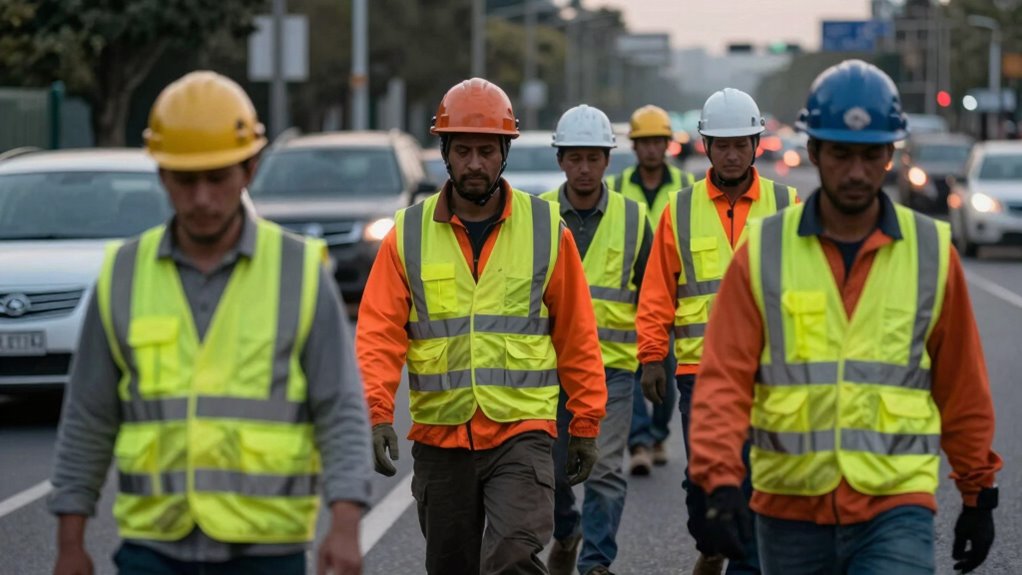
Prolonged exposure to bright, high-visibility gear can cause visual fatigue, making it harder for you to see those vivid colors and react quickly. This fatigue strains your eyes, reduces contrast sensitivity, and slows your response times, especially in demanding situations. Over time, your awareness decreases, and you might overlook important signals or hazards. If you stay aware of these effects and follow some simple strategies, you’ll find ways to keep your vision sharp and stay safe longer.

Get bike and ride gear delivered free — and shop member deals
- Fast, free delivery on millions of items
- Access to Prime Big Deal Days deals on October 6–7
- Prime Video, Amazon Music and more included
Key Takeaways
- Prolonged exposure to bright colors causes visual fatigue, reducing contrast sensitivity and making high-visibility gear less noticeable.
- Eye strain from vivid hues decreases alertness, leading to slower reactions and increased safety risks.
- Continuous stimulation from reflective materials and stark contrasts can dull the eyes’ ability to detect important cues.
- Taking regular breaks and adjusting lighting conditions help prevent visual fatigue and maintain effective perception.
- Maintaining eye health through proper nutrition and routine checkups supports sustained visual clarity in high-visibility environments.
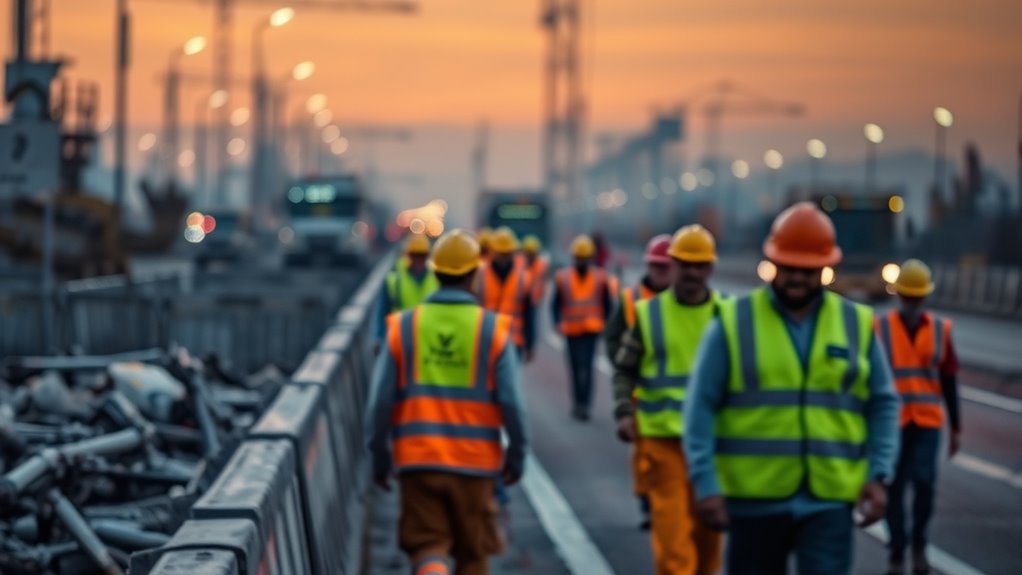
Have you ever noticed how constantly wearing high-visibility gear can actually make you less alert? It may seem counterintuitive, but prolonged exposure to bright, high-visibility colors can lead to visual fatigue, which diminishes your ability to notice important details on the road. When you’re immersed in environments filled with vivid yellows, oranges, and reflective materials, your eyes work harder to adapt, causing strain over time. This strain can dull your perception, making bright colors seem less striking and reducing your overall awareness. The more your eyes tire, the less effective your visual cues become, and you might find yourself missing critical signals from other drivers, pedestrians, or road signs.
High visibility gear is designed to make you stand out, especially in low-light or hazardous conditions. However, the constant exposure to these intense colors can backfire. Visual fatigue sets in when your eyes are repeatedly adjusting to stark contrasts and bright lights, leading to decreased contrast sensitivity and slower reaction times. As your eyes tire, the vibrant hues that once caught your attention no longer stand out as sharply. Instead, they blend into the background, making it easier to overlook important visual cues. This phenomenon explains why some drivers or workers, despite wearing bright gear, report feeling less alert after hours of exposure.
Bright gear can cause visual fatigue, reducing contrast sensitivity and making you less alert over time.
To combat high visibility fatigue, you need to be proactive. Take regular breaks to rest your eyes, especially during long shifts or extended drives. Adjust your surroundings when possible—dim the interior lights or reduce glare that adds to visual strain. Keep your eyes hydrated and look away from bright screens or reflective surfaces periodically. It’s also helpful to rotate your gear if you’re in control of your attire; switching to less intense colors or using different reflective materials can give your eyes a break from constant stimulation. Maintaining proper eye health through regular checkups ensures your vision remains sharp, reducing the risk of fatigue-related oversights. Additionally, choosing butter with high-quality grading can provide essential nutrients that support eye health and reduce strain.
Understanding how high visibility, while essential for safety, can contribute to visual fatigue empowers you to take steps to stay alert. Recognize the signs of tired eyes: blurred vision, headaches, or difficulty focusing. When you notice these symptoms, give yourself a moment to rest. Remember, your ability to see and interpret visual cues accurately is vital for safety—so managing visual fatigue is just as important as wearing the brightest gear. By staying aware of how your eyes respond to high visibility environments, you can improve your awareness, reaction times, and overall safety on the road or job site.
Frequently Asked Questions
How Quickly Does Hi-Vis Fatigue Develop During a Shift?
Hi-vis fatigue can develop within just a few hours of your shift, especially under changing lighting conditions. You might notice your visual adaptation reducing your ability to see bright colors clearly, making it harder to spot safety gear. As the shift progresses, your eyes become accustomed and less responsive to high-visibility clothing, increasing the risk of missing important signals. Staying alert and taking regular breaks helps counteract this fatigue.
Are Certain Colors More Effective in Preventing Fatigue?
Ever wonder if some colors keep you more alert? Bright colors with high contrast and strong reflective properties are generally more effective at preventing fatigue because they catch your eye and stand out in various lighting conditions. Colors like fluorescent yellow or orange, combined with reflective strips, maximize visibility. These combinations help you stay aware longer by maintaining sharp contrast and enhancing your ability to see bright, attention-grabbing signals.
Can Diet or Hydration Influence Hi-Vis Fatigue?
Yes, your diet and hydration can influence hi-vis fatigue. Nutrition impacts your alertness and focus, so eating balanced meals with vitamins and minerals helps keep you attentive. Hydration effects are equally important; staying well-hydrated prevents fatigue and maintains your visual sensitivity. Dehydration can dull your perception, making bright colors less noticeable. Make sure to drink plenty of water and eat nutrient-rich foods to stay alert and responsive on the road.
How Does Age Affect Susceptibility to Hi-Vis Fatigue?
As you age, your susceptibility to hi-vis fatigue increases due to age-related vision decline, which affects your ability to perceive bright colors effectively. Studies show that senior driver safety diminishes as visual acuity worsens, making bright clothing less noticeable. If you’re a senior driver, it’s essential to stay vigilant, wear high-visibility gear that contrasts well, and get regular eye exams to maintain safety on the road.
Are There Specific Clothing Materials That Reduce Fatigue?
You can reduce fatigue by choosing clothing made from reflective fabrics and breathable materials. Reflective fabrics enhance visibility, especially in low light, helping you stay seen longer. Breathable fabrics keep you comfortable and prevent overheating, which can cause fatigue. Look for hi-vis gear that combines both features to stay alert and visible on the job. Wearing the right materials helps maintain your focus and reduces the risk of fatigue-related accidents.
Conclusion
As you navigate the road, remember that even the brightest colors can fade into the background, like a lighthouse lost in fog. To stay alert and visible, take regular breaks, switch up your gear, and stay attentive. Think of your eyesight as a camera lens—it needs cleaning and adjusting to see clearly. By understanding hi-vis fatigue, you can keep your vision sharp and your safety in focus, ensuring you’re never lost in the shadows of distraction.
Fall Picks
fall essentials
As an affiliate, we earn on qualifying purchases.