Dirt, salt, and moisture can gradually damage your lock, leading to corrosion and mechanical problems. Over time, debris builds up inside, causing friction and wear, while salt and moisture speed up rusting. Regular maintenance, including cleaning and applying a suitable lubricant, can protect your lock from this damage. Consistent care keeps your lock secure and functioning smoothly for longer. Keep going to discover simple tips to keep your locks in top shape.
Key Takeaways
- Dirt, salt, and moisture accumulation cause corrosion and mechanical wear, weakening lock components over time.
- Regular cleaning and lubrication protect locks from grime buildup and environmental damage.
- Applying suitable lubricants creates a barrier against moisture, preventing rust and internal corrosion.
- Salt exposure accelerates rust, especially in winter, making routine maintenance essential for longevity.
- Signs of difficulty turning the key indicate the need for cleaning and re-lubrication to maintain lock functionality.
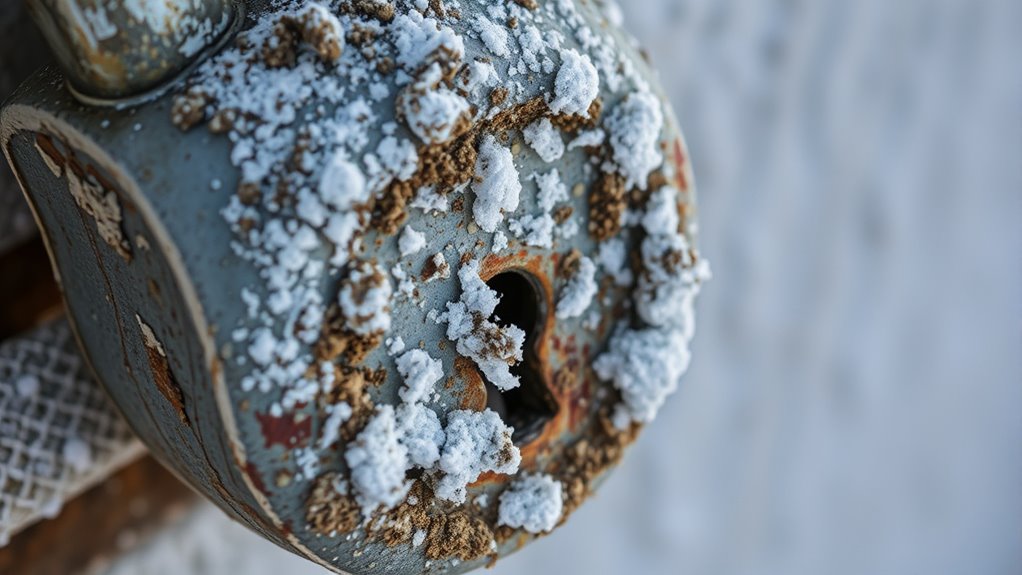
Regular lock maintenance is essential to guarantee your locks stay secure and function smoothly. Over time, dirt, salt, and moisture can accumulate, leading to corrosion and mechanical issues that compromise your lock’s security. One of the primary concerns is rust, which not only weakens the metal but also makes the lock harder to operate. To prevent this, focusing on rust prevention is key. Applying a thin layer of lubricant designed for locks creates a protective barrier that repels moisture and prevents corrosion. When you perform lock maintenance, always start by cleaning out dirt and debris with a gentle brush or compressed air. This removes particles that can cause friction or trap moisture, setting the stage for smooth operation. After cleaning, use appropriate lubrication techniques to assure your lock stays in top shape. Avoid using general household oils or WD-40, as these can attract dirt or evaporate quickly, leaving your lock vulnerable. Instead, opt for a graphite powder or a silicone-based lubricant, which are specifically formulated for locks and provide long-lasting protection. To apply the lubricant, insert the nozzle into the keyhole or latch and give a few short sprays or dustings. Then, insert and turn the key several times to distribute the lubricant evenly throughout the mechanism. This helps reduce friction between moving parts, making it easier to lock and release without exerting excessive force. Regularly repeating this process, especially before winter or after exposure to salty environments, will substantially extend your lock’s lifespan. If you notice stiffness or difficulty turning the key, don’t force it; instead, reapply lubricant and give it a few more turns. Over time, dirt and salt can work their way into the internal components, causing corrosion and wear. By consistently practicing good lubrication techniques and staying vigilant about rust prevention, you secure your locks remain reliable and secure. Remember, neglecting maintenance can lead to expensive replacements or security risks, especially if you find yourself locked out or unable to secure your property. The effort you put into routine cleaning and lubrication pays off by maintaining the lock’s integrity and functionality. Ultimately, staying proactive with lock care isn’t just about avoiding inconvenience; it’s about safeguarding your home, vehicle, or belongings against preventable damage caused by dirt, salt, and corrosion. Making these simple maintenance habits part of your routine helps you avoid costly repairs and keeps your locks working smoothly when you need them most. Incorporating proper lubrication methods into your routine is vital for long-term lock performance and security.
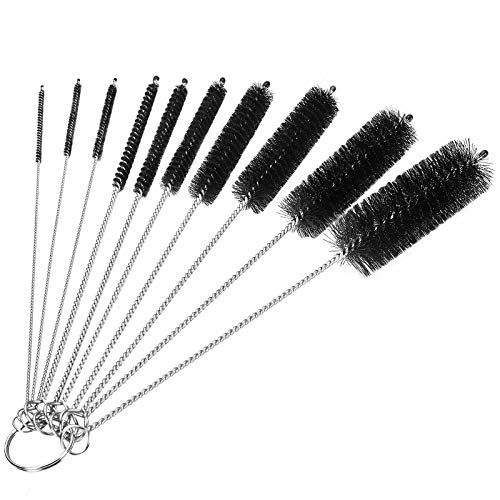
CiaraQ Bottle Cleaning Brushes, 8 Inch Nylon Tube Brush Set
- Key ring for easy storage: All brushes attach to a key ring
- Variety of sizes: 10 different diameters for versatile cleaning
- Deep cleaning reach: 8-inch length for tight spaces
As an affiliate, we earn on qualifying purchases.
As an affiliate, we earn on qualifying purchases.
Frequently Asked Questions
How Often Should I Lubricate My Lock?
You should lubricate your lock at least once a year as part of your maintenance schedule. Regular lock lubrication helps prevent dirt, salt, and debris from building up, which can cause sticking or jamming. If you notice the lock is hard to turn, apply a small amount of high-quality lubricant. This routine maintenance keeps your lock functioning smoothly and extends its lifespan, saving you from costly repairs later on.
Can Weather Damage Locks Even Indoors?
Did you know indoor humidity levels can reach 60%, causing lock corrosion? Yes, weather can damage locks even indoors. Excess moisture from high humidity promotes rust, which weakens the lock’s internal components. So, if your home has poor ventilation or damp conditions, your locks are at risk. Regular maintenance, like lubrication and keeping humidity in check, helps prevent indoor weather damage and prolongs your lock’s lifespan.
What Are Signs My Lock Needs Professional Repair?
You’ll know your lock needs professional repair if you notice signs like lock corrosion or key jamming. Corrosion often appears as rust or a buildup that hampers movement, while key jamming indicates internal issues or debris. When these problems persist despite cleaning, it’s time to call an expert. Addressing these signs early can prevent further damage and keep your lock functioning smoothly.
Are There Eco-Friendly Lock Cleaning Options?
Imagine a lock gleaming clean, not from harsh chemicals but eco-friendly solvents that respect nature. You can use biodegradable cleaners that effectively remove dirt and salt without harming the environment. These eco-friendly options are safe for your lock and the planet, offering a sustainable way to maintain your lock’s function. Choose biodegradable cleaners and eco-friendly solvents to keep your lock in top shape while protecting the environment around you.
How Do I Prevent Lock Theft or Tampering?
To prevent lock theft or tampering, prioritize lock security by installing high-quality, tamper-resistant locks. Use a sturdy lock cover or shield to deter unauthorized access, and make sure your lock is properly lubricated and maintained. Regularly inspect for signs of tampering, and consider adding security features like a door alarm or surveillance camera. These steps help strengthen tampering prevention and keep your property safe from intruders.

CRC Water Based Silicone 03035 – 13 Wt Oz, Heavy Duty Silicone Lubricant w/Perma-Lock 2-Way Integrated Actuator
- Brand: CRC Industries
- Type: Water-based silicone lubricant
- Safety: Non-flammable, NSF H1 registered
As an affiliate, we earn on qualifying purchases.
As an affiliate, we earn on qualifying purchases.
Conclusion
To keep your lock in top shape, don’t let dirt and salt build up like a slow poison. Regular cleaning and lubrication act as a shield, preventing corrosion from sneaking in and causing damage. Think of your lock as a delicate treasure that needs your care—neglect it, and it’ll become a rusty relic. Stay vigilant, clean often, and your lock will stay reliable, standing guard like a loyal guardian for years to come.

22-Piece Automotive Repair Kit for routine vehicle maintenance
- Complete 22-Piece Kit: Includes essential tools for vehicle maintenance
- Durable Materials: Made of steel and aluminum alloy
- Portable Carry Bag: Convenient storage and transport of tools
As an affiliate, we earn on qualifying purchases.
As an affiliate, we earn on qualifying purchases.
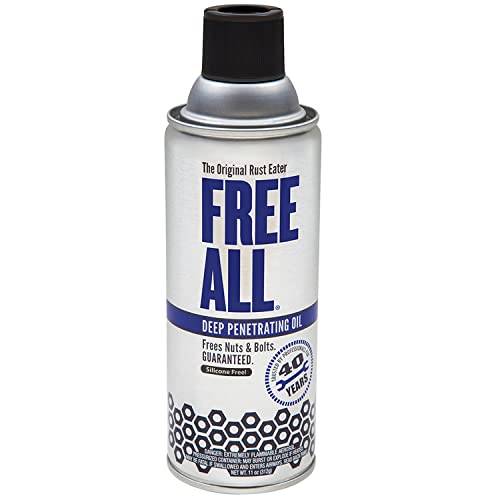
Free All Rust Eater Deep Penetrating Oil, 11 oz Aerosol – Loosens Rusted Bolts, Nuts, Pipe Connections & Locks – Industrial-Grade Rust Remover, Silicone-Free Lubricant, Safe on Paint, Plastic Surfaces
- Advanced Rust Penetration: Dissolves rust at the molecular level
- Multi-Surface Safe: Safe on paint, plastic, and delicate surfaces
- Effortless Application: Easy spray for quick rust removal
As an affiliate, we earn on qualifying purchases.
As an affiliate, we earn on qualifying purchases.