To effectively document your e-bike for insurance, start by taking clear, high-quality photos from multiple angles—front, back, sides, and top—to capture its overall condition. Focus on details like the serial number, battery, motor, and accessories, and photograph any existing damage or wear. Keep organized records of receipts and maintenance. Storing digital copies securely and updating photos regularly helps guarantee your bike is well protected. Continue with us to learn more helpful tips.
Key Takeaways
- Take clear, high-quality photos from multiple angles, including front, back, sides, and top, to capture the bike’s overall condition.
- Photograph the serial number and unique features like motor, battery, and accessories for easy identification.
- Document existing damage, scratches, or dents with detailed images before any incidents occur.
- Keep digital and physical copies of purchase receipts, maintenance records, and warranty documents for proof.
- Store photos securely in cloud storage and update images regularly to reflect current bike condition.

Getting your e-bike properly documented for insurance is essential to guarantee you’re protected in case of theft, damage, or accidents. The key to smooth claims and quick reimbursements lies in thorough, accurate documentation. When it comes to bike safety and theft prevention, having clear, detailed photos of your e-bike can make all the difference. These images serve as crucial proof of ownership and the bike’s condition before an incident occurs, reducing disputes and speeding up the claims process.
Start by taking high-quality photos from multiple angles. Capture the front, back, sides, and top of your e-bike. Make sure the images are well-lit and in focus, so every detail is visible. Highlight unique features like the motor, battery, frame serial number, and any distinguishing marks or accessories. These details are vital for theft prevention, as they help authorities and insurers identify your bike quickly if it’s stolen. For added security, photograph the serial number clearly—often located on the frame or underside—so it’s easily accessible when needed.
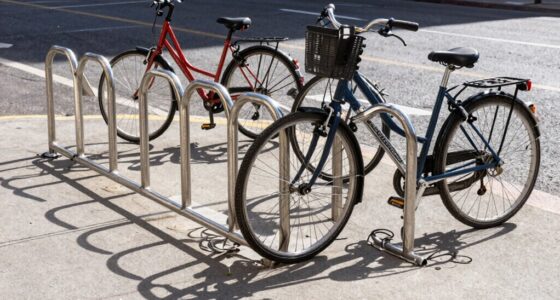
Take clear, detailed photos from multiple angles, highlighting serial numbers and unique features for easy identification.
In addition to general photos, document any existing damage or wear. This includes scratches, dents, or broken components. Having visual proof of the bike’s condition before an incident can prevent false claims or disputes about pre-existing damage. It also emphasizes your commitment to bike safety, showing that you’ve kept the e-bike in good condition and are diligent about its maintenance.
To further bolster your documentation, keep copies of your purchase receipt, warranty details, and any maintenance records. These documents support your claim and establish proof of ownership. For theft prevention, consider installing a GPS tracker on your e-bike and taking photos of it in place. This proactive step not only enhances theft prevention but also provides additional proof that can assist in recovery efforts. Additionally, choosing a high-quality home security system can further protect your bike and property.
Finally, store these photos in a secure, easily accessible location—preferably both digitally and physically. Cloud storage ensures you can access them anywhere, especially if your device is lost or stolen. Maintaining up-to-date documentation, including recent photos after repairs or modifications, keeps your insurance file current and comprehensive.
Frequently Asked Questions
How Often Should I Update My E-Bike Photos for Insurance?
You should update your e-bike photos at least every six months or after any major maintenance or modifications. Regularly updating photos corresponds with your maintenance schedule and reflects your current riding habits. If you change accessories or experience damage, update the images promptly. This proactive approach ensures your insurance records are accurate, making claims smoother and protecting your coverage should you need to file one.
What Specific Angles Are Best for E-Bike Photos?
You should take e-bike photos from multiple angles, including front, side, and rear views, to clearly show all bike accessories and details. Make sure lighting conditions are ideal—bright but not harsh—to avoid shadows or reflections that obscure features. Capture close-ups of unique components, serial numbers, and any accessories like lights or racks. These angles and details give insurance companies a complete view, making your documentation more effective.
Should I Include Serial Numbers in My Documentation?
Yes, you should include serial numbers in your documentation—you don’t want to lose your e-bike’s identity in a sea of bikes. Serial number tracking is essential for accurate insurance claim documentation, helping prove ownership and verify details quickly. Take clear photos of the serial number from different angles to make it easily visible. This simple step can save you hours and headaches if you ever need to file a claim.
Can I Use a Smartphone to Photograph My E-Bike?
Yes, you can definitely use a smartphone camera to photograph your e-bike. Modern smartphones offer excellent photo quality, capturing detailed images that are perfect for insurance documentation. Make sure to take clear, well-lit photos from multiple angles, including close-ups of serial numbers and unique features. Avoid blurry or dark images, and verify your shots highlight key details, so your insurance claim has the best possible evidence.
How Do I Organize Photos for Easy Access During Claims?
Imagine opening a dedicated folder on your device, each photo neatly labeled with storage tips like “Frame,” “Wheels,” and “Accessories.” Use photo editing to highlight key features or damage, making details pop. Organize your images chronologically or by component, so during claims, you can quickly find what you need. This system keeps your documentation accessible, clear, and ready whenever you need it most.
Conclusion
By capturing clear, detailed photos of your e-bike’s unique features and any existing damage, you create a vivid snapshot that tells your story when it matters most. Imagine sliding your phone into your pocket, knowing those images are your digital shield against surprises. As sunlight glints off your bike’s frame, you’ll feel confident, prepared, and protected—ready to face any twists in the road with peace of mind.