To effectively lock your bike so the frame and other parts are protected, use multiple locks or heavy-duty cables to secure both wheels and the frame simultaneously. Enclose the frame and one wheel within a sturdy U-lock or chain lock, and lock the other wheel and seat separately. Secure your bike to a solid, immovable object in a busy, well-lit area. If you want to make your bike even safer, keep exploring more expert tips.

Get bike and ride gear delivered free with Prime
- Fast, free delivery on millions of items
- Prime Video, Amazon Music and more included
- Member-only deals all year
Key Takeaways
- Use multiple locks, including U-locks and heavy-duty cables, to secure both wheels, frame, and other vulnerable components.
- Enclose the frame and at least one wheel within a high-quality lock to prevent quick theft.
- Lock the bike to a sturdy, immovable object, ensuring the lock placement minimizes leverage and manipulation.
- Remove or lock quick-release wheels and seats to prevent easy removal.
- Park in well-lit, busy areas with high foot traffic to deter thieves from targeting accessible parts.

When locking your bike, it’s tempting to focus solely on the frame, but thieves often target less protected parts like wheels and seats. To truly safeguard your bike, you need to think beyond just locking the frame. Understanding bike lock types is essential because different locks offer varying levels of security. U-locks and hardened steel chain locks are generally more resistant to cutting than cable locks, which thieves can often slice through quickly. Combining lock types can provide an extra layer of theft prevention tips, making it more difficult for thieves to target vulnerable parts.
Secure both your bike frame and vulnerable parts using strong locks and smart placement strategies.
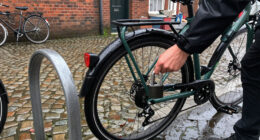
You should aim to lock your bike in a way that secures the frame, wheels, and the locking mechanism itself. For example, when using a U-lock, position it so that it encloses the frame and one wheel, and secure it to a sturdy, immovable object like a bike rack or a solid pole. If possible, lock both wheels to the frame and the immovable object using a second lock or a heavy-duty cable lock. This way, thieves can’t simply detach the wheels or seats and walk away with parts of your bike. If your bike has quick-release wheels or seats, make sure to lock or remove these components to prevent easy theft.
In addition to the type of lock, applying theft prevention tips like parking in well-lit, busy areas also plays a crucial role. Thieves prefer less conspicuous places where they can work undisturbed. Always secure your bike in locations with high foot traffic, where there’s a better chance someone will notice suspicious activity. When locking your bike, avoid places where the lock can be easily manipulated or cut, such as isolated alleyways or flimsy bike racks. Using multiple locks that secure different parts of your bike can serve as a deterrent, as it signals to thieves that stealing your bike will take longer and require more effort. Recognizing common theft techniques can help you better protect your property. Additionally, investing in high-quality locks can make a significant difference in deterring theft. Being aware of common theft methods and how thieves operate can further enhance your bike security.
Another useful tip is to familiarize yourself with bike security best practices, which are often updated as thieves develop new techniques. By understanding bike lock types and following theft prevention tips, you significantly reduce the risk of losing your bike or parts of it. Remember, a well-locked bike that secures not just the frame but also the wheels and other vulnerable parts is far less appealing to thieves.
As an affiliate, we earn on qualifying purchases.
Frequently Asked Questions
What Are the Best Types of Locks for Different Bike Parts?
You should choose lock types based on the bike parts you want to protect and the security level needed. For high-value components like wheels and seats, use U-locks or hardened chain locks, which provide strong locking techniques against theft. For frames, cable locks offer flexibility, but combine them with heavier locks for better security. Always secure multiple parts with different lock types to make theft more difficult.
How Can I Secure My Bike Quickly in Busy Areas?
In busy areas, you can secure your bike quickly by choosing a bike rack compatible with sturdy locks like U-locks or chains. Position your lock through the frame and rear wheel, avoiding the front wheel if possible. Use lock placement strategies that make it difficult for thieves to leverage tools. Visualize a thief struggling to untangle themselves, ensuring your bike stays safe and secure while you’re away.
Are There Specific Locks Recommended for High-Theft Areas?
In high-theft areas, choose heavy-duty U-locks or chain locks that resist cutting. Use proper locking techniques by securing both the frame and a wheel to a sturdy, immovable object, ensuring the lock is tight and inaccessible. Place the lock high off the ground to make leverage difficult. Combining these strategies, you greatly reduce theft risks, making your bike much harder to steal.
How Do I Prevent Wheel Theft Separately From the Frame?
You can prevent wheel theft by using a dedicated wheel lock, which secures the wheel directly and deters thieves. Pair this with tire protection, like locking skewers or quick-release lever locks, to make removal even harder. Always lock both wheels to a sturdy, immovable object, and consider using wheel locks on each tire for maximum security. This approach effectively keeps your wheels safe from theft.
What Maintenance Is Needed to Keep My Lock Effective?
To keep your lock effective, perform regular lock maintenance by cleaning it with a damp cloth to remove dirt and debris. Check for rust or corrosion and apply lubricant to moving parts to guarantee smooth operation. Use proper locking techniques, like securing both the frame and wheels, to enhance security. Regularly inspect your lock for signs of wear or damage, and replace it if you notice any weaknesses to prevent theft.
As an affiliate, we earn on qualifying purchases.
Conclusion
Think of your bike as a treasure chest, filled with memories and adventures. Just as you’d secure a treasure with multiple locks, don’t rely on just the frame—lock the wheels, seat, and handlebars too. Each lock is a guard, protecting your precious cargo from thieves. When you lock your bike wisely, you’re not just securing metal; you’re safeguarding your journeys, your stories, and the freedom that riding brings. Lock smart, ride free.
As an affiliate, we earn on qualifying purchases.
lock for quick-release bike wheels
As an affiliate, we earn on qualifying purchases.
As an affiliate, we earn on qualifying purchases.
Fall Picks
fall essentials
As an affiliate, we earn on qualifying purchases.