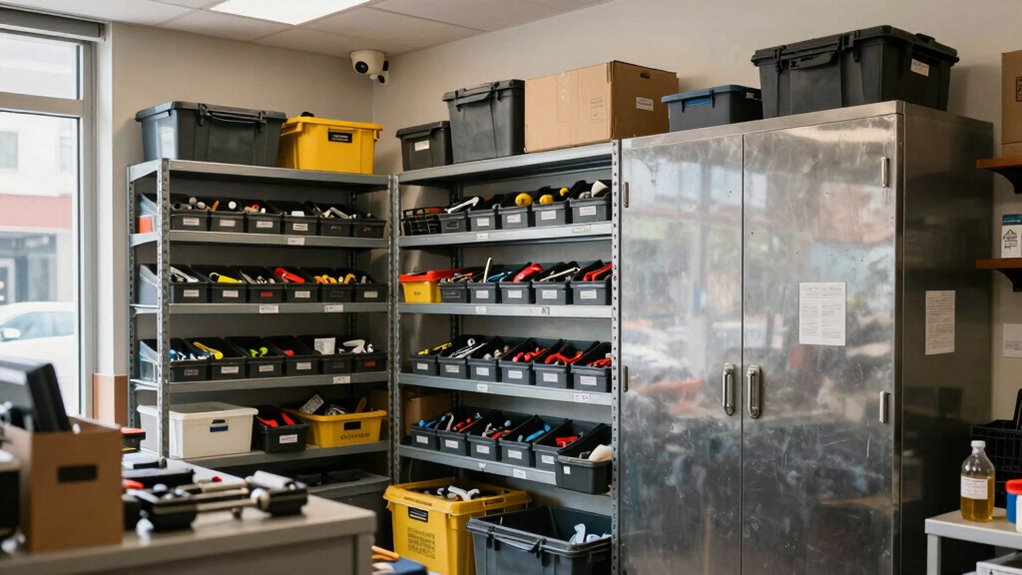

Today, focus on photographing all valuable items with clear, high-quality images in good lighting—use natural or diffused light to highlight details. Take multiple angles, close-ups of serial numbers, logos, scratches, or markings, and keep backgrounds simple. Be consistent with your setup, documenting context and environment thoroughly. Proper lighting, composition, and detailed records now make theft recovery easier later. Keep exploring these tips to guarantee you’re fully prepared for a smooth recovery process.

Get bike and ride gear delivered free with Prime
- Fast, free delivery on millions of items
- Prime Video, Amazon Music and more included
- Member-only deals all year
Key Takeaways
- Photograph all serial numbers, logos, and unique markings on valuables with high resolution and proper lighting.
- Capture multiple angles of each item, including top, side, and close-up shots for comprehensive documentation.
- Use consistent lighting and backgrounds to create clear, standardized images for easier recognition.
- Record the environment and context of each photo to provide useful details for authorities.
- Ensure photos are well-lit, sharp, and free of shadows to maximize identification accuracy during recovery.
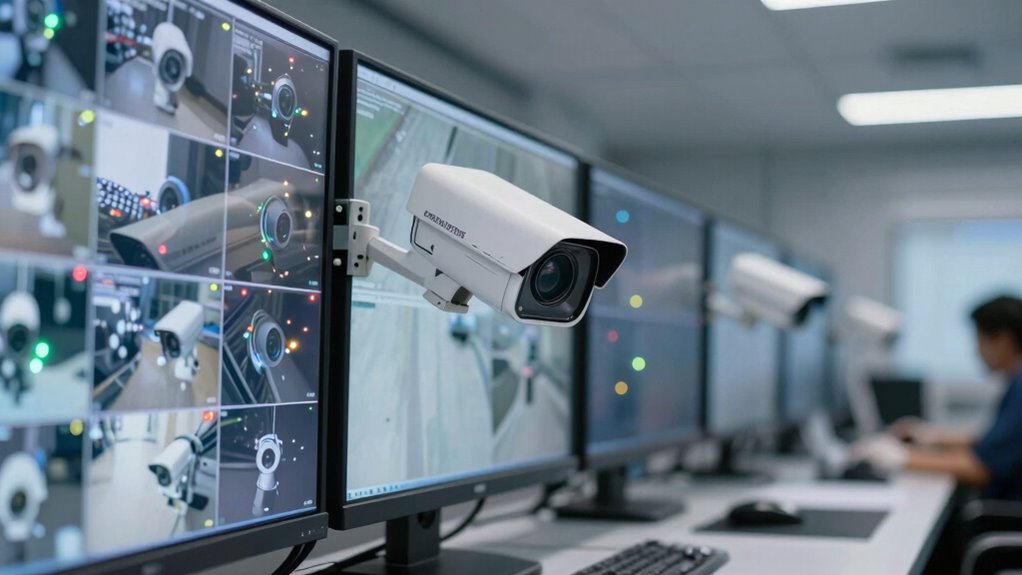
Have you ever wondered how a simple photo can make a big difference in recovering stolen property? When it comes to theft recovery, the clarity and quality of your images matter more than you might think. You want to capture details that can help authorities identify the thief or the stolen items easily. To do this, start with effective lighting techniques. Natural light is your friend—shoot outdoors during the day when sunlight creates even, bright illumination. If you’re photographing indoors, use multiple light sources to eliminate shadows and highlight essential features. Avoid harsh overhead lighting that can cast unhelpful shadows or wash out details. Instead, soft, diffused light helps reveal textures, markings, and subtle details that might be lost otherwise. Keep the environment well-lit, ensuring all angles are visible and nothing important is hidden in darkness or shadow.
Beyond lighting, composition tips are essential for creating impactful photos. Position your subject—be it the stolen item, serial numbers, or distinctive marks—front and center, with enough space around it to capture context. Use the rule of thirds to align key features along gridlines, which guides the viewer’s eye and emphasizes important details. Focus sharply on the most identifying features—serial numbers, logos, scratches, or unique markings—making sure they’re in clear view. Avoid cluttered backgrounds that can distract from the main subject; instead, opt for simple, clean backgrounds that contrast with the item. This allows details to stand out and makes the photo more useful for identification. Take multiple shots from different angles—top, side, close-up—to give a detailed view.
Additionally, consider the importance of consistency. Using the same lighting setup and angles for items or environments you’re documenting repeatedly helps create a reliable record. When authorities review these photos, they’ll appreciate the clear, standardized images that minimize ambiguity. Establishing proper documentation methods can help streamline the process and improve the chances of recovery. Proper lighting techniques and thoughtful composition aren’t just aesthetic choices—they’re essential tools in your toolkit for theft recovery. Your images should tell a story at a glance, making it easier for law enforcement and recovery teams to recognize stolen property without confusion or delay. Good documentation practices, including consistent photography, can significantly improve the chances of a successful recovery. Also, maintaining a detailed record of each photo’s context and environment can further aid in identification and verification. Properly documenting details ensures that all relevant information is captured accurately. By taking the time to get your lighting right and following composition tips, you set yourself up for a smoother recovery process tomorrow.
Popular right now

Samsung 48 4K OLED Smart TV (2026) with WireLogic 8ft Ultra High Speed HDMI Cable

Sony WH-1000XM5 Premium Noise Cancelling Wireless Headphones – Midnight Blue

Vitamix VX1 Professional-Grade Blender, 64 oz, Black
As an affiliate, we earn on qualifying purchases.
Frequently Asked Questions
How Often Should I Update My Photos for Theft Recovery?
You should update your photos every six months to guarantee they’re current for theft recovery. Regular updates help with insurance claims and legal documentation, providing accurate visuals of your belongings. Fresh photos make it easier to prove ownership and item condition, increasing your chances of recovery. Staying consistent with updates keeps your documentation reliable, making theft recovery less stressful and more effective should the worst happen.
Are There Specific Angles That Improve Identification?
Using angle variations enhances identification techniques by capturing your belongings from multiple perspectives. You should photograph key features like serial numbers, unique markings, or logos from different angles—top, side, and close-ups—to create a thorough record. This approach makes it easier for authorities to identify stolen items later. Consistently updating these photos and maintaining clear, well-lit images also improve your chances of successful theft recovery.
What Lighting Conditions Are Best for Photographing Valuables?
Think of photographing valuables like shining a spotlight on a star; the right lighting makes all the difference. Natural light, especially during golden hour, offers soft, even illumination that highlights details beautifully. When natural light isn’t available, artificial lighting with diffusers can prevent harsh shadows and reflections. You’ll want to guarantee consistent, well-lit shots, making identification easier and theft recovery smoother. Proper lighting captures true colors and textures, crucial for accurate identification.
Should I Include Identifiable Background Features in Photos?
Yes, include identifiable background features in your photos. Background details can help verify the item’s origin and provide context, making theft recovery easier. Avoid overly cluttered backgrounds that distract from the valuables, but guarantee key identifiable features are visible. Clear, focused shots of distinctive markings or surroundings can be essential if you need to prove ownership later. This way, your photos serve as effective evidence for theft recovery efforts.
How Do I Securely Store and Back up These Images?
You should securely store and back up your images using digital storage and cloud backups. Save copies on an external hard drive or USB drive, and upload your photos regularly to a reputable cloud service like Google Drive or Dropbox. This way, even if your device is stolen or damaged, your images remain safe and accessible. Always encrypt sensitive files and enable two-factor authentication for added security.
Conclusion
So, next time you’re tempted to skip that camera shot, remember: a few quick photos today could save you from a mountain of legal headaches tomorrow. Who knew that snapping a few mundane details could turn you into the hero of your own theft saga? Trust me, it’s more fun than arguing with insurance companies—plus, you get bragging rights for being the clever photographer who’s always one step ahead. Smile, you’re ready for anything!