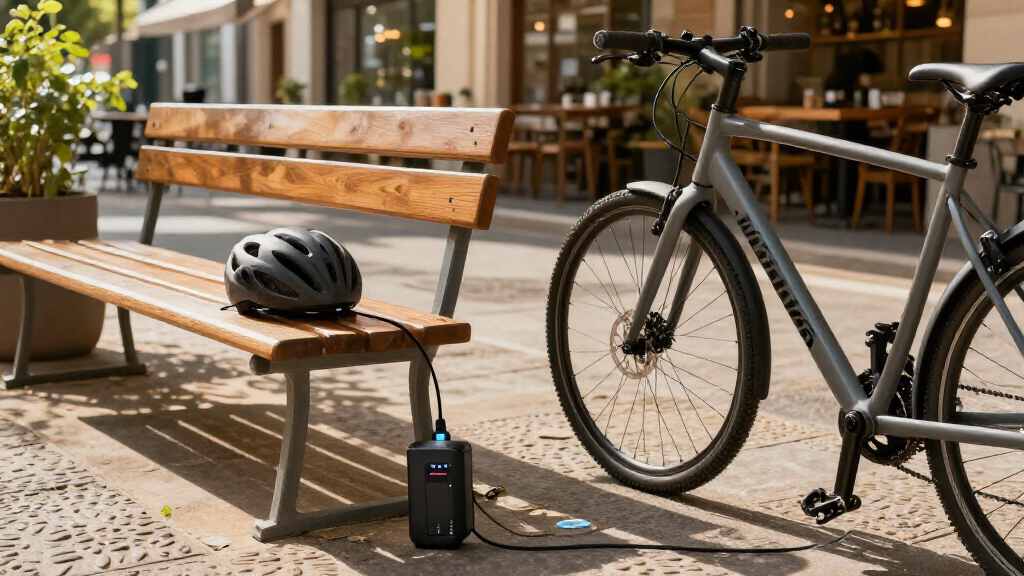

For most riders with a 48V lithium battery, my best overall pick is the Hyleton UL-Certified 54.6V 3A Charger, which charges faster than the 2A alternatives when the battery and bike support that rate. The Hyleton 54.6V 2A UL-listed charger is a more conservative choice, while the QKIIP 2A charger with seven plug tips offers extra connector options for compatible setups. The main tradeoffs are charging speed, connector fit, and matching the charger’s voltage and battery chemistry—not the number of tips alone. A 36V battery needs a different charger output from a 48V battery, so check the battery label before choosing. Read on for the full comparison, buying advice, and answers to common compatibility questions.

Get bike and ride gear delivered free with Prime
- Fast, free delivery on millions of items
- Prime Video, Amazon Music and more included
- Member-only deals all year
Key Takeaways
- The Hyleton 3A model is the speed-focused pick among these listings, but it only makes sense if the battery maker allows 3A charging; higher current is not automatically better.
- Most of the lineup is built around 48V lithium batteries and 54.6V output. That shared specification makes connector type and manufacturer approval key points of difference.
- Multi-tip kits offer flexibility, not guaranteed compatibility. The QKIIP’s seven tips and several five- or six-tip options still require an exact match for plug shape and polarity.
- The two 42V chargers serve a different battery class. Jucuwe and EVAPLUS models are listed for 36V lithium batteries, so they should not be substituted for the 48V chargers.
- UL-related claims help separate some picks, but labels are not a substitute for fit checks. Confirm the battery’s voltage, chemistry, charging-current limit, and connector before ordering any model.
| Hyleton 48V E-Bike Battery Charger, 54.6V 2A, UL Listed |  | Best Overall for Safety and Connector Flexibility | Compatible battery: 48V lithium-ion | Output: 54.6V, 2A | Input voltage: 100–240V | VIEW LATEST PRICE | See Our Full Breakdown |
| 54.6V 2A Electric Bike Charger for 48V Lithium Batteries, 5 Plugs |  | Best for Riders Needing Five Connector Options | Brand: Norward | Model: SJT-5462000 | Compatibility: 48V lithium batteries | VIEW LATEST PRICE | See Our Full Breakdown |
| Hyleton UL-Certified 54.6V 3A Charger for 48V Lithium E-Bike Batteries |  | Best for Faster Charging | Compatible battery: 48V lithium-ion e-bike batteries | Output: 54.6V, 3A | Input voltage: 110V | VIEW LATEST PRICE | See Our Full Breakdown |
| Brokeir 54.6V 2A UL-Certified Charger for 48V Electric Bike Batteries |  | Best for E-Bike and Scooter Compatibility | Compatible devices: Compatible 48V electric bikes and scooters with lithium batteries | Output: 54.6V, 2A | Wattage: 109.2W | VIEW LATEST PRICE | See Our Full Breakdown |
| 48V Electric Bike Charger, 54.6V 2A, with 5 Interchangeable Plugs |  | Best Compact Backup Charger | Compatible battery: 13S 48V lithium battery | Output: 54.6V, 2A | Input voltage: 110V | VIEW LATEST PRICE | See Our Full Breakdown |
| EVAPLUS 54.6V Charger for 48V Lithium Batteries |  | Best for Safety-Focused Buyers | Output: 54.6V, 1.5A (81.9W) | Battery compatibility: 48V (13S) lithium batteries | Input: 100–240V AC | VIEW LATEST PRICE | See Our Full Breakdown |
| QKIIP 54.6V 2A Charger for 48V E-Bike and Scooter Lithium Batteries with 7 Plug Tips |  | Best for Connector Variety | Output: 54.6V DC, 2A (109.2W) | Battery compatibility: 48V lithium-ion (13S) only | Input: 100–240V AC | VIEW LATEST PRICE | See Our Full Breakdown |
| 54.6V 2A Electric Bicycle Charger for 48V E-Bike Batteries |  | Best for Automatic Shutoff | Output: 54.6V, 2A | Battery compatibility: 48V 13S lithium-ion batteries | Input: 100–240V AC, 50/60Hz | VIEW LATEST PRICE | See Our Full Breakdown |
| Jucuwe 42V 2A Charger for 36V Electric Bike Batteries |  | Best for 36V Batteries | Output: 42V, 2A (84W maximum) | Battery compatibility: 36V lithium batteries | Input: 100–240V AC, 50/60Hz, 1.5A | VIEW LATEST PRICE | See Our Full Breakdown |
| 54.6V 2A Charger for 48V Lithium Batteries |  | Best for Heat Dissipation | Output: 54.6V DC, 2A | Input: 100–240V AC | Battery compatibility: Compatible 48V lithium batteries | VIEW LATEST PRICE | See Our Full Breakdown |
| 54.6V 2A Electric Bicycle Charger for 48V E-Bike Batteries with 6 Adapter Plugs |  | Best for Broad Connector Compatibility | Output: 54.6V DC, 2A | Input: 100–240V AC, 50/60Hz | Battery compatibility: 48V (13S) lithium-ion batteries only | VIEW LATEST PRICE | See Our Full Breakdown |
| Fancy Buying 7-in-1 54.6V 2A E-Bike Charger for 48V Lithium Batteries |  | Best for Long-Reach Charging | Output: 54.6V, 2A | Input: 100–120V | Battery compatibility: 48V (13S) lithium-ion batteries | VIEW LATEST PRICE | See Our Full Breakdown |
| EVAPLUS 42V 2A Charger for 36V Lithium Batteries |  | Best for Select 36V Scooter Batteries | Output: 42V, 2A | Input: 240V | Battery compatibility: 36V lithium batteries | VIEW LATEST PRICE | See Our Full Breakdown |
| electric bike battery charger | Output | Input | Battery compatibility |
|---|---|---|---|
| Hyleton 48V E-Bike Battery Cha | 54.6V, 2A | — | — |
| 54.6V 2A Electric Bike Charger | 54.6V, 2A | 120V AC, 50/60Hz | — |
| Hyleton UL-Certified 54.6V 3A | 54.6V, 3A | — | — |
| Brokeir 54.6V 2A UL-Certified | 54.6V, 2A | 100–240V, 50–60Hz | — |
| 48V Electric Bike Charger | 54.6V, 2A | — | — |
| EVAPLUS 54.6V Charger for 48V | 54.6V, 1.5A (81.9W) | 100–240V AC | 48V (13S) lithium batteries |
| QKIIP 54.6V 2A Charger for 48V | 54.6V DC, 2A (109.2W) | 100–240V AC | 48V lithium-ion (13S) only |
| 54.6V 2A Electric Bicycle Char | 54.6V, 2A | 100–240V AC, 50/60Hz | 48V 13S lithium-ion batteries |
| Jucuwe 42V 2A Charger for 36V | 42V, 2A (84W maximum) | 100–240V AC, 50/60Hz, 1.5A | 36V lithium batteries |
| 54.6V 2A Charger for 48V Lithi | 54.6V DC, 2A | 100–240V AC | Compatible 48V lithium batteries |
| 54.6V 2A Electric Bicycle Char | 54.6V DC, 2A | 100–240V AC, 50/60Hz | 48V (13S) lithium-ion batteries only |
| Fancy Buying 7-in-1 54.6V 2A E | 54.6V, 2A | 100–120V | 48V (13S) lithium-ion batteries |
| EVAPLUS 42V 2A Charger for 36V | 42V, 2A | 240V | 36V lithium batteries |
More Details on Our Top Picks
Hyleton 48V E-Bike Battery Charger, 54.6V 2A, UL Listed
I’d put the Hyleton 54.6V 2A near the top for riders who want a straightforward replacement charger with clear compatibility checks and several common connector options. Its three included connector types cover DC, 3-pin, and XLR connections, while overvoltage, overcurrent, short-circuit, and overheating protection offer more stated safeguards than the Norward charger, which lists short-circuit protection. The 2A output is a measured, standard-rate choice rather than a faster-charge option like Hyleton’s 3A model. An LED changes from red during charging to green when full or plugged in, and the charger can shut off or switch to trickle charging. I’d skip it if your battery isn’t a compatible 48V lithium-ion type; connector shape and battery chemistry both need checking before purchase.
Pros:- Three connector types cover DC, 12mm 3-pin, and 18mm XLR connections.
- Lists protection against overvoltage, overcurrent, short circuits, and overheating.
- LED charging status and automatic shutoff or trickle charging help track charging completion.
- Includes a velvet storage bag.
Cons:- Limited to compatible 48V lithium-ion batteries.
- The 2A output is slower than the 3A Hyleton alternative.
- Buyers must verify the exact connector size before ordering.
Best for: Riders replacing a 48V lithium-ion charger who want several common connector choices and clearly listed electrical protections.
Not ideal for: Owners of lead-acid, LiFePO4, or non-48V batteries, and riders whose connector does not match one of the three included types.
- Compatible battery:48V lithium-ion
- Output:54.6V, 2A
- Input voltage:100–240V
- Connector types:5.5×2.5mm/2.1mm DC, 12mm 3-pin, 18mm XLR
- Safety features:Overvoltage, overcurrent, short-circuit, and overheating protection
- Indicator:Red while charging; green when plugged in or fully charged
- Certification:UL listed
- Included accessory:Velvet storage bag
Our verdict“Choose this Hyleton for a 48V lithium-ion battery when its connector fits and you prefer broad stated protections over faster 3A charging.”
54.6V 2A Electric Bike Charger for 48V Lithium Batteries, 5 Plugs
The Norward charger’s main advantage is its five connector options, which give it broader plug variety than the three-connector Hyleton 2A charger. That can help when replacing a charger for a compatible 48V lithium battery, but plug variety does not remove the need to match the battery’s voltage and charging requirements. Its 54.6V, 2A output is a conventional charging rate, and red/green indicator lights show whether charging is underway or complete. The listed protection is limited to short-circuit protection, so its safety-feature description is less extensive than Brokeir’s, which specifies several additional safeguards. It also uses a North American Type A plug and 120V AC input, making it less flexible for riders who need a wide-range input charger. Do not use it with a battery below 35.7V.
Pros:- Five connector options include DC, Xiaomi, aviation, and XLR-style plugs.
- Red and green indicator lights show charging status.
- Short-circuit protection is listed.
- Provides a standard 54.6V, 2A output for compatible 48V lithium batteries.
Cons:- Input is specified as 120V AC rather than a 100–240V range.
- Only short-circuit protection is stated, fewer listed safeguards than the Hyleton and Brokeir options.
- Must not be used with batteries below 35.7V.
Best for: North American riders with a compatible 48V lithium battery who need a choice among five listed connector styles.
Not ideal for: Riders outside the supported 120V AC setup, owners of other battery voltages, or anyone whose battery is below the stated 35.7V threshold.
- Brand:Norward
- Model:SJT-5462000
- Compatibility:48V lithium batteries
- Output:54.6V, 2A
- Input:120V AC, 50/60Hz
- Connectors:DC 5.5×2.2mm, 8mm Xiaomi, 12mm aviation, 18mm Cannon/XLR
- Protection:Short-circuit protection
- Power plug:Type A, 2-pin
- Weight:1.1 lb
Our verdict“Pick the Norward when its five plug styles match your 48V lithium battery and you have the specified North American power supply.”
Hyleton UL-Certified 54.6V 3A Charger for 48V Lithium E-Bike Batteries
For riders whose battery supports a higher charging current, this 3A Hyleton is the speed-focused choice in this group. Compared with the 2A Hyleton and Brokeir chargers, its higher output can shorten charging time, though actual results depend on battery capacity and charging limits. It includes adapters for DC, 3-pin, and XLR connections, plus UL certification and four stated protections: overvoltage, overcurrent, short circuit, and overtemperature. The LED indicator and automatic shutoff or trickle charging add useful status and end-of-charge handling. The tradeoff is strict compatibility: it is for 48V lithium-ion e-bike batteries, not lead-acid, LiFePO4, other voltage ratings, or the listed scooter and hoverboard categories. Check both the battery’s accepted current and connector before choosing it over a slower 2A unit.
Pros:- 3A output offers a higher charging current than the 2A models in this batch.
- Adapters cover DC, 12mm 3-pin, and 18mm XLR connections.
- UL certification and four listed electrical or temperature protections.
- LED status indication and automatic shutoff or trickle charging.
Cons:- Only compatible with 48V lithium-ion batteries.
- A 3A charger is unsuitable if the battery maker specifies a lower maximum charging current.
- Connector and battery-model compatibility still need verification.
Best for: Owners of compatible 48V lithium-ion e-bikes whose battery permits 3A charging and who want a higher-output replacement.
Not ideal for: Riders with batteries limited to 2A charging, non-48V or non-lithium-ion batteries, or scooter and hoverboard users.
- Compatible battery:48V lithium-ion e-bike batteries
- Output:54.6V, 3A
- Input voltage:110V
- Connector types:5.5×2.5mm/2.1mm DC, 12mm 3-pin, 18mm XLR adapters
- Certification:UL
- Protection features:Overvoltage, overcurrent, short-circuit, and overtemperature protection
- Dimensions:6.8×3.3×1.7 in
- Charging behavior:LED indicator; automatic shutoff or trickle charging when full
Our verdict“Choose this Hyleton over the 2A chargers only when your 48V lithium-ion battery accepts 3A input and the included adapter fits.”
Brokeir 54.6V 2A UL-Certified Charger for 48V Electric Bike Batteries
The Brokeir is the most versatile pick here by stated vehicle type: it supports compatible 48V lithium e-bike and scooter batteries, while the 3A Hyleton is described specifically for e-bikes and excludes scooters. Its five connector types and 100–240V input also make it more adaptable than the Norward, which specifies 120V AC. At 54.6V and 2A, it stays with the standard-rate charging approach rather than the faster Hyleton 3A option. Its listed protections include overvoltage, overcurrent, short circuit, overtemperature, reverse connection, and a fuse, along with automatic stopping when the battery is full. The key limit is battery chemistry: it is for lithium batteries, not lead-acid. I’d still match the connector and battery specifications rather than relying on the example bike models alone.
Pros:- Supports compatible 48V lithium e-bike and scooter batteries.
- Five connector types broaden fit across listed connections.
- 100–240V input suits a wider range of power supplies than the Norward’s specified 120V input.
- UL certification and multiple listed protections, including reverse-connection protection and a fuse.
Cons:- Not compatible with lead-acid batteries.
- Its 2A output is lower than the 3A Hyleton’s.
- Compatibility still depends on matching battery specifications and connector.
Best for: E-bike or scooter owners with a compatible 48V lithium battery who want five connector types and wide-range input.
Not ideal for: Owners of lead-acid or other-voltage batteries, or riders seeking a 3A charger for a battery that supports faster charging.
- Compatible devices:Compatible 48V electric bikes and scooters with lithium batteries
- Output:54.6V, 2A
- Wattage:109.2W
- Input:100–240V, 50–60Hz
- Connectors:Five universal connector types
- Charging mode:CC-CV
- Safety protections:Overvoltage, overcurrent, short circuit, overtemperature, reverse connection, fuse
- Certification:UL certified
- Model:JY-546200
Our verdict“Choose Brokeir if you need a 2A charger for a compatible 48V lithium e-bike or scooter and value broad input voltage and stated protections.”
48V Electric Bike Charger, 54.6V 2A, with 5 Interchangeable Plugs
This RQTFZ charger makes the most sense as a portable backup for a rider who has already confirmed compatibility: it weighs 15.04 ounces and includes five interchangeable plugs. That combination is easier to carry than the Norward charger, listed at 1.1 pounds, while keeping the same 54.6V, 2A output as several alternatives. Its protections cover overvoltage, overcurrent, short circuits, and overheating, and the listing includes UL certification. The tradeoff is thinner compatibility detail: it specifies a 13S 48V lithium battery but does not identify the individual plug types in the supplied data. Unlike the Brokeir, the listed compatible-device examples also span scooters, one-wheel boards, and Rad Power Bikes, so buyers should not assume a connector alone proves fit. Check voltage, battery requirements, and plug polarity before use.
Pros:- Lightweight at 15.04 ounces for carrying as a spare.
- Five interchangeable plugs provide multiple connection options.
- Lists overvoltage, overcurrent, short-circuit, and overheating protections.
- UL certification is stated.
Cons:- The supplied specifications do not name the five plug types or dimensions.
- Compatibility depends on matching the battery’s exact charging requirements and connector.
- Charging time and warranty details are not specified.
Best for: Riders seeking a lightweight spare for a confirmed-compatible 13S 48V lithium battery and connector.
Not ideal for: Buyers who need clearly named connector dimensions, detailed charging-time information, or a charger for a non-13S or non-lithium battery.
- Compatible battery:13S 48V lithium battery
- Output:54.6V, 2A
- Input voltage:110V
- Plugs:Five interchangeable plugs
- Ports:1
- Compatible-device examples:Electric bikes, scooters, one-wheel boards, Rad Power Bikes
- Dimensions:7×3×4 in
- Weight:15.04 oz
- Certification:UL
Our verdict“Pick this RQTFZ as a lightweight spare only after confirming your 13S 48V lithium battery matches its charging requirements and one of the plugs.”
EVAPLUS 54.6V Charger for 48V Lithium Batteries
I’d choose this EVAPLUS charger when verified safety features matter more than faster charging. Its 1.5A output is lower than the 2A QKIIP and other 2A options here, so charging may take longer; the listed estimate is approximately 4–6 hours, though actual time varies. In return, it offers UL certification, automatic shutoff, and protection against over-voltage, over-current, and short circuits. A red/green indicator makes charging status easy to check, and the 100–240V input suits travel between regions. The main compatibility catch is its 5.5mm x 2.5mm / 2.1mm connector: check the port and battery specifications before ordering. I’d skip it if charging speed is the priority.
Pros:- UL certification and automatic shutoff
- Protection against over-voltage, over-current, and short circuits
- Red and green indicators show charging status
- 100–240V AC input supports use across different regions
Cons:- 1.5A output is slower than the 2A QKIIP and comparable chargers
- Connector dimensions must match the battery port
- Listed charging time of 4–6 hours can vary with battery capacity and condition
Best for: 48V lithium e-bike or scooter owners who prefer a UL-certified charger with automatic shutoff and can accept a 1.5A charging rate.
Not ideal for: Riders who need faster charging than a 1.5A output provides, or whose battery port does not match the listed barrel connector.
- Output:54.6V, 1.5A (81.9W)
- Battery compatibility:48V (13S) lithium batteries
- Input:100–240V AC
- Connector:DC 5.5mm x 2.5mm / 2.1mm
- Safety:UL certified; over-voltage, over-current, and short-circuit protection; automatic shutoff
- Charging indicators:Red while charging; green when fully charged
- Charging time:Approximately 4–6 hours
- Warranty:12 months
Our verdict“Choose this EVAPLUS model for added safety credentials and automatic shutoff, not for the quickest charging.”
QKIIP 54.6V 2A Charger for 48V E-Bike and Scooter Lithium Batteries with 7 Plug Tips
The QKIIP is the most adaptable pick here for riders who don’t know which common charging tip their 48V bike uses. Its seven plug tips include barrel, XLR, RCA, and three-prong options, giving it broader connector coverage than the five-tip 54.6V charger for 48V lithium batteries in this lineup. The 2A output also exceeds the 1.5A EVAPLUS model, though charging speed still depends on battery capacity and charger compatibility. Multi-stage charging and several electrical protections add useful safeguards. That flexibility has limits: this charger is for 48V 13S lithium-ion batteries only, and a tip that physically fits may not confirm electrical compatibility. Check the battery label, original charger output, and port before use.
Pros:- Seven tips cover several common and less common connector styles
- 2A output is higher than the 1.5A EVAPLUS charger
- 100–240V AC input
- Protection against over-voltage, overload, over-current, overheating, and short circuits
Cons:- Compatible only with 48V 13S lithium-ion batteries
- Buyers must confirm the battery and connector match before charging
- The green indicator can mean fully charged, disconnected, or not charging
Best for: Owners of 48V 13S lithium e-bikes or scooters whose charging port may require a less common connector tip.
Not ideal for: Owners of lead-acid batteries, battery systems with a voltage other than 48V, or anyone unwilling to verify connector and battery specifications.
- Output:54.6V DC, 2A (109.2W)
- Battery compatibility:48V lithium-ion (13S) only
- Input:100–240V AC
- Connector tips:Seven: 5.5×2.1mm, 5.5×2.5mm, 9mm 3-prong, 12mm 3-prong, 8mm RCA, 3-pin XLR, and 3-prong female universal
- Safety protections:Over-voltage, overload, over-current, over-temperature, and short-circuit protection
- Charging indicator:Red while charging; green when fully charged, disconnected, or not charging
- Charging method:Multi-stage charging
Our verdict“Pick the QKIIP if connector choice is your main hurdle and your battery is confirmed as 48V 13S lithium-ion.”
54.6V 2A Electric Bicycle Charger for 48V E-Bike Batteries
This IJCUIJM charger suits riders who want automatic shutoff and temperature protection alongside a standard 2A charge for a compatible 48V battery. Like the QKIIP, it supplies 54.6V at 2A and includes seven connector options, but the product details identify a 5.5 x 2.1mm base plug plus six converters rather than listing seven separate tip types. That makes checking the exact port especially relevant. Its red/green indicators offer a quick status check, while SGS certification is listed. Compared with the lighter EVAPLUS 1.5A charger, this model provides higher output but is also listed at 1.1 lb. It is strictly for 48V 13S lithium-ion batteries, not lead-acid or other voltage systems.
Pros:- 2A output for compatible 48V 13S lithium-ion batteries
- Automatic shutoff with overvoltage, overcurrent, short-circuit, and temperature protection
- Seven plug options, including a 5.5 x 2.1mm DC plug and six converters
- SGS certification and red/green charging indicators are listed
Cons:- Not compatible with lead-acid batteries or other battery voltages
- At 1.1 lb, it is heavier than the 11.2-ounce EVAPLUS charger
- The correct adapter still depends on matching the battery’s charging port
Best for: 48V 13S lithium-ion e-bike owners who want a 2A charger with automatic shutoff and several connector options.
Not ideal for: Riders with lead-acid or non-48V batteries, or buyers seeking a particularly light charger for carrying on the bike.
- Output:54.6V, 2A
- Battery compatibility:48V 13S lithium-ion batteries
- Input:100–240V AC, 50/60Hz
- Connector options:Seven options: 5.5 x 2.1mm DC plug and six converters
- Protection:Overvoltage, overcurrent, short-circuit, and temperature protection
- Automatic shutoff:Yes
- Certification:SGS
- Dimensions and weight:1.5 x 2.5 x 6.6 in; 1.1 lb
Our verdict“Choose this IJCUIJM model if automatic shutoff and broad adapter coverage matter more than minimizing carry weight.”
Jucuwe 42V 2A Charger for 36V Electric Bike Batteries
Unlike the other 2A chargers in this group, the Jucuwe is built for a 36V lithium battery system, with a 42V output. That makes it the relevant choice for owners of compatible 36V bikes or scooters, while the QKIIP and IJCUIJM models are intended for 48V 13S batteries and must not be substituted. Its 78.7-inch cable gives some flexibility when the outlet is not close to the bike, and the red/green indicator shows charging status. Short-circuit, over-voltage, and over-current protection are included. The tradeoff is narrower connector flexibility: it uses a 5.5 x 2.1/2.5mm barrel connector, so port size needs checking. It is not for lead-acid batteries or lower-voltage systems.
Pros:- 42V, 2A output designed for compatible 36V lithium batteries
- 78.7-inch cable offers reach between the outlet and bike
- Short-circuit, over-voltage, and over-current protection
- One-year warranty and red/green charging indicators
Cons:- Not compatible with 48V battery systems or lead-acid batteries
- Barrel connector dimensions must be checked against the charging port
- Provides fewer connector options than the seven-tip QKIIP charger
Best for: Owners of compatible 36V lithium e-bikes or scooters who need a 42V, 2A charger with a long cable.
Not ideal for: Owners of 48V bikes, lead-acid batteries, or any battery whose charging port does not match the listed barrel connector.
- Output:42V, 2A (84W maximum)
- Battery compatibility:36V lithium batteries
- Input:100–240V AC, 50/60Hz, 1.5A
- Connector:DC barrel, 5.5 x 2.1/2.5mm
- Cable length:78.7 in (200 cm)
- Protection:Short-circuit, over-voltage, and over-current protection
- Weight:232g plus 48g power cable
- Warranty:1 year
Our verdict“Choose the Jucuwe only if your bike uses a compatible 36V lithium battery and 42V charging output.”
54.6V 2A Charger for 48V Lithium Batteries
This 54.6V charger stands apart through its aluminum heat-dissipation components, a useful design detail for buyers who prefer a charger built to manage heat during operation. Its 2A output matches the QKIIP and IJCUIJM models, while its five barrel-jack plugs offer less connector variety than either seven-tip option. The tips cover several barrel sizes, but they do not replace checking the battery’s voltage and port. The charger also lists protection against overvoltage, overcurrent, short circuits, and temperature issues, plus a red/green indicator. It is described for compatible 48V lithium batteries and other listed electric devices, but the supplied details do not specify a 13S configuration as clearly as the QKIIP does. I’d verify the battery label and original charger output before use.
Pros:- Aluminum components are specified for heat dissipation
- 2A output with 100–240V AC input
- Five barrel-jack plug sizes included
- Overvoltage, overcurrent, short-circuit, and temperature protection
Cons:- Five plug options provide less connector variety than the seven-tip QKIIP
- Compatibility depends on matching both battery voltage and charging port
- Indicator turns green when fully charged, disconnected, or not charging
Best for: Owners of compatible 48V lithium batteries who want a 2A charger with aluminum heat-dissipation components and multiple barrel-jack sizes.
Not ideal for: Riders whose device needs a non-barrel connector, a different battery voltage, or the broader connector selection offered by the QKIIP or IJCUIJM.
- Output:54.6V DC, 2A
- Input:100–240V AC
- Battery compatibility:Compatible 48V lithium batteries
- Connector types:Five barrel-jack plugs: 5.5×2.5mm, 5.5×2.1mm, 8mm, 9mm, and 12.5mm
- Safety protections:Overvoltage, overcurrent, short-circuit, and temperature protection
- Heat management:Aluminum heat-dissipation components
- Dimensions:6.5 x 1.5 x 2.5 in
- Indicator:Red while charging; green when fully charged, disconnected, or not charging
Our verdict“Pick this charger for its heat-dissipation design if your 48V lithium battery and barrel port match its specifications.”
54.6V 2A Electric Bicycle Charger for 48V E-Bike Batteries with 6 Adapter Plugs
I’d choose the VEXLORA CT-1250 when a 48V battery’s plug is the main uncertainty: its six interchangeable adapters cover more connector options than a basic single-plug charger, while its 54.6V, 2A output is suited to compatible 48V (13S) lithium-ion packs. The red-to-green status light gives a simple charging cue, and protections for over-voltage, over-current, overheating, short circuits, and overload add useful safeguards. Compared with the Fancy Buying 7-in-1, VEXLORA has one fewer interchangeable head, but its listed 100–240V input supports a wider range of mains supplies. The tradeoff is a modest 2A charging rate and strict battery compatibility: it is not for 36V packs or lead-acid batteries. I’d match the connector and battery chemistry before buying.
Pros:- Six interchangeable adapter plugs help match different compatible battery connectors.
- 100–240V AC input suits a broad range of mains supplies.
- LED changes from red while charging to green when charging is complete.
- Multiple electrical and temperature protections, plus a UL94 V-0 housing.
Cons:- Limited to compatible 48V (13S) lithium-ion batteries.
- The 2A output may charge more slowly than higher-current options.
- Connector variety does not remove the need to verify the battery’s exact plug and specifications.
Best for: Riders with a confirmed 48V (13S) lithium-ion battery who need several adapter options and may charge from different mains voltages.
Not ideal for: Owners of 36V or lead-acid batteries, or riders who need a faster charge than a 2A output provides.
- Output:54.6V DC, 2A
- Input:100–240V AC, 50/60Hz
- Battery compatibility:48V (13S) lithium-ion batteries only
- Connector:5.5 × 2.1 mm DC connector with 6 interchangeable adapters
- Safety features:Over-voltage, over-current, short-circuit, over-temperature, and overload protection; UL94 V-0 housing
- Charging indicator:Red while charging; green when fully charged
- Dimensions:6 × 2 × 3 in
- Warranty:1 year
Our verdict“Pick the VEXLORA if your confirmed 48V lithium battery needs a flexible adapter set and wide-range input, but skip it for other battery voltages or chemistry.”
Fancy Buying 7-in-1 54.6V 2A E-Bike Charger for 48V Lithium Batteries
The Fancy Buying 7-in-1 stands out for its 8.2-foot cable, which can make charging easier when the outlet is not close to the bike. Its seven interchangeable heads also offer one more connector option than the VEXLORA CT-1250, making it a useful candidate for riders with compatible 48V batteries and less common plugs. Both chargers provide 54.6V at 2A, so neither is a faster-charging choice. Fancy Buying adds a cooling fan and protections against over-voltage, over-current, temperature issues, and short circuits; the fan’s operating noise is a tradeoff rather than a fault. Its input is listed as 100–120V, narrower than VEXLORA’s 100–240V range. I’d favor it for cable reach, but only after checking the exact connector and battery specifications.
Pros:- Eight-point-two-foot cable provides more reach between the outlet and bike.
- Seven interchangeable heads offer a broad selection of connector types.
- Built-in protections cover over-voltage, over-current, temperature, and short circuits.
- Cooling fan supports operation during charging.
Cons:- Compatible only with 48V (13S) lithium batteries, not 36V or lead-acid packs.
- Cooling fan noise is normal during operation.
- Listed 100–120V input is narrower than the VEXLORA CT-1250’s 100–240V input.
Best for: Owners of compatible 48V (13S) lithium batteries who need a longer cable to reach an outlet and want several connector heads.
Not ideal for: Riders who need 36V or lead-acid compatibility, a quiet fanless charger, or support for mains input beyond the listed 100–120V range.
- Output:54.6V, 2A
- Input:100–120V
- Battery compatibility:48V (13S) lithium-ion batteries
- Interchangeable heads:7
- Connector types:5.5 × 2.1 mm, RCA, 3P-GX12, 3P-GX16, 3P-XLR, and 3P plug
- Cable length:8.2 feet
- Features:Cooling fan, LED indicator, over-voltage/current/temperature and short-circuit protection
- Model:LW-110/200/546/014
Our verdict“Choose Fancy Buying if cable reach and seven connector heads matter more than quiet operation or broad input-voltage support.”
EVAPLUS 42V 2A Charger for 36V Lithium Batteries
The EVAPLUS 42V 2A fills a different role from the VEXLORA and Fancy Buying chargers: it is designed for compatible 36V lithium batteries, not the 48V packs those two charge. That distinction makes output voltage the first compatibility check, while its three connector options target select scooters and devices such as Pocket Mod and Sports Mod. Its compact, lightweight body is easier to store than a larger multi-adapter setup, and SGS certification plus short-circuit, over-current, and over-voltage protection are useful listed safeguards. The tradeoffs are a narrower device fit and no compatibility with Hover-1 Ranger or Jetson scooters using a 3-pin XLR connector. The listing also gives conflicting warranty terms, so I would not rely on a particular coverage period without confirmation.
Pros:- 42V, 2A output is specified for compatible 36V lithium batteries.
- Three connector options cover several listed scooter and mobility-device connections.
- Compact dimensions and 9.12-ounce weight make it easy to store or carry.
- SGS certification and short-circuit, over-current, and over-voltage protection are listed.
Cons:- Not compatible with 24V or lead-acid batteries, or with the 48V batteries served by the other two chargers here.
- Does not fit Hover-1 Ranger or Jetson scooters with a 3-pin XLR connector.
- Warranty details conflict: item details state six months, while the description claims a one-year replacement.
Best for: Owners of a compatible 36V lithium scooter battery, including supported Pocket Mod or Sports Mod models, who want a compact charger with multiple connector options.
Not ideal for: E-bike riders with 48V batteries, owners of 24V or lead-acid batteries, and users of the listed incompatible Hover-1 Ranger or Jetson 3-pin XLR models.
- Output:42V, 2A
- Input:240V
- Battery compatibility:36V lithium batteries
- Connectors:0.31-inch one-prong, 0.31-inch mini 3-prong, and 5.5 × 2.5/2.1 mm DC female
- Compatible devices:Electric scooters, Pocket Mod, and Sports Mod
- Safety certification:SGS
- Dimensions:5.03 × 2.16 × 1.57 inches
- Weight:9.12 ounces
- Warranty:Listing states six months in item details and claims a one-year replacement in the description
Our verdict“Choose EVAPLUS for a supported 36V lithium scooter battery and compact storage, but verify the connector and warranty terms before purchase.”
How We Picked
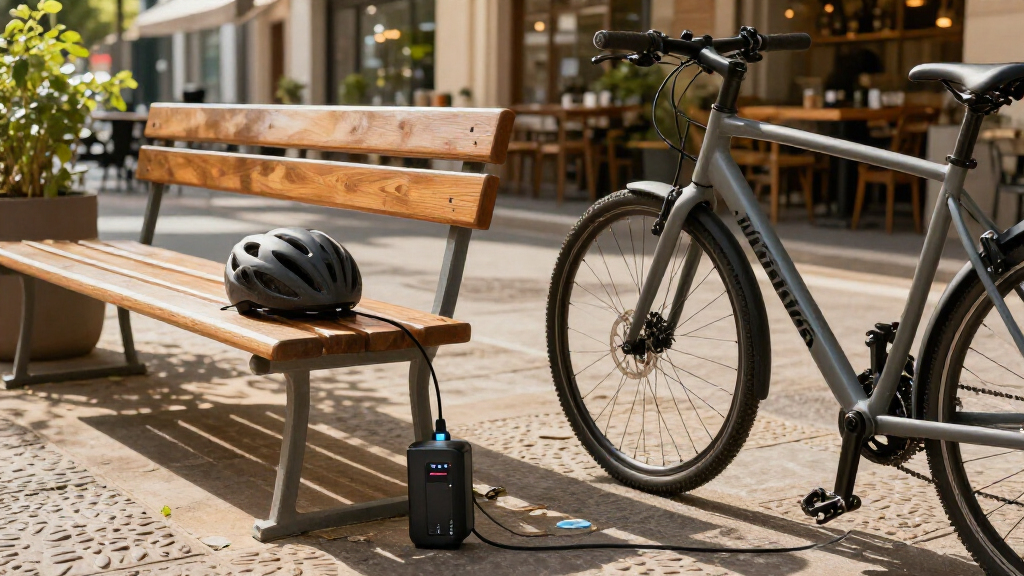
I compared the 13 listings around the details that determine whether an e-bike charger is usable and appropriate: output voltage, charging current, battery-voltage match, connector options, and stated safety certification. I gave priority to clearly specified models and treated multi-plug counts as a convenience rather than proof of broad compatibility. I also separated the 36V-battery chargers from the 48V-battery group, since their output voltages are not interchangeable.
The ranking reflects distinct buyer needs, not a claim that one charger fits every bike. The Hyleton 3A model leads for riders whose battery supports faster charging; the UL-listed 2A Hyleton is a more cautious everyday alternative, and multi-tip kits rank well for owners who have verified their connector. Products with less distinctive specifications sit lower because the supplied information gives buyers fewer reasons to choose them over better-defined options. I would still confirm compatibility with the bike or battery maker before use.
Factors to Consider When Choosing Electric Bike Battery Chargers
Before comparing plug counts or charging speed, match the charger to the battery itself. I use the checks below to avoid the most common mismatch: buying a charger that fits physically but has the wrong electrical specifications.
Match Charger Output to Battery Voltage
Use the battery’s stated nominal voltage as your starting point, then check the charger’s output voltage against the battery maker’s specification. In this roundup, the 48V lithium options list 54.6V output, while the two 36V options list 42V output. Those figures are not interchangeable just because both products are called e-bike chargers. A connector that fits does not make a voltage mismatch safe. If the battery label is missing or unclear, check the bike manual or ask the manufacturer before plugging in a replacement.
Confirm Battery Chemistry and Charging Profile
Nominal voltage alone does not establish compatibility: battery chemistry and the maker’s charging requirements matter too. These listings describe chargers for lithium batteries, but that does not prove they suit every lithium pack or battery-management system. Check the battery documentation for the approved charger output and charging method, especially when replacing an original charger. Avoid relying on a seller’s broad claim that a unit works with e-bikes or scooters. When the battery maker specifies a particular charger, follow that guidance rather than choosing by voltage alone.
Choose Charging Current Within the Battery’s Limit
Amperage affects how quickly a compatible battery can charge, but the battery’s approved input current sets the limit. The 3A Hyleton stands apart from the many 2A listings for riders whose packs permit that rate; it is not a safe speed upgrade for every battery. A 2A charger may take longer, yet it can be the better match for a pack with a lower charging-current limit. Check the battery manual for its maximum input current before selecting a higher-output charger. If that information is unavailable, ask the battery maker instead of guessing.
Treat Plug-Tip Counts as a Starting Point
Interchangeable tips can help when a household has several compatible devices, but the count does not tell you whether the right tip is included. Compare the connector’s shape, dimensions, polarity, and pin arrangement with the original charger or battery port. A plug that seems to fit loosely or requires force is not a match. Some bikes also use proprietary connectors, which a generic adapter kit may not support. Check the exact tip and polarity with the seller or manufacturer before buying a multi-tip charger.
Weigh Certification and Build Details Carefully
A stated safety certification can help distinguish listings, but read what the claim actually covers and verify any certification mark against the manufacturer’s documentation. In this group, several listings call out UL certification or UL listing, while others provide fewer details in their names. Also check for practical features such as clear indicator lights, cable length, strain relief, and protection information in the full product specifications. Missing details are a reason to ask questions, not a reason to assume a feature is present. For a charger used at home or carried regularly, clear documentation and a well-matched connector may matter more than extra adapter tips.
Frequently Asked Questions
Can I use a 54.6V charger on any 48V e-bike battery?
No. A 54.6V output appears on the 48V lithium chargers in this roundup, but the battery maker must approve that output and charging profile for your specific pack. Check the battery label and manual, including chemistry and maximum charging current. Also verify the connector and polarity; a physically compatible plug does not prove electrical compatibility. If the documentation conflicts with the charger listing, follow the battery maker’s instructions.
What is the difference between a 42V and a 54.6V e-bike charger?
In this lineup, 42V chargers are listed for 36V lithium batteries, while 54.6V chargers are listed for 48V lithium batteries. They serve different battery-voltage classes and should not be swapped. Choosing by the charger’s plug shape or the bike’s model name alone can lead to a serious mismatch. Check the battery’s nominal voltage and its approved charger output before connecting either type. If you are unsure which battery is installed, consult the bike maker or a qualified service provider.
Is a 3A charger safe to use instead of a 2A charger?
Only if the battery manufacturer permits charging at 3A and the charger matches the pack’s voltage, chemistry, and connector. A higher current can shorten charging time, but it can exceed the battery’s stated input limit. The 3A Hyleton is therefore a speed-oriented option, not a universal replacement for the 2A models. Check the battery documentation for its maximum charging current before switching. If the manual does not state a limit, ask the manufacturer rather than assuming the higher rate is acceptable.
Will a charger with multiple adapter tips fit my e-bike?
Not necessarily. A kit with five, six, or seven tips only helps if one tip matches your battery port’s dimensions, pin layout, and polarity. Some e-bikes use proprietary connectors, and a tip that appears to fit may still be electrically wrong. Compare the included tips with your original charger and check the bike or battery documentation. Do not force a connector or test tips at random; confirm an exact match before charging.
Should I buy a spare charger or replace my original charger?
A spare can be useful if it is an exact electrical and connector match, but keep the original charger’s specifications as your reference. Compare output voltage, current, battery chemistry, polarity, and any manufacturer-specific requirements before choosing a replacement. If the original charger has failed, inspect its label and contact the bike or battery maker when details are incomplete. A generic model with extra tips is not automatically a safe substitute. For a battery under warranty, check whether using a third-party charger could affect the warranty terms.
Conclusion
My best overall pick is the Hyleton UL-Certified 54.6V 3A charger for riders whose 48V lithium battery supports 3A input. For a more conservative everyday choice, the Hyleton 54.6V 2A UL-listed charger is the best fit among the clearly specified 2A options; I’d call that the best value for buyers who prioritize a straightforward match over added tips. For a premium-style feature choice, the QKIIP’s seven plug tips offer the broadest listed connector selection, though connector and polarity checks remain necessary. Beginners should start with the original charger’s label and choose a clearly specified 2A model that matches it exactly. For 36V battery owners, the Jucuwe or EVAPLUS 42V charger is the relevant category—do not select a 54.6V model. Whichever you choose, verify voltage, chemistry, current limit, and connector fit with the battery documentation before charging.