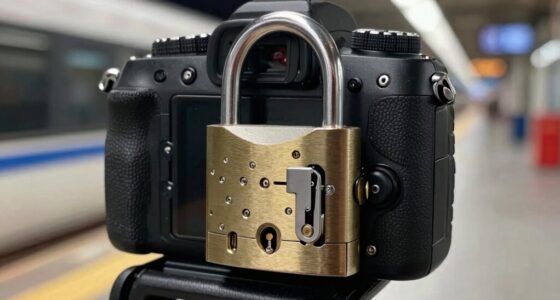
Before you leave work, review your security protocols. Check that all cameras are functioning and properly positioned to cover high-risk areas. Secure cash and inventory, and make certain all entrances are locked. Perform a quick sweep of sensitive zones, confirming doors and windows are shut. Remind staff of security procedures and document any access during off-hours. Establishing these steps early helps prevent thefts and safeguard your assets, and there’s more you can implement for total peace of mind.

Get bike and ride gear delivered free with Prime
- Fast, free delivery on millions of items
- Prime Video, Amazon Music and more included
- Member-only deals all year
Key Takeaways
- Conduct a final walkthrough to ensure all valuables and sensitive areas are secured before departure.
- Review security footage to identify any suspicious activity during the day.
- Verify that all entrances, exits, and access points are locked and properly secured.
- Confirm that all employees have followed security protocols for cash and inventory safeguarding.
- Activate security systems and surveillance cameras to monitor premises after hours.

Ever wondered how to protect your belongings from theft effortlessly? The secret lies in establishing a solid anti-theft routine that starts long before you leave work for the day. One essential step is paying close attention to security camera placement. You want cameras positioned in high-traffic areas, entrances, exits, and especially near valuable inventory or equipment. Proper placement ensures maximum coverage and acts as a visible deterrent for potential thieves. Remember, a strategically placed camera not only captures evidence if theft occurs but also discourages dishonest behavior because it makes everyone aware they’re being watched.
Strategically placed security cameras deter theft and ensure maximum coverage of key areas.
But simply installing cameras isn’t enough. Employee training plays a key role in your anti-theft routine. You need to educate your staff on security protocols, emphasizing the importance of vigilance and honesty. When employees understand the value of safeguarding assets and recognize suspicious behavior, they become active participants in theft prevention. Train them to report any unusual activity immediately and to follow procedures for securing cash, inventory, and sensitive areas. Reinforce the idea that security is a team effort, and everyone has a role in maintaining a safe environment.
As your workday winds down, make sure your routine includes a thorough check of all security measures. Confirm that cameras are functioning properly and that all entrances are secured. Encourage employees to double-check that doors and windows are locked and that any point-of-sale or storage areas are properly closed. This proactive step can prevent thefts before they happen, giving you peace of mind that your business is protected even after hours. Additionally, security camera placement can be optimized based on the layout of your premises to maximize deterrence and evidence collection. Regularly reviewing security footage can help identify patterns and potential vulnerabilities, making your security measures more effective. Incorporating technology advancements such as remote monitoring can further enhance your security system’s responsiveness. Moreover, understanding how to effectively utilize indoor air quality solutions can contribute to creating a healthier and more secure environment overall.
Additionally, consider implementing a policy that limits access to certain areas after hours. Use access controls or lockboxes to restrict entry to sensitive zones, and document who enters and exits during off-hours. These measures, combined with effective camera placement and well-trained staff, create a layered security system that’s harder for thieves to bypass. Regularly reviewing security footage and staying informed on cybersecurity and digital threats can help identify vulnerabilities that extend beyond physical theft.
In the end, the best anti-theft routine is one that’s thorough, consistent, and ingrained in your daily operations. Starting with smart security camera placement and ongoing employee training sets the foundation for a safer workspace. When everyone understands their role and the security measures are in place and functioning, you greatly reduce the risk of theft and protect your business assets effortlessly. Remember, prevention is always better than dealing with the aftermath of theft, so make these routines a non-negotiable part of your closing procedures.
Popular right now

Ninja Foodi Dual Zone Smart XL Air Fryer, 10 Qt, 6-in-1, Black (DZ550)

KitchenAid Artisan 5-Qt Tilt-Head Stand Mixer – Dried Rose (KSM150PS)

De'Longhi Rivelia Fully Automatic Espresso Machine with Milk Frother, White
As an affiliate, we earn on qualifying purchases.
Frequently Asked Questions
How Can I Track My Belongings if Stolen?
If your belongings get stolen, you can track them using RFID tags attached to your valuables. Pair these with a smart lock that supports tracking features for added security. When theft occurs, use your smartphone or tracking app to locate your items quickly. RFID tags provide real-time location updates, helping you recover your belongings faster. Always keep your tracking devices updated and guarantee your smart lock is properly configured for maximum security.
What Are Common Signs of Theft Vulnerability?
Imagine your workspace as a fortress; if doors are left unsealed or access controls are lax, it’s vulnerable. Common signs of theft vulnerability include inconsistent employee awareness about security protocols and open access points. When you notice unsecured areas or employees unaware of security measures, it signals a risk. Strengthening access controls, training staff, and maintaining vigilant awareness can help close these gaps and safeguard your belongings effectively.
Should I Use Security Cameras at My Workspace?
Yes, you should use security cameras at your workspace. Workplace surveillance with well-placed security cameras can deter theft and help you identify suspicious activity quickly. Focus on strategic security camera placement around entrances, exits, and high-value areas. This not only enhances security but also provides valuable evidence if theft occurs. Regularly monitor footage and maintain cameras to guarantee they function properly, reinforcing your overall anti-theft strategy.
How Do I Report Theft Incidents Effectively?
To report theft incidents effectively, you should immediately notify your supervisor or security team, providing detailed information about what happened, including time, location, and any evidence like security camera footage. Promote workplace security by encouraging employee awareness, so everyone understands how to identify and report suspicious activity. Document the incident thoroughly, and follow your company’s formal reporting procedures to guarantee proper investigation and resolution.
Are There Insurance Options for Stolen Items?
Imagine your valuables wrapped in an invisible shield, ready to shield you from loss. Yes, insurance coverage exists for stolen items, offering peace of mind. To maximize theft prevention, consider all-encompassing policies that cover theft incidents. These options help recover your losses and reinforce your defenses. Always review your policy details, including coverage limits and exclusions, so you’re prepared if theft strikes. Protect your belongings like a fortress—insurance is your ultimate safeguard.
Conclusion
By adopting this anti-theft routine before leaving work, you’re actively protecting your belongings. Picture yourself double-checking your locks and parking spot, just like Sarah did after her laptop was stolen last month. That simple habit could have prevented her loss. Start integrating these quick steps into your routine today—your belongings will thank you. Remember, staying vigilant isn’t just about reacting to theft; it’s about preventing it altogether.