Wearable airbags instantly protect you during crashes or falls by providing cushioning and reducing injury risk, thanks to sensors that trigger rapid inflation. They’re lightweight, breathable, and adjustable for a good fit, but can feel bulky during high-intensity activities. However, they may accidentally deploy, require regular maintenance, and come with high costs. Battery life and malfunctions also pose risks to reliability. Discover more about how these safety devices balance benefits and limitations to keep you secure.

Get bike and ride gear delivered free — and shop member deals
- Fast, free delivery on millions of items
- Access to Prime Big Deal Days deals on October 6–7
- Prime Video, Amazon Music and more included
Key Takeaways
- Wearable airbags provide instant impact protection, reducing injury risk during crashes or falls.
- They can be uncomfortable or bulky, potentially restricting movement during high-intensity activities.
- Sensor technology ensures timely deployment but may cause false alarms or accidental inflation.
- Regular maintenance and proper fit are essential to ensure safety and device effectiveness.
- High costs and maintenance requirements can limit accessibility and consistent use.
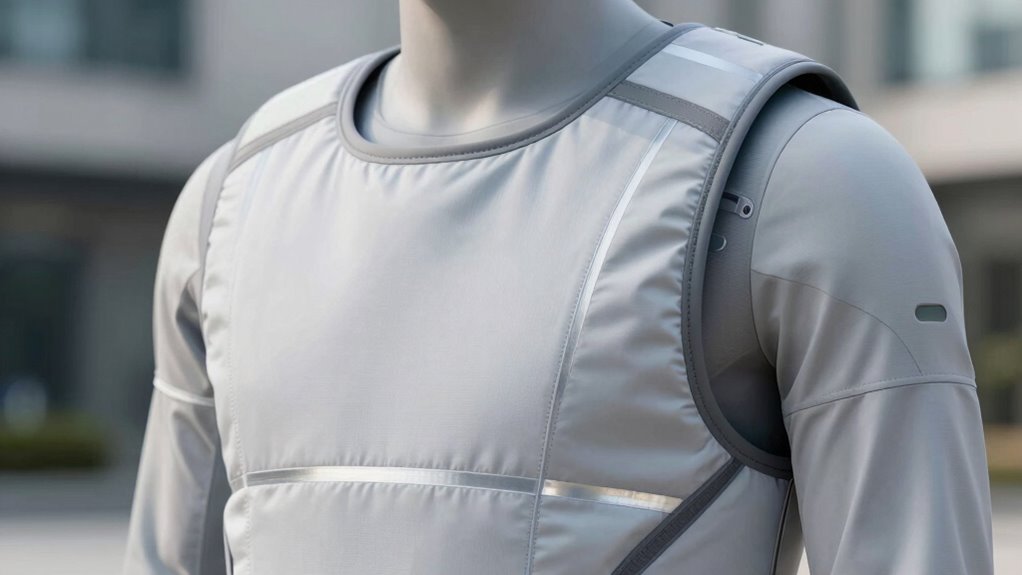
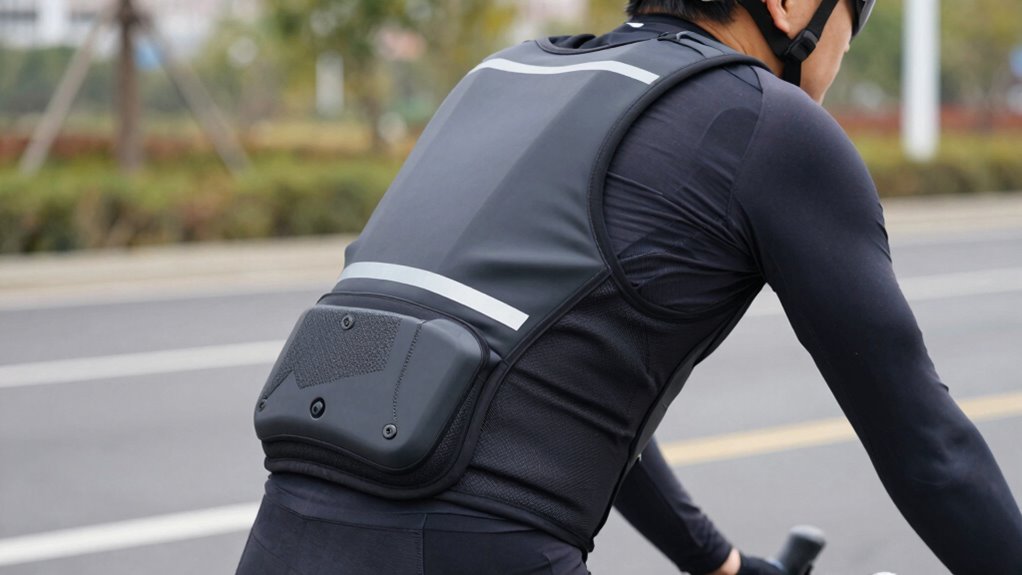
Wearable airbag protection is gaining popularity as a safety innovation, especially for athletes, motorcyclists, and outdoor enthusiasts. You’re probably curious about how this technology works and whether it’s a game-changer for your safety. These devices are designed to deploy instantly during a crash or fall, providing a cushioning barrier that reduces injury risk. From a safety technology perspective, wearable airbags are an impressive leap forward. They incorporate sensors that detect sudden impacts or abnormal movements, triggering rapid inflation to protect vital areas like your chest, back, or neck. This sensor technology is crucial for ensuring timely activation and reliable protection. This real-time responsiveness offers peace of mind, especially when you’re pushing your limits or maneuvering unpredictable terrains. However, it’s important to weigh how well these devices fit into your daily routines and activities, balancing protection with comfort.
Wearable airbags deploy instantly, offering vital impact protection for athletes, motorcyclists, and outdoor enthusiasts.
User comfort is a critical factor in whether you’ll actually wear these airbags consistently. Modern designs aim to be lightweight and unobtrusive, so you hardly notice them once strapped on. Many models are made from breathable materials and are adjustable to fit various body types, making them more comfortable for extended use. Still, some users find that wearing an airbag can feel bulky or restrict movement, especially during high-intensity activities. Manufacturers are continually refining these devices to improve user comfort without compromising safety. If you’re worried about discomfort, it’s worth trying different models to find one that feels natural and doesn’t interfere with your activity. Proper fit and material choice can make a significant difference in how often and comfortably you wear the protection. Additionally, understanding wearable airbag technology can help you make informed decisions about safety equipment. Staying informed about safety standards is also essential to ensure you’re choosing reliable and effective products. Being aware of regulatory guidelines can help you identify products that meet industry safety benchmarks.
Despite their promising safety technology and potential for increased user comfort, wearable airbags aren’t infallible. They can sometimes be triggered accidentally, leading to unnecessary inflation, which may be inconvenient or embarrassing. An understanding of trigger mechanisms can help users better anticipate and minimize false activations. Proper maintenance and regular checks are also vital to ensure these devices function correctly when needed. Additionally, they’re not a substitute for other safety precautions like helmets or protective gear but rather an extra layer of defense. Cost is another aspect to evaluate, as these devices can be expensive, and not all insurance plans cover them. Maintenance and battery life are also factors to keep in mind, since a malfunction or dead battery could leave you unprotected when you need it most.
wearable airbag for motorcycle riding
As an affiliate, we earn on qualifying purchases.
As an affiliate, we earn on qualifying purchases.
Frequently Asked Questions
How Long Does a Wearable Airbag Last Before Needing Replacement?
A wearable airbag typically lasts around 5 to 7 years before needing replacement, but this depends on battery durability and usage. The battery may degrade over time, reducing effectiveness, so it’s crucial to monitor its performance. Replacement frequency varies based on how often you wear it and how well you care for it. Regular checks ensure your device stays reliable, and replacing it when necessary keeps you protected on every ride.
Are Wearable Airbags Suitable for Children or Only Adults?
Wearable airbags are like a guardian angel, but they’re mainly designed for adults, not children. For child safety, age suitability is vital, and most wearable airbags aren’t tested or approved for kids. You should always check the manufacturer’s recommendations, as using adult gear on children can be risky. Prioritize proper child safety gear, like helmets and car seats, to guarantee your little one’s protection.
Can Wearable Airbags Be Used in Water or Wet Conditions?
Wearable airbags typically aren’t designed for water or wet conditions. Water resistance varies by model, but moisture impact can cause malfunctions or accidental deployments. If you plan to use them near water, check the manufacturer’s specifications to confirm they’re rated for moisture exposure. In general, it’s best to keep wearable airbags dry, as water damage can compromise their safety features and effectiveness.
How Discreet Are Wearable Airbags Under Regular Clothing?
Wearable airbags are quite discreet under regular clothing, making them largely invisible in daily wear. Their slim design guarantees good fashion compatibility, so you won’t have to sacrifice style for safety. Most models are engineered for clothing concealment, fitting smoothly beneath shirts or jackets without adding bulk. This means you can confidently wear your protective gear without it standing out or affecting your overall look.
Do Wearable Airbags Require Regular Maintenance or Checks?
Like a car needs regular oil changes, wearable airbags do require routine checks. You should monitor the battery life to guarantee they’re ready when needed, as a dead battery is like a flat tire. Also, check the activation mechanism regularly to confirm it functions properly. Most models have simple maintenance routines, so staying on top of these checks keeps your safety gear reliable and ready for action.
impact protection wearable airbags
As an affiliate, we earn on qualifying purchases.
As an affiliate, we earn on qualifying purchases.
Conclusion
While wearable airbags can substantially reduce injury risk in accidents, they aren’t foolproof. For example, imagine a cyclist wearing one during a crash—it might cushion the impact, but if not properly fitted, it won’t activate. Ultimately, these devices are a valuable safety tool, but you shouldn’t rely solely on them. Combining wearable airbags with cautious behavior and other safety measures ensures you’re better protected in unpredictable situations.
As an affiliate, we earn on qualifying purchases.
As an affiliate, we earn on qualifying purchases.
Fall Picks
fall essentials
As an affiliate, we earn on qualifying purchases.