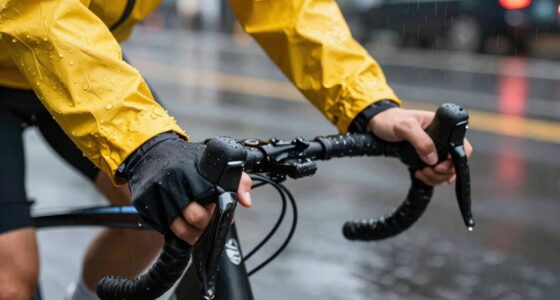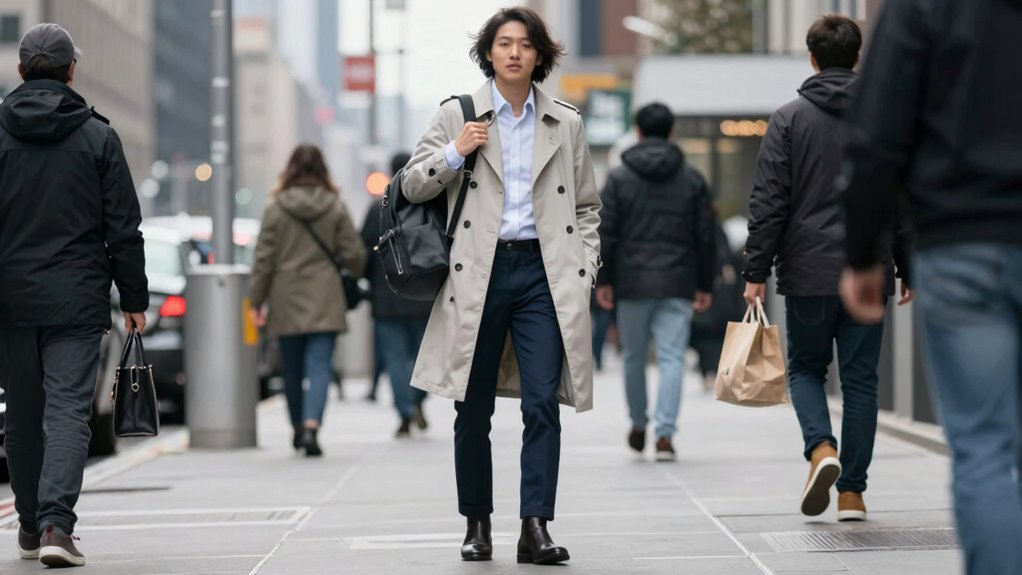

To dress smartly for U.S. commuting weather, focus on layering with a moisture-wicking base, an insulating layer, and a weather-resistant outer shell. Opt for breathable fabrics that keep you dry and comfortable, and choose outerwear that’s easy to add or remove. Weather-resistant pants and jackets help protect against rain, wind, and snow without bulk. If you keep these tips in mind, you’ll stay prepared for unpredictable weather—plus, you’ll discover more ways to stay comfortable during your commute.

Get bike and ride gear delivered free — and shop member deals
- Fast, free delivery on millions of items
- Access to Prime Big Deal Days deals on October 6–7
- Prime Video, Amazon Music and more included
Key Takeaways
- Use layered clothing: start with a moisture-wicking base, add an insulating layer, and top with a weather-resistant outer layer.
- Choose breathable fabrics to stay comfortable and prevent overheating during active commutes.
- Select versatile outerwear that can be easily removed or added based on changing weather.
- Invest in weather-resistant jackets and pants to stay dry without bulky gear.
- Monitor the forecast and adapt your outfit accordingly, avoiding over-layering or underdressing.
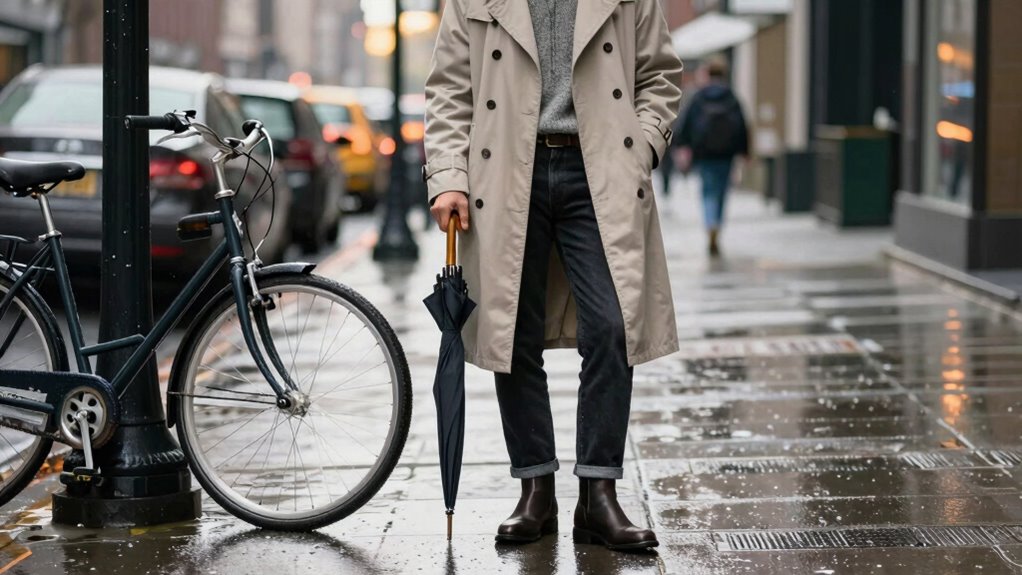
Commuting in the U.S. means facing a wide range of weather conditions, from hot summer days to freezing winter mornings. To stay comfortable without overdoing it, you need to master the art of dressing smartly for unpredictable weather. One of the most effective strategies is using layering techniques. Instead of wearing a bulky coat or heavy clothes, you can build your outfit in layers that you can add or remove as needed. Start with a lightweight, moisture-wicking base layer to keep sweat away from your skin. Then, add an insulating layer like a fleece or a thin sweater for warmth, which can easily be taken off if the temperature rises. Finish with a weather-resistant outer layer that shields you from wind, rain, or snow, allowing you to adapt quickly to changing conditions. Selecting weather resistant fabrics is essential for effective commuting gear, as they are designed to repel water and block wind, keeping you dry and warm without sacrificing breathability. Investing in pieces with weather resistant fabrics means you won’t need to carry bulky umbrellas or multiple layers of clothing, and your commute stays comfortable regardless of how unpredictable the forecast is. When choosing outerwear, opt for a waterproof jacket with a hood, so you’re protected whether it’s drizzling or snowing. Pair that with weather resistant pants or leggings that won’t soak through if you get caught in a sudden downpour. Additionally, choosing garments with breathability ensures that you stay comfortable and dry from sweat, even during active commutes or fluctuating temperatures. Incorporating versatile clothing options can also help you transition smoothly between different weather conditions throughout your commute. Wearing clothing made from breathable fabrics promotes better air circulation, which is crucial for maintaining comfort during active or unpredictable weather.
waterproof men's or women's rain jacket with hood
As an affiliate, we earn on qualifying purchases.
As an affiliate, we earn on qualifying purchases.
Frequently Asked Questions
How Do I Stay Comfortable During Unexpected Weather Changes?
To stay comfortable during unexpected weather changes, always carry rain gear like a compact umbrella or waterproof jacket. Keep sun protection in mind, such as sunglasses and sunscreen, especially if the sun suddenly appears. Layer your clothing so you can adjust easily—adding or removing pieces as needed. This way, you stay dry, protect your skin, and remain comfortable no matter how the weather shifts unexpectedly.
What Are the Best Layering Techniques for Variable Temperatures?
You should start with a lightweight, breathable base layer made of moisture-wicking fabric, like merino wool or synthetic blends. Add a versatile mid-layer, such as a fleece or thin sweater, in a neutral or coordinating color. Finish with a waterproof or windproof outer layer. This layering technique lets you adjust easily as temperatures change. Focus on fabric selection and color coordination to stay comfortable and stylish no matter the weather.
How Should I Choose Footwear for Commuting in Different Weather Conditions?
Like a modern-day Odysseus, you navigate changing weather with strategic footwear choices. Opt for weather-proof shoes that keep your feet dry in rain or slush, and choose breathable options for warmer days. Consider versatile styles that adapt to both rain and shine. Quick-drying materials and slip-resistant soles guarantee safety and comfort. By selecting the right footwear, you conquer each commute, regardless of weather, with confidence and ease.
Are There Climate-Specific Accessories I Should Consider?
Yes, you should consider climate-specific accessories like seasonal rainwear to stay dry during wet conditions and sun protection gear, such as hats or sunglasses, for sunny days. These items help you adapt to varying weather, ensuring comfort and safety during your commute. Investing in versatile, lightweight rain jackets or compact umbrellas and UV-protective accessories lets you stay prepared without overloading your outfit.
How Can I Prevent Overheating or Sweating in Mild Weather?
To prevent overheating or sweating in mild weather, choose breathable fabrics like linen or lightweight cotton that allow air circulation. Opt for moisture-wicking clothing to draw sweat away from your skin, keeping you dry and comfortable. Layer smartly with a light jacket or cardigan you can remove if you start to feel too warm. Stay aware of your body’s signals and adjust your clothing accordingly to stay comfortable throughout your commute.
moisture-wicking base layer shirts
As an affiliate, we earn on qualifying purchases.
As an affiliate, we earn on qualifying purchases.
Conclusion
Dressing appropriately for U.S. commuting weather can transform your daily journey from a battle with the elements to a smooth sail. When you choose layers wisely, you’re not just preparing for the day—you’re embracing the adventure with confidence. Remember, your outfit is your armor against unpredictable weather, turning each commute into a demonstration of resilience. So, dress smart, stay comfortable, and face each day’s weather with the courage of a seasoned traveler.
weather-resistant pants or leggings
As an affiliate, we earn on qualifying purchases.
As an affiliate, we earn on qualifying purchases.
insulating fleece or thermal layers
As an affiliate, we earn on qualifying purchases.
As an affiliate, we earn on qualifying purchases.
Fall Picks
fall essentials
As an affiliate, we earn on qualifying purchases.