TL;DR

Get bike and ride gear delivered free — and shop member deals
- Fast, free delivery on millions of items
- Access to Prime Big Deal Days deals on October 6–7
- Prime Video, Amazon Music and more included
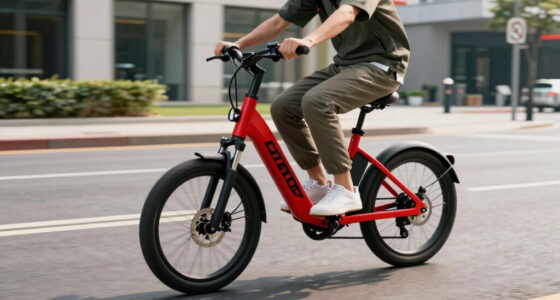
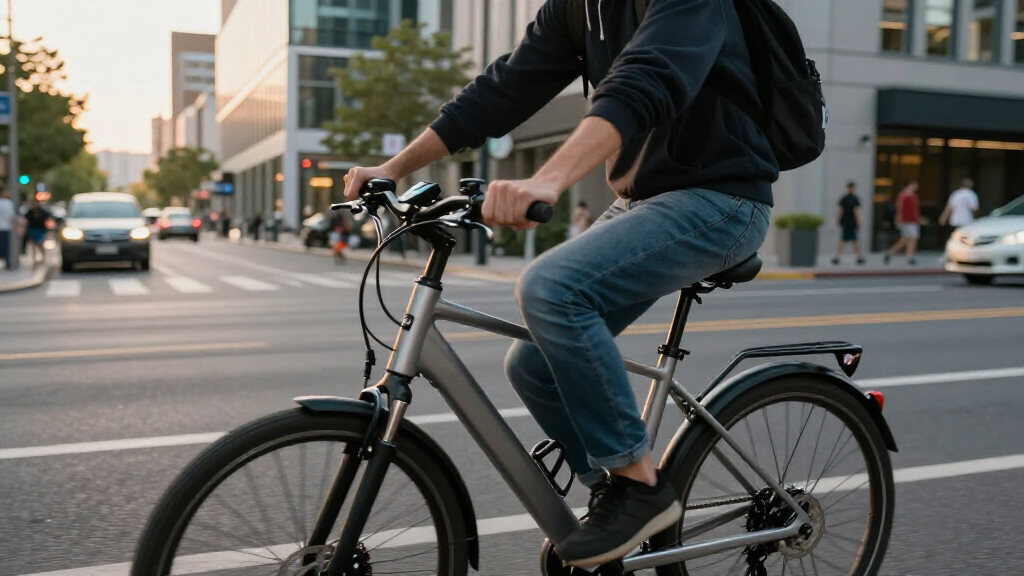
A growing debate questions whether some electric two-wheelers should be classified as e-bikes or mopeds. Definitions vary by jurisdiction, affecting regulations and legal use. The issue is gaining attention amid rising electric vehicle sales.
Impacts on Regulation and Consumer Rights
The ongoing debate over classification affects legal riding rights, licensing requirements, and safety standards. A clear, consistent definition is essential for fair regulation, consumer protection, and industry growth. Without it, riders may face legal uncertainties, and manufacturers could encounter barriers to market entry. The issue also influences insurance policies and law enforcement practices, making clarity critical for all stakeholders involved.As an affiliate, we earn on qualifying purchases.
Legal Definitions and Regional Variations in Electric Vehicle Classification
The classification of electric bikes and mopeds varies significantly across different regions. In many parts of Europe and North America, e-bikes are defined by maximum speed limits (often 25 km/h or 20 mph) and motor power (typically under 750 watts), allowing them to be ridden without a license or registration. Vehicles exceeding these thresholds are often categorized as mopeds or motorcycles, which require licensing, insurance, and registration. This distinction originated from safety concerns and historical vehicle categories but is now challenged by the proliferation of high-powered electric bikes. The lack of a standardized global classification has led to inconsistent laws, enforcement challenges, and rider confusion. The debate has gained momentum as manufacturers produce increasingly powerful models that push the boundaries of current regulations, and consumers demand clarity on their rights and obligations.As an affiliate, we earn on qualifying purchases.
Unclear Regulatory Standards and Future Policy Changes
It is not yet clear whether governments will adopt a unified classification system or continue with regional differences. Pending legislation and ongoing discussions could reshape how electric two-wheelers are regulated, but specific timelines and outcomes remain uncertain. Regulatory bodies are still examining the implications of high-powered electric vehicles, and no consensus has been reached on standard definitions or enforcement policies.As an affiliate, we earn on qualifying purchases.
Potential for Regulatory Reforms and Clarifications
Regulatory agencies and lawmakers are expected to continue discussions over the coming months. Possible outcomes include the development of standardized definitions, new licensing regimes, or updated safety standards. Industry stakeholders and consumer groups are likely to advocate for clearer, more consistent rules to facilitate market growth and rider safety. Monitoring legislative proposals and enforcement practices in key markets will be essential for understanding how the classification debate evolves.As an affiliate, we earn on qualifying purchases.
Key Questions
Why is there a dispute over whether an e-bike is a moped?
The dispute stems from differing legal definitions based on vehicle speed, motor power, and features, which vary across jurisdictions, leading to confusion over classification and regulation.
How does classification affect riders and manufacturers?
Classification determines licensing, registration, insurance requirements, and safety standards, impacting rider rights, legal compliance, and market access for manufacturers.
Could regulations become unified in the future?
It is uncertain; ongoing policy discussions aim to establish clearer, more consistent standards, but no definitive timeline or agreement has been announced.
What are the safety implications of this classification debate?
Inconsistent standards may lead to safety gaps, enforcement challenges, and confusion among riders about their legal obligations, potentially affecting overall safety.
How are manufacturers responding to this uncertainty?
Manufacturers are producing higher-powered models that challenge existing classifications, and many are advocating for clearer regulations to facilitate compliance and market growth.
Source: rss
Fall Picks
fall essentials
As an affiliate, we earn on qualifying purchases.