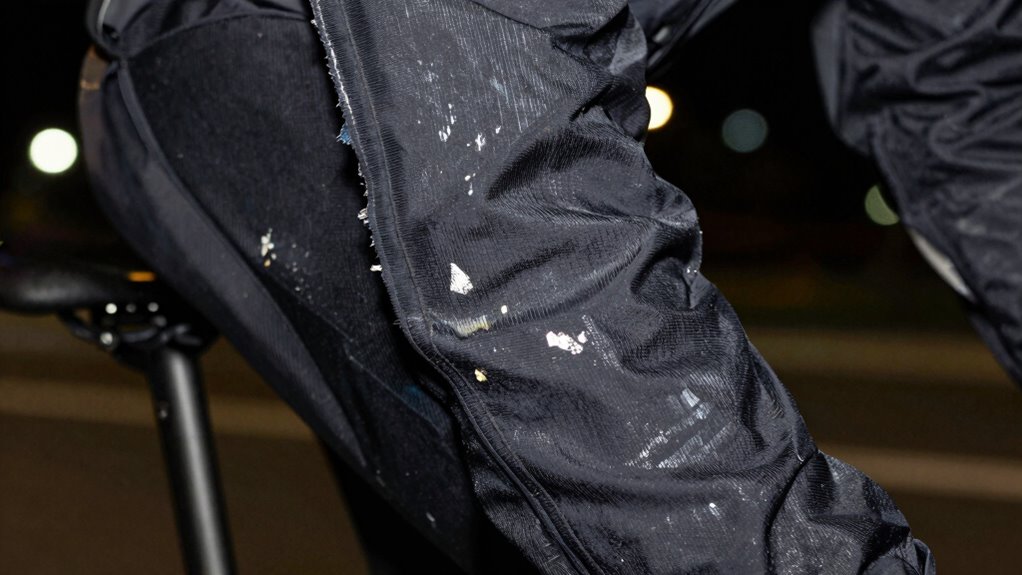

If your reflective gear barely works, it’s likely because it lacks high luminosity and strong color contrast. Not all reflective materials bounce enough light back to keep you visible, especially in dark conditions. Factors like surface quality, reflective elements, and color choices matter a lot. Gear with better luminosity and brighter colors reflects more light and stands out better. Keep going to discover how these elements influence your safety and visibility in low light.
Listen free for 30 days with Audible
Thousands of audiobooks and originals — cancel anytime.
As an affiliate, we earn on qualifying purchases.
Key Takeaways
- Reflective gear’s effectiveness depends on its luminosity, which is influenced by surface quality and reflective element design.
- Low luminosity results in dull reflection, making gear less visible in low-light conditions.
- High-contrast colors, like neon yellow or orange, enhance daytime visibility against backgrounds.
- Poorly manufactured or aging reflective materials reflect less light, reducing nighttime visibility.
- Choosing gear with proper luminosity ratings and high-contrast colors ensures better safety and visibility.

Have you ever wondered how drivers see pedestrians at night or how safety gear keeps workers visible in low-light conditions? The answer lies in the science behind reflective materials. These materials are designed to bounce light back toward its source, making you more visible in dark environments. But not all reflective gear performs equally, and understanding why requires a look into luminosity factors and color contrast. Luminosity factors refer to how effectively a material can reflect light, which depends on its design, surface texture, and the quality of the reflective elements. Some materials simply don’t have enough reflective surface area or the right kind of reflective beads or films to produce a visible glow. If the luminosity factors are low, even bright streetlights or headlights won’t make a noticeable difference. That’s why some reflective gear appears dull or barely visible, especially if it’s old, worn, or poorly manufactured.
Color contrast is another critical element. When reflective materials are designed, they often incorporate specific colors that enhance visibility against common backgrounds like asphalt, concrete, or natural landscapes. Bright, highly contrasting colors like neon yellow, orange, or lime green work best because they stand out during the day. However, once darkness falls, these colors rely heavily on their reflective properties to remain visible. If the reflective elements don’t produce enough contrast with the surrounding environment—say, a reflective strip that blends with the dark asphalt—your visibility drops dramatically. This is why some “reflective” gear seems to work only in certain conditions or barely at all. It’s not just about having reflective patches but about how well these patches contrast with the background and how effectively they reflect light back to the driver or observer.
In essence, the effectiveness of reflective gear depends heavily on these factors. High-quality reflective materials with excellent luminosity factors ensure that even small amounts of light are reflected clearly and brightly. Meanwhile, strategic use of color contrast enhances overall visibility, making sure you stand out in various lighting conditions. If your gear lacks either of these elements, it won’t perform as expected. That’s why some reflective clothing or accessories seem to work only in ideal conditions, and others barely make a difference at all. When choosing reflective gear, look for products that specify their luminosity ratings and have high-contrast colors. Doing so guarantees you’ll get gear that’s truly effective in keeping you safe when it’s dark out.

Premium transport bag for electric scooter, with backpack included. Compatible with all brands. Ideal to transport or store your scooter. Robust, universal and waterproof bag. Procover
- High-Quality Waterproof Material: Resilient 1680D Oxford fabric
- Universal Compatibility: Fits all major scooter brands
- Large Storage Capacity: Max dimensions 125x45x25 cm
As an affiliate, we earn on qualifying purchases.
Frequently Asked Questions
How Do Different Lighting Conditions Affect Reflective Gear Visibility?
Different lighting conditions markedly impact your reflective gear’s visibility because lighting contrast varies, making it harder to see in low light or direct sunlight. In dim conditions, reflective surfaces bounce back more light, enhancing color visibility, but in bright daylight, they can appear less noticeable. To stay safe, choose gear with high-contrast reflections and bright colors, and always be aware that visibility decreases in poor or overly bright lighting.
Are There Specific Standards for Reflective Material Performance?
Think of reflective gear as your safety shield, backed by strict manufacturing standards and testing protocols. Yes, there are specific standards, like ANSI and ISO, that set performance benchmarks for reflectivity and durability. For example, a cyclist’s vest must meet these standards to ensure visibility at night. These protocols guarantee your gear performs reliably, giving you peace of mind when you’re out on the road.
Can Reflective Materials Lose Effectiveness Over Time?
Yes, reflective materials can lose effectiveness over time due to material degradation from exposure to weather, dirt, and wear. This reduces their reflectivity and safety performance. When designing reflective gear, consider durable materials and protective coatings to combat degradation. Regular inspections and cleaning help maintain brightness. You should replace worn or damaged items promptly, ensuring your gear remains visible and effective in low-light or nighttime conditions.
What Maintenance Is Needed to Keep Reflective Gear Functional?
To keep your reflective gear functional, you should regularly clean it with mild soap and water to maintain cleaning durability and guarantee the reflective surfaces stay clear. Avoid harsh chemicals, which can damage the material. Store it away from direct sunlight to preserve color contrast. Regular maintenance prevents dirt buildup and fading, ensuring your gear remains visible and effective during low-light conditions.
How Does the Placement of Reflective Strips Impact Visibility?
You should position reflective strip placement strategically to maximize visibility impact. Place strips on your back, chest, arms, and legs to guarantee you’re seen from all angles. Proper placement catches headlights, streetlights, and passing vehicles, making you more noticeable. When reflective strips are correctly positioned, they amplify your visibility, especially in low-light conditions, helping you stay safe during nighttime activities or roadside emergencies.

Kingling Electric Scooter Bag for M365/M365 Pro EScooter 49''Lx10''Wx18''H
- Durable Waterproof Material: Made of heavy-duty 600D Oxford fabric
- Universal Fit for Scooters: Fits most foldable electric scooters
- Multi-purpose Design: Can be used as a bag or backpack
As an affiliate, we earn on qualifying purchases.
Conclusion
Think of reflective gear as a lighthouse guiding you through darkness. When it’s working right, it beams brightly, drawing attention and keeping you safe. But if the material’s dull or dirty, it’s like a flickering light—barely there, leaving you unseen in the night. To stay safe, keep your gear clean and in good shape, so your reflective lighthouse shines strong. Remember, in the darkness, your visibility depends on how well you maintain that guiding light.

Kingling Electric Scooter Bag Heavy Duty Waterproof 45" L x 18" W x 28" H
- Durable Waterproof Material: Made of heavy-duty 600D Oxford fabric
- Generous Size Compatibility: Fits scooters up to 45" L x 18" W x 28" H
- Multi-Functional Use: Can be used as a bag, backpack, or handbag
As an affiliate, we earn on qualifying purchases.

PGmoon Electric Scooter Bag with 4L Large Capacity
- Universal Compatibility: Fits various scooter models
- Large 4L Capacity: Ample space for essentials
- Multiple Storage Pockets: Organized compartments for items
As an affiliate, we earn on qualifying purchases.
Summer Picks
summer essentials
As an affiliate, we earn on qualifying purchases.