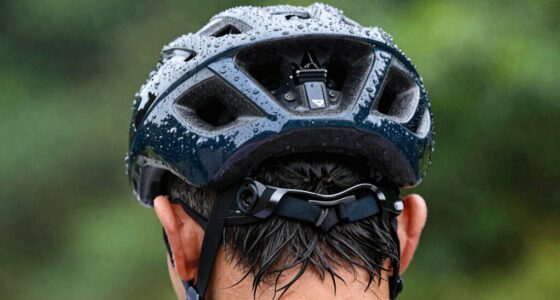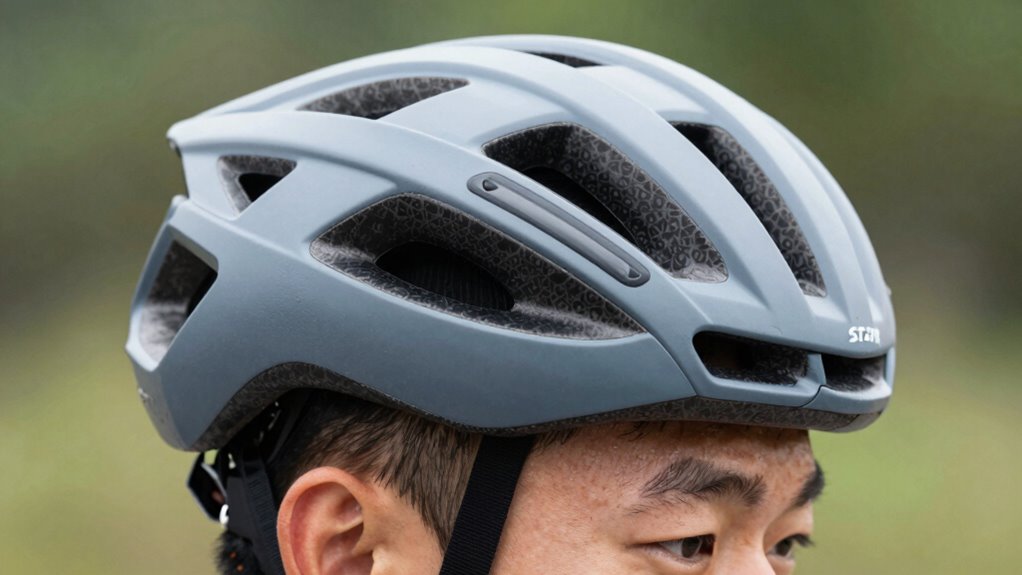

To guarantee your helmet fits correctly, perform the 30-second shake test: put it on snugly, adjust the straps, and gently shake your head side to side and front to back. If the helmet shifts or moves easily, it’s too loose—you need to tighten the straps or padding. A secure fit is essential for safety. Keep this in mind and explore further to learn how to perfect your helmet fit every time.

Get bike and ride gear delivered free — and shop member deals
- Fast, free delivery on millions of items
- Access to Prime Big Deal Days deals on October 6–7
- Prime Video, Amazon Music and more included
Key Takeaways
- Perform the shake test by gently moving your helmet side to side and front to back to check for looseness.
- If the helmet shifts noticeably, tighten straps or adjust padding until it feels secure.
- Ensure the helmet sits level, covering your forehead, and does not tilt forward or backward.
- Regularly re-test the fit after adjustments or helmet changes to maintain proper security.
- Avoid relying solely on padding; a proper fit requires a snug, stable helmet that doesn’t move easily.
Why Proper Helmet Fit Is Critical for Safety
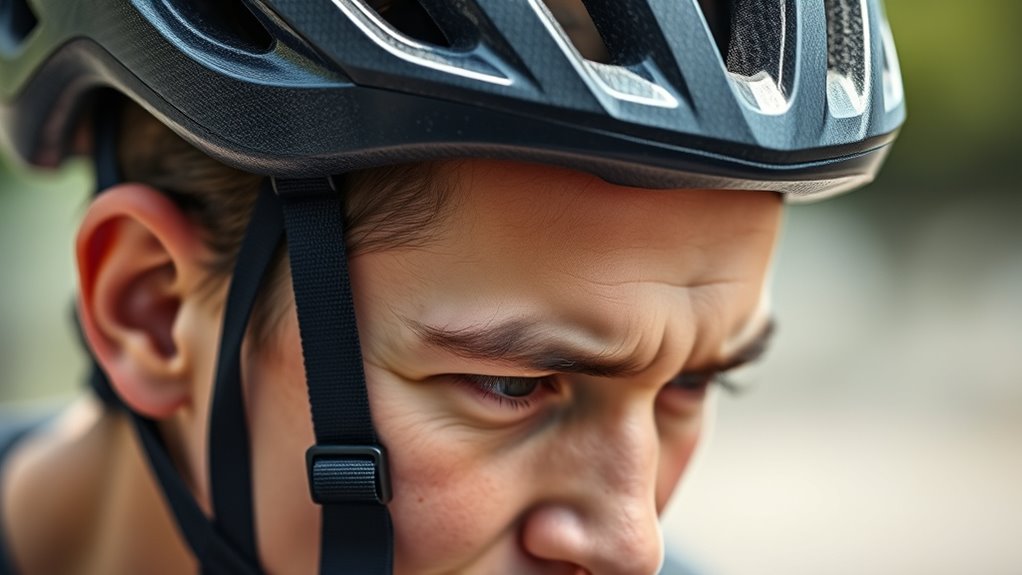
A properly fitting helmet is essential because it directly impacts your safety in case of a fall or collision. When your helmet fits correctly, it stays securely in place, providing maximum protection during impact. Proper fit helps prevent injury risks by ensuring the helmet remains aligned with your head during an accident. Poor fit can cause the helmet to shift or come off, reducing its ability to absorb shock effectively. Following fit guidelines ensures the helmet sits snugly without being too tight, preventing discomfort and movement. A well-fitted helmet distributes impact forces evenly across your head, minimizing injury risk. Remember, helmet safety depends on more than just wearing a helmet; it requires the right fit. Taking the time to adjust straps and check fit regularly can help identify proper helmet fit, ensuring your helmet offers ideal protection at all times. Proper fit is your first line of defense, and understanding how different helmet technologies, such as impact absorption methods, influence safety can further enhance your protection.
How to Perform the 30-Second Shake Test
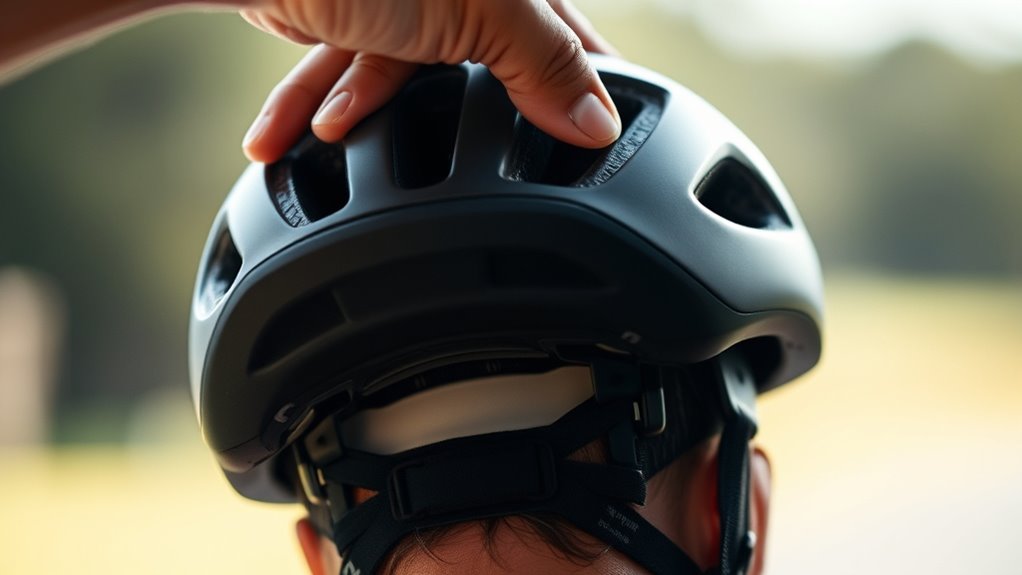
Performing the 30-second shake test is a quick and effective way to check if your helmet fits properly. First, put on your helmet, ensuring the helmet padding is snug but comfortable. Fasten the chin strap securely, with the tension just right—not too tight or loose. Stand still, then gently shake your head side to side and front to back. If the helmet shifts noticeably or feels loose, it doesn’t fit correctly. Keep adjusting the padding or strap tension until the helmet feels secure without discomfort. Regularly checking your helmet fit can help prevent injuries and ensure safety during rides. Remember that a proper fit is crucial for helmet safety, so take the time to get it right. Using the correct fitting techniques can make a significant difference in your protection. Additionally, inspecting your helmet regularly for wear and damage can help maintain its protective integrity. Use this visual guide to help:
| Step | Action | Key Focus |
|---|---|---|
| 1 | Put on helmet and adjust padding | Comfort and fit |
| 2 | Fasten chin strap, check tension | Secure but comfortable |
| 3 | Shake head gently | Helmet movement |
| 4 | Make adjustments as needed | Fit and security |
Interpreting Shake Test Results and Adjustments Needed
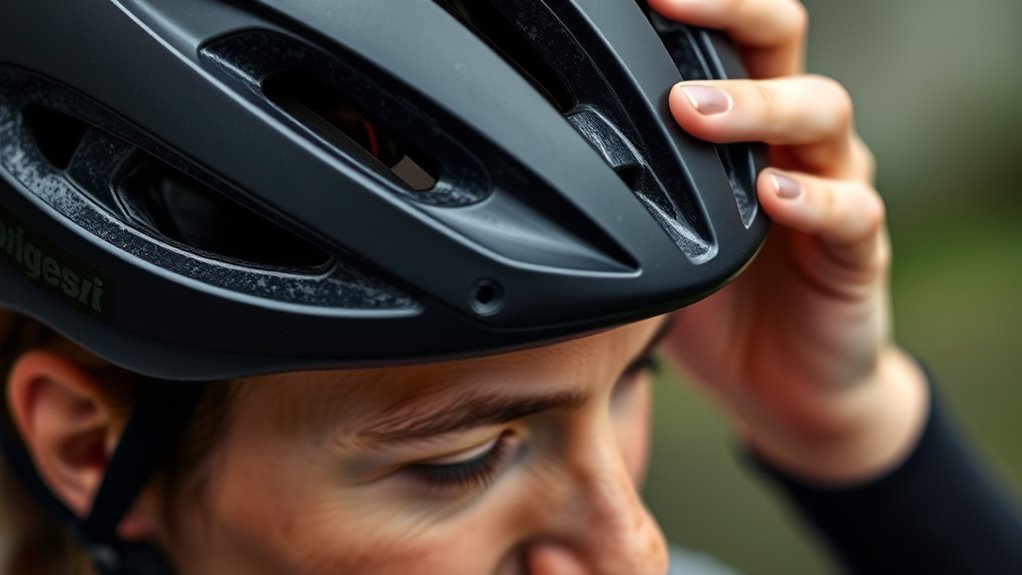
When you shake your head and notice the helmet moves or feels loose, it indicates that the fit isn’t secure enough. To improve it, consider these adjustments:
- Check helmet padding – adding or removing padding can tighten or loosen the fit, ensuring it sits snugly without pressure points.
- Adjust the chin strap – tighten the strap so it holds the helmet firmly against your head, but avoid discomfort.
- Reassess shake test – after adjustments, perform the shake test again. A properly fitted helmet shouldn’t shift easily, providing best protection and comfort.
- Ensure proper helmet fit and comfort by verifying the helmet conforms to your head shape for optimal safety.
Common Helmet Fit Mistakes to Avoid
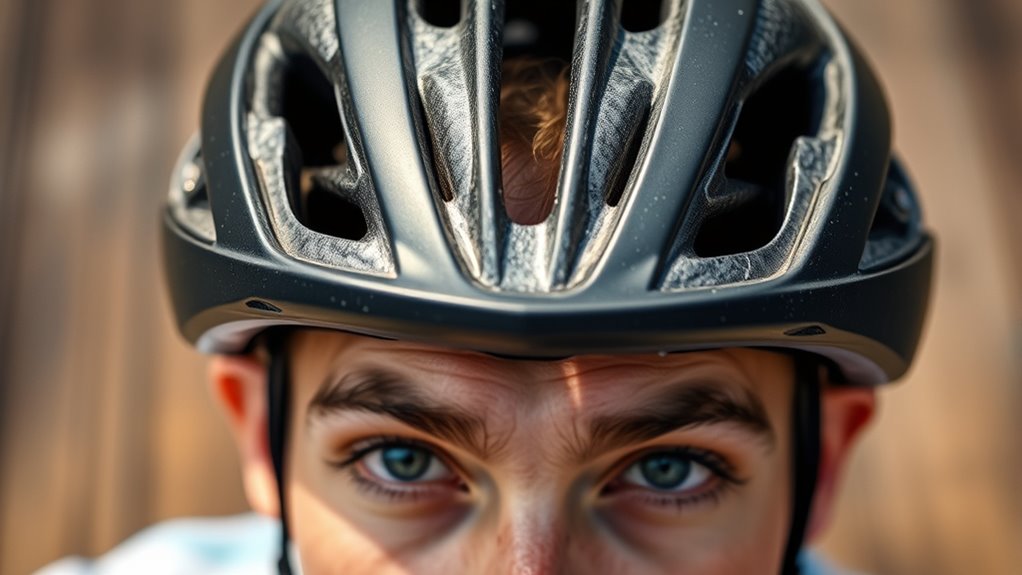
Fitting your helmet correctly is key to guaranteeing ideal protection, but common mistakes can compromise both safety and comfort. One mistake is relying solely on helmet padding to achieve a snug fit; if the padding is too thick or uneven, it can cause discomfort and reduce impact absorption. Another mistake is neglecting the chin strap; a loose strap lets the helmet shift during a crash, while an overly tight one causes pain and pressure points. Ensure the chin strap is snug but not restrictive, and check that the helmet sits level on your head without tilting forward or backward. Proper helmet fit involves adjusting the padding and straps to fit securely without discomfort. Avoid these pitfalls by adjusting the padding properly and securing the chin strap correctly. Correct fit enhances safety, comfort, and confidence during every ride. Additionally, understanding the importance of proper helmet fit can significantly reduce injury risk in case of an accident, especially since industry trends emphasize precise fitting techniques for maximum protection. To achieve the best fit, consider performing the 30-second shake test, which helps verify that the helmet stays securely in place. Using the best helmet materials can also improve overall safety and comfort by providing better impact absorption and breathability.
Tips for Ensuring Your Helmet Fits Perfectly Every Time

To make certain your helmet fits perfectly every time, start by measuring your head with a flexible tape measure to find the right size. Proper helmet sizing guarantees comfort and safety. Once you have the right size, follow these tips:
Ensure a perfect, safe fit by measuring your head and adjusting your helmet properly.
- Adjust the strap tension so the helmet sits snugly without feeling tight—aim for a secure fit that doesn’t shift.
- Check the helmet’s position; it should sit level on your head, covering your forehead slightly above your eyebrows.
- Perform the 30‑Second Shake Test regularly—if the helmet moves excessively, tighten the straps and re-evaluate the fit.
- Remember that helmet fit can vary slightly with different helmet models or head shapes, so always double-check for a secure and comfortable fit each time you ride. Ensuring a proper fit is essential for helmet safety and can help prevent injuries during an accident. Proper fit also depends on the helmet design, which influences how well the helmet conforms to your head shape. Additionally, research shows that sound vibrations can influence brainwave patterns, which highlights the importance of a well-fitting helmet to ensure optimal protection. A well-designed helmet can also incorporate features that enhance the overall helmet performance, ensuring maximum safety. Consistently fine-tuning strap tension and verifying helmet positioning help maintain a perfect fit every time you ride.
Frequently Asked Questions
How Often Should I Recheck My Helmet’s Fit?
You should recheck your helmet’s fit every few months or whenever you notice any changes in comfort or positioning. Regular fit adjustment is essential for helmet safety, ensuring it remains snug and secure. Also, if you’ve had a fall or hit, reassess the fit immediately. Consistently verifying your helmet fit helps maintain maximum protection, preventing it from shifting or becoming less effective over time.
Can Helmet Fit Change Over Time?
Just like your shoes, your helmet fit can change over time. Regular helmet adjustment and fit maintenance are essential because factors like temperature, impact, or even hair growth can loosen or shift the helmet. You might not notice right away, but a loose helmet compromises safety. Check your fit often, especially after crashes or long use, to make certain it stays snug and protective, keeping you safe on every ride.
What Materials Are Best for a Secure Helmet Fit?
You should look for helmets with quality foam padding and adjustable chin strap tension to guarantee a secure fit. The padding provides comfort and absorbs impact, while proper chin strap tension keeps the helmet snug without being too tight. Make sure the padding is firm but comfortable, and always adjust the chin strap to prevent movement. This combination ensures your helmet stays in place and offers maximum protection during your ride.
Does Helmet Size Vary Between Brands?
Yes, helmet sizing varies between brands because each brand may use different sizing standards and fit models. When shopping, you should always check the specific sizing chart for each brand and try on helmets whenever possible. Don’t assume that a size small from one brand will fit the same as a size small from another. Proper helmet sizing guarantees safety and comfort, so take the time to find the right fit for each brand.
Are There Specific Helmet Types Better for Certain Activities?
You’ll find that activity-specific helmets are your best bet for safety and comfort because they’re designed with the right helmet material for each activity. For example, biking helmets focus on lightweight materials for agility, while skate helmets prioritize durability and impact absorption. Choosing the right helmet type depends on your activity; it’s like wearing a suit tailored perfectly to protect you during your adventure, ensuring peak safety and performance.
Conclusion
Now that you know the 30-second shake test, will you take the time to check your helmet’s fit before your next ride? A simple adjustment could be the difference between complete safety and a dangerous mishap. Don’t leave it to chance—trust your instincts and make sure your helmet’s snug and secure. One quick shake could save your life. Are you ready to ride with confidence? The choice is yours—make it the right one.
Fall Picks
fall essentials
As an affiliate, we earn on qualifying purchases.