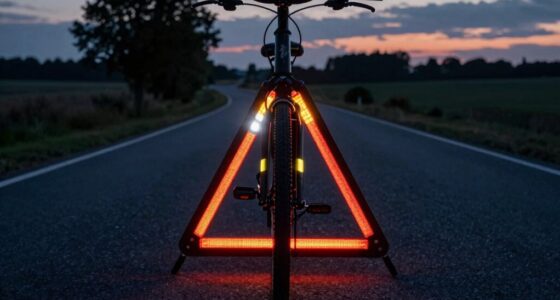
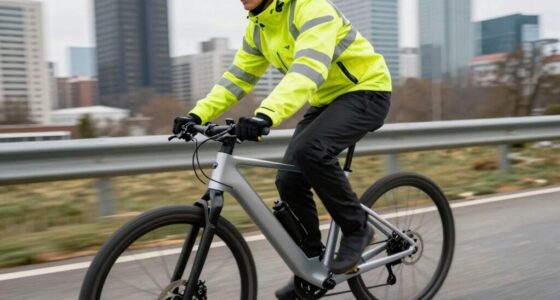
If your bike’s headlights are aimed too high, it can blind oncoming drivers and reduce your visibility of hazards. To fix this tonight, find a flat wall about 25 feet away, mark where the beams hit, and adjust the headlight’s vertical and horizontal angles using the screws or wrenches provided. Make sure the beam hits the ground 10-15 meters ahead, not above it. Continue with us to learn more tips for safe night riding.
Open a free Amazon Business account
Business pricing, bulk buying and tax-exempt orders.
As an affiliate, we earn on qualifying purchases.
Key Takeaways
- Properly adjust headlights by aiming the beam 10-15 meters ahead on a flat wall, not directly at oncoming traffic.
- Use adjustment screws or tools to fine-tune vertical and horizontal angles for optimal alignment.
- Test headlight aim on open road after initial adjustment to ensure proper reach and focus.
- Regularly check and maintain headlight position to prevent misalignment and glare issues.
- Seek professional help if headlights still produce glare or uneven illumination despite adjustments.

JDBMAOYE Smart Bike Helmet Adult Men Women Teens, Ebike Helmets with Light
- Safety Certification: CPSC, ROHS, ASTM approved
- Impact Protection: EPS cushioning and PC shell
- Adjustable Fit: Fits head sizes 58-61cm
As an affiliate, we earn on qualifying purchases.
Why Proper Headlight Alignment Matters for Night Riders
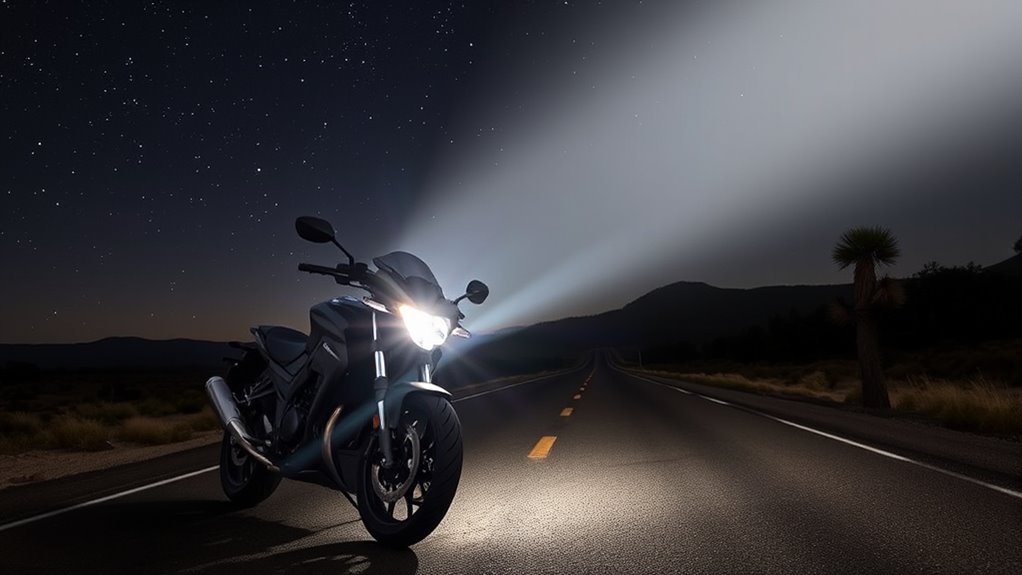
Proper headlight alignment is essential for night riders because it directly affects visibility and safety on the road. With advances in headlight technology, headlights now offer brighter, more focused beams that improve rider visibility. However, if your headlights aren’t properly aligned, they can create blind spots or fail to illuminate obstacles ahead. Misaligned lights can also dazzle oncoming drivers, increasing the risk of accidents. Ensuring your headlights are correctly aimed allows you to maximize the benefits of modern headlight technology while maintaining safe visibility during night rides. Proper alignment is a simple yet vital step to avoid accidents, enhance your riding experience, and guarantee you see and are seen clearly in low-light conditions.
Common Signs That Your Lights Are Too High

If your headlights are aimed too high, you might notice limited visibility on the road ahead, making it harder to see obstacles. You could also be causing glare for other drivers, which can be dangerous and irritating. Additionally, excessive light bleed might make your lights look uneven or overly bright, indicating they’re set too high.
Limited Road Visibility
When your headlights are set too high, you’ll notice limited visibility on the road ahead. Bright beams can actually blind oncoming drivers and cause you to miss important road signs or obstacles. This reduces your overall safety and makes night riding riskier. Proper tail light maintenance and ensuring your brake light function correctly are essential, as they alert others to your presence and actions. If your lights are aimed improperly, you might also struggle to see pedestrians or animals near the roadside. Additionally, light aiming plays a crucial role in maintaining safe driving conditions.
Glare for Others
Bright headlights that are aimed too high don’t just impair your own visibility—they can also cause significant glare for other drivers. When your beam focus is off, it creates discomfort and danger on the road. Signs of excessive glare include:
- Other drivers frequently blinking or flashing their lights at you.
- Vehicles ahead struggling to see your headlights clearly.
- Drivers squinting or shielding their eyes as you approach.
- You notice your own lights seem overly bright or cause reflections.
To reduce glare, adjust your headlights for proper glare reduction and beam focus. Properly aimed lights minimize discomfort for others while maintaining your visibility. Correcting your headlight angle tonight can improve safety for everyone on the road.
Excessive Light Bleed
Excessive light bleed occurs when your headlights are aimed too high, causing the beams to extend beyond the road and illuminate areas they shouldn’t. This results in a distorted beam pattern that spreads light into traffic signs, pedestrians, or oncoming vehicles, making it harder for everyone to see clearly. If you notice a bright, unfocused glow around your headlights or find that your lights seem overly intense even with standard bulb brightness, it’s a sign your lights are too high. Proper alignment guarantees your beams stay focused on the road, providing ideal visibility without causing glare for others. Adjusting your headlight aim can eliminate this light bleed, improve safety, and ensure you’re not unintentionally blinding other drivers. Additionally, understanding modern lighting technology can help you select the best options for visibility and safety.
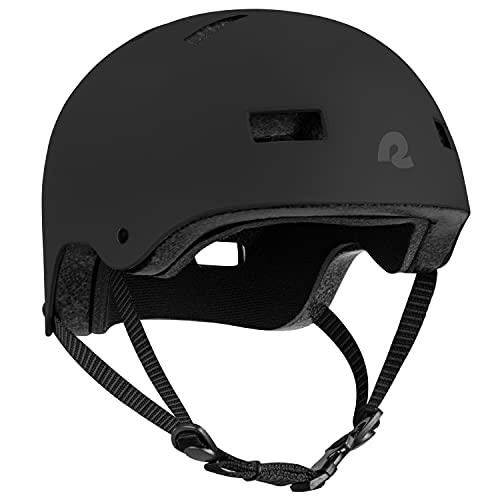
Retrospec Dakota Protective Bike Helmet, Skateboard, Scooter, Adults/Youth
- Multi-sport protection: Suitable for BMX, skating, scooters, bikes
- Impact resistant shell: Durable ABS with shock-absorbing EPS foam
- Enhanced ventilation: Ten vents for 360-degree airflow
As an affiliate, we earn on qualifying purchases.
The Risks of Over-aiming Your Bike Lights

Over-aiming your bike lights might seem like a good way to see further down the road, but it can actually create significant risks. When you focus the beam too high, the light intensity is directed away from the road surface, reducing your immediate visibility. This can lead to:
Over-aiming your bike lights reduces visibility and increases accident risk.
- Blinding oncoming drivers or pedestrians, increasing accident risk
- Missing vital road hazards like potholes or debris
- Creating glare that can obscure your peripheral vision
- Wasting battery power on unnecessary illumination above your line of sight
Proper beam focus ensures your lights illuminate the road directly in front of you, improving safety. Over-aiming compromises this balance, making night riding more dangerous than it needs to be. Proper lighting technique is essential for maximizing your visibility without causing hazards for others.

Kingling Electric Scooter Bag for M365/M365 Pro EScooter 49''Lx10''Wx18''H
- Durable Waterproof Material: Made of heavy-duty 600D Oxford fabric
- Universal Fit for Scooters: Fits most foldable electric scooters
- Multi-purpose Design: Can be used as a bag or backpack
As an affiliate, we earn on qualifying purchases.
Step-by-Step Guide to Adjusting Your Headlights

Adjusting your bike headlights correctly can considerably improve your safety during night rides. Proper alignment ensures best motorcycle lighting, illuminating the road without blinding others. Start by finding a flat surface facing a wall about 25 feet away. Mark the wall where your headlights shine. Use your bike’s adjustment screws, usually located on the headlight housing, to fine-tune their angle. For modern headlight technology, consult your motorcycle manual for specific instructions. The table below highlights key adjustments:
| Adjustment Type | Goal | Common Tools Needed |
|---|---|---|
| Vertical | Prevent high beam glare | Screwdriver, Allen wrench |
| Horizontal | Keep lights centered | Basic wrench |
| Low Beam | Maximize road visibility | No tools, manual check |
| High Beam | Ensure proper reach | Test on open road |
Properly aligned headlights improve safety and visibility. Understanding headlight alignment is essential for ensuring your bike’s lighting system functions optimally and adheres to safety standards.
Tools and Techniques for Accurate Light Positioning
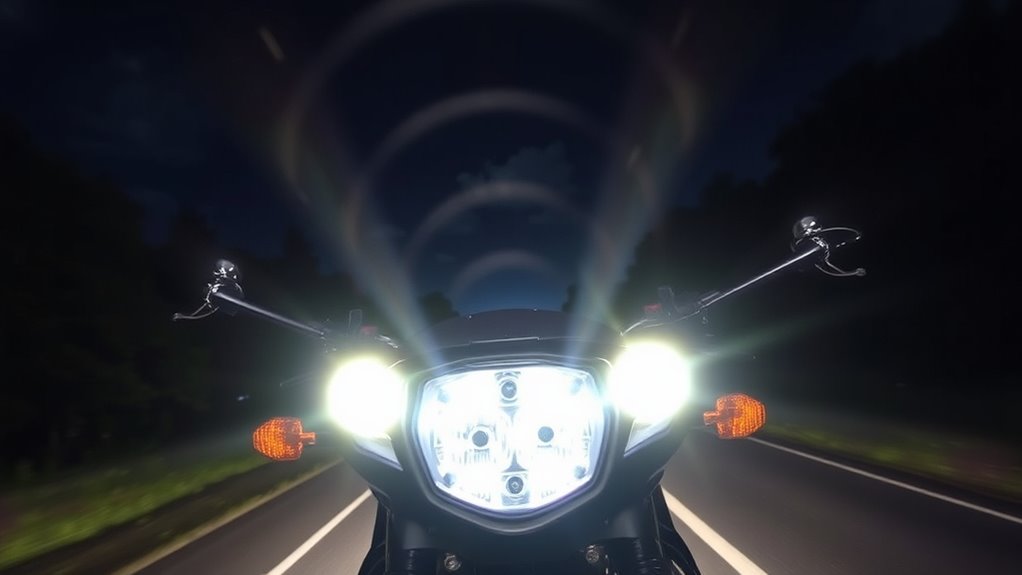
To guarantee your headlights are correctly aimed, you need to focus on proper mounting angles and use reliable alignment tools. These tools help you set the lights precisely where they should be for maximum visibility. Mastering these techniques prevents blinding oncoming drivers and improves your safety on the road.
Proper Mounting Angles
Achieving the correct mounting angle for your lights is essential for ideal visibility and safety during night riding. Proper mounting position ensures your beam pattern illuminates the road ahead without blinding others. To get this right:
- Start with the light mounted at a height that aligns with your handlebars or fork crown.
- Tilt the light downward slightly to prevent aiming too high and causing glare.
- Adjust the angle until the beam hits the ground about 10-15 meters ahead.
- Check that the beam pattern is wide enough for peripheral awareness but focused enough for distance.
This setup minimizes shadows and blind spots, improving overall visibility. Remember, a well-mounted light enhances your safety and rider confidence during night rides.
Using Alignment Tools
Using alignment tools can considerably improve the accuracy of your light placement by providing precise measurements and consistent positioning. These tools help you achieve ideal lighting aesthetics, ensuring your headlights illuminate the road without blinding oncoming drivers. Different headlight styles require specific adjustments, and alignment tools make it easier to fine-tune these angles accurately. By using a beam setter or a headlight alignment device, you can verify that your lights are aimed correctly—neither too high nor too low. Proper alignment reduces glare and enhances safety during night rides. Incorporating these tools into your maintenance routine ensures your headlights perform at their best, giving you clear visibility and a professional look. Accurate positioning is key to a safer, more comfortable night riding experience. Additionally, understanding your vehicle’s navigation and mapping systems can help you identify and correct misalignments more effectively. Regularly checking your headlight alignment can prevent issues before they become hazards. Using alignment tools also simplifies troubleshooting when lights seem misaligned, saving you time and effort.
Tips for Testing and Confirming Correct Light Aim

Ensuring your headlights are properly aimed is essential for safe night riding, but it can be tricky to get it right without testing. To confirm your headlight brightness and beam pattern, follow these steps:
- Park your bike about 25 feet from a flat wall, ensuring it’s on level ground.
- Turn on your headlights and observe the beam, noting if it’s centered and consistent.
- Mark the cutoff line where the beam hits the wall, paying attention to if it’s too high or low.
- Adjust your headlights if the beam pattern illuminates too high, too low, or unevenly, then repeat the test until the pattern is correct. Proper headlight aim is crucial to avoid glare for oncoming traffic and improve visibility.
- Proper headlight aim improves visibility and home security, making your night rides safer.
- Regularly verifying your headlight alignment can prevent scenic surprises and ensure you’re always prepared. Additionally, understanding the cryptid mysteries and folklore associated with nighttime adventures can add an element of fun and caution to your rides.
- Consistent maintenance and testing of your headlights can also extend bulb life and ensure optimal performance during every ride.
How Proper Lighting Enhances Your Visibility and Safety

Proper lighting is essential because it directly impacts how well you can see the road and be seen by other drivers. Using the right light color and beam patterns improves visibility and safety. Bright, white lights enhance contrast, making obstacles clearer, while warmer tones reduce glare for oncoming traffic. Well-designed beam patterns focus light appropriately, illuminating the road without blinding others. Selecting the appropriate lighting also involves understanding visual perception, which influences how your eyes adapt to different lighting conditions. Choosing the correct combination ensures you spot hazards early and avoid blinding others, keeping you safer during night rides. Proper lighting isn’t just about brightness; it’s about strategic illumination.
When to Seek Professional Help for Headlight Adjustment

Even if you’ve adjusted your headlights yourself, there are times when professional help becomes necessary. If you notice persistent issues with your headlights, a professional assessment can guarantee proper alignment and safety. Consider scheduling a maintenance appointment if you experience:
- Uneven light distribution or glare that distorts visibility.
- Difficulty seeing clearly at night despite previous adjustments.
- Frequent dashboard warnings related to headlight malfunctions.
- After any accident or impact that might have shifted your headlights out of alignment.
- Proper headlight aiming to ensure your headlights meet safety standards and provide optimal visibility. Regular inspections can also help catch wave and wind influences that may affect headlight performance. A professional assessment guarantees your headlights meet safety standards and are properly aimed. Don’t ignore these signs—seeking help ensures ideal visibility and reduces risk during night rides. Trusting experts for headlight adjustment keeps you safe on the road.
Final Checks to Ensure Your Lights Are Set Correctly

Before hitting the road again, it is vital to perform a few final checks to confirm your headlights are correctly aligned. First, inspect your lighting accessories to verify they are securely mounted and free of damage. Turn on your lights and stand about 10-15 feet in front of your bike to observe the beam pattern. The headlights should be level, not pointed too high or low, to maximize rider visibility without blinding others. Adjust the headlight angles if necessary, following your bike’s manual. Check that all auxiliary lights or reflective gear are clean and functioning properly. Properly aligned lights improve rider visibility, especially in dark conditions, reducing the risk of accidents. These final steps ensure your lights serve their purpose effectively during night rides.
Frequently Asked Questions
Can Improper Headlight Alignment Cause Legal Issues?
Yes, improper headlight alignment can cause legal issues because it may violate headlight regulations and jeopardize your legal compliance. When your headlights are aimed too high or low, it could lead to a traffic stop or fines, especially if they blind other drivers or fail to illuminate the road properly. To avoid legal trouble, make sure your headlights are correctly aligned according to local headlight regulations.
How Often Should I Check My Bike’s Headlight Alignment?
You should check your bike’s headlight alignment every few months—because, sure, who doesn’t love a surprise when your brightness suddenly dims or blares too high? Use proper alignment tools and inspect for headlight brightness consistency. Regular checks guarantee safe night riding, prevent glare for others, and keep you legal on the road. Don’t wait until your beam is misaligned; a quick check now can save you headaches later.
Are There Specific Regulations for Headlight Height?
Yes, there are specific headlight regulations you need to follow for legal compliance. These laws typically specify the maximum and minimum height for bike headlights to ensure proper visibility without blinding others. Check your local traffic laws or cycling regulations, as they vary by region. Staying within these guidelines helps you avoid fines and ensures safe night riding. Always verify your headlight height before heading out to stay compliant and safe.
What Are Common Mistakes in Headlight Adjustment?
A common mistake in headlight adjustment is ignoring beam misalignment, which can cause poor visibility or glare. You might also overlook bulb brightness, leading to dim lights that reduce your safety. Always check that your beams are properly aligned, aiming slightly downward to avoid blinding others, and ensure your bulbs are bright enough for clear night riding. Properly adjusting your headlights enhances visibility and keeps you safe on the road.
Can Weather Conditions Affect Headlight Performance?
Weather conditions can dull your headlight brightness, turning your ride into a dimly lit path through a foggy dream. Foggy conditions scatter light, making it harder to see clearly and be seen. Rain and snow can also diminish your headlights’ effectiveness, like trying to read in a rainstorm. To stay safe, make sure your headlights are clean and properly aimed, and consider using auxiliary lights to cut through the gloom.
Conclusion
Getting your headlights properly aimed is essential for safe night riding. Don’t let your lights be a blind spot—aiming too high can do more harm than good. Take the time tonight to make these simple adjustments; it’s a small effort with big rewards. Remember, a stitch in time saves nine, so addressing this now keeps you safe on the road and prevents bigger issues later. Stay vigilant and light the way safely!
Flea & tick season Picks
flea and tick prevention
As an affiliate, we earn on qualifying purchases.