
In California, whether you can ride your e-bike depends on its class and where you’re going. Class 1 and 2 bikes, which max out at 20 mph, are permitted on most bike lanes, bike paths, and streets. Class 3 bikes, going up to 28 mph, are usually restricted from bike paths and some lanes, so you should check local rules. Always wear a helmet if you’re under 18, and confirm your bike has proper equipment. Keep going to find out how to stay safe and ride legally everywhere.

Get bike and ride gear delivered free — and shop member deals
- Fast, free delivery on millions of items
- Access to Prime Big Deal Days deals on October 6–7
- Prime Video, Amazon Music and more included
Key Takeaways
- Class 1 and 2 e-bikes are allowed on most bike paths, lanes, and streets, while Class 3 has restrictions depending on local laws.
- Helmet use is legally required for riders under 18; adults are encouraged to wear helmets for safety.
- Properly classified e-bikes with functioning brakes and, for Class 3, a speedometer, must be used to stay compliant.
- Check local city or county regulations, as some areas restrict e-bike access to certain zones or streets.
- Riding within designated areas and following equipment and safety rules helps ensure legal and safe e-bike use.
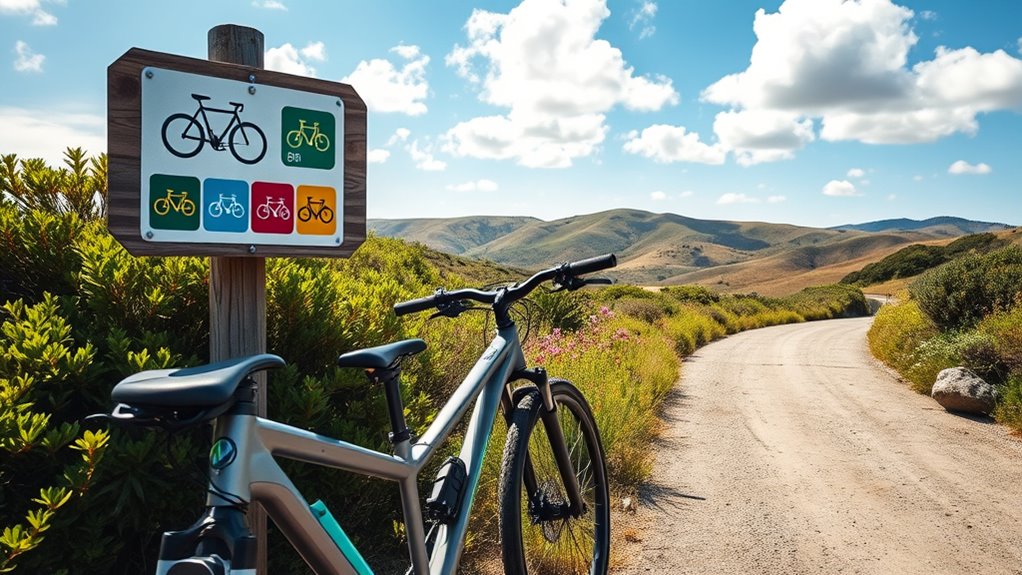
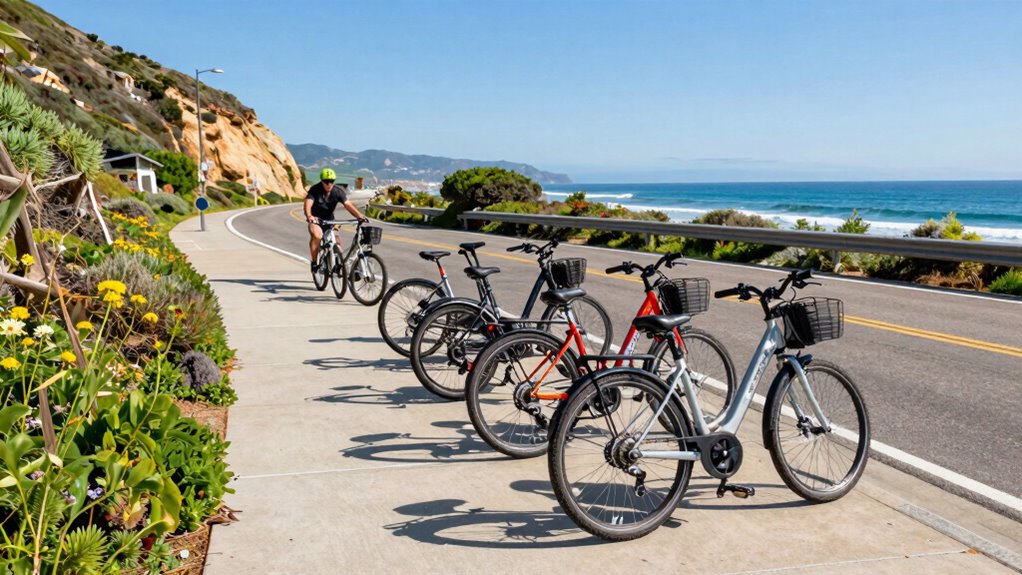
Are you wondering what the rules are for riding e-bikes in California? If so, you’re not alone. The state has specific regulations to guarantee rider safety and proper classification of electric bikes. Understanding these rules can help you ride legally and confidently, whether you’re commuting or exploring scenic trails. One of the first things to know is how California classifies e-bikes. There are three main categories: Class 1, Class 2, and Class 3. Class 1 e-bikes provide pedal-assist only up to 20 mph and don’t have a throttle. Class 2 e-bikes also have a maximum speed of 20 mph but include a throttle that can propel the bike without pedaling. Class 3 bikes are pedal-assist only, with speeds up to 28 mph, and often come equipped with a speedometer. Knowing your e-bike’s classification helps determine where you can ride, as different classes have different rules about where they’re allowed. Proper classification ensures you stay within legal riding areas and follow local regulations.
When it comes to helmet laws, California requires all e-bike riders under the age of 18 to wear a helmet, regardless of the bike’s class. For adults, helmet use isn’t legally mandated, but it’s highly recommended for safety. Wearing a helmet can protect you in case of falls or accidents, which are always a risk when riding any bike. Even if you’re riding a Class 1 or Class 2 e-bike on a bike path or street, don’t skip out on safety gear. Many local jurisdictions may have their own helmet laws, so it’s wise to check your specific area’s regulations before heading out.
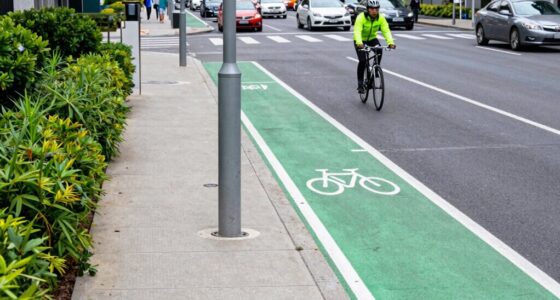
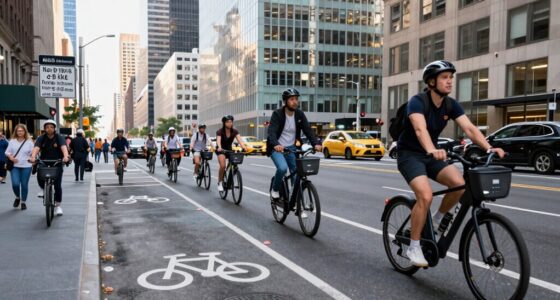
California’s rules also specify where you can ride your e-bike based on its classification. For instance, Class 1 and Class 2 bikes are generally allowed on bike paths, bike lanes, and streets. However, Class 3 e-bikes are often restricted from bike paths and certain bike lanes, with some cities allowing them only on streets. Always look for signage and local ordinances to avoid riding in prohibited areas. Also, remember that e-bikes must be equipped with functioning brakes and, for Class 3 bikes, a speedometer is required.
As an affiliate, we earn on qualifying purchases.
Frequently Asked Questions
Are E-Bikes Allowed on All California Bike Paths?
You can ride e-bikes on most California bike paths, but bike lane regulations vary depending on the e-bike classification. Class 1 and Class 2 e-bikes are generally permitted, while Class 3 bikes may be restricted on certain paths. Always check local signage and regulations before riding, as some bike paths have specific rules. Stick to designated lanes and respect posted signs to ensure safe and legal riding.
Do I Need a License to Ride an E-Bike?
Riding your e-bike is like steering a spaceship—you don’t need a license, but you do need to stay within the rules. California doesn’t require an e-bike license, but you might consider e-bike insurance for protection. While registration isn’t mandatory for most e-bikes, check local laws, especially if your bike is powerful. Stay informed, ride responsibly, and your journey will be smooth and enjoyable.
Can I Ride an E-Bike on Sidewalks in California?
You shouldn’t ride your e-bike on sidewalks in California, as it’s generally unsafe for pedestrians and isn’t allowed unless local laws specify otherwise. Focus on sidewalk safety by sticking to designated bike paths or roads. Remember, your e-bike classification determines where you can ride; Class 1 and 2 bikes typically must stay on bike lanes or streets, not sidewalks. Always check local regulations to stay compliant.
Are There Age Restrictions for E-Bike Riders?
You’re probably too young to need a special license or worry about age restrictions, right? Well, not exactly. In California, e-bike riders must be at least 16 years old to ride on public roads, and some areas may have additional rules. No e-bike licensing is required, but respecting age restrictions keeps everyone safe. So, don’t underestimate those age limits—they’re there for your safety and everyone else’s.
How Fast Can I Legally Ride My E-Bike in California?
In California, you can legally ride your e-bike up to 20 mph on most roads and bike paths. Speed limits vary depending on where you’re riding, so always check local rules. Remember, helmet laws apply if you’re under 18, and wearing a helmet is highly recommended for safety. Stay within the speed limits and follow all traffic laws to make certain a safe, legal ride.
As an affiliate, we earn on qualifying purchases.
Conclusion
Understanding California’s e-bike rules is like having a map in a new city—you’ll navigate smoothly and enjoy the ride. By following the regulations, you guarantee safety for yourself and others while exploring all the scenic routes. Remember, riding responsibly keeps the road a welcoming place for everyone. So gear up, stay informed, and let your e-bike adventures unfold like a well-tuned symphony—harmonious, exciting, and trouble-free. Happy riding!
As an affiliate, we earn on qualifying purchases.
As an affiliate, we earn on qualifying purchases.
Halloween Picks
halloween
As an affiliate, we earn on qualifying purchases.