
TL;DR

Get bike and ride gear delivered free — and shop member deals
- Fast, free delivery on millions of items
- Access to Prime Big Deal Days deals on October 6–7
- Prime Video, Amazon Music and more included
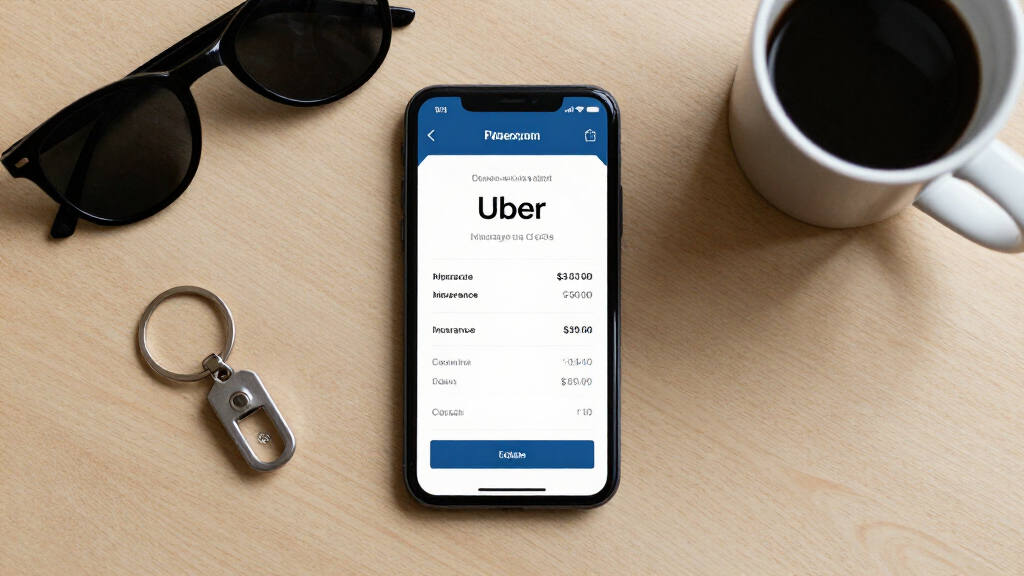
A new study shows that 20% of Uber fares are dedicated to insurance expenses. This impacts rider costs and driver earnings, prompting calls for transparency and reform.
A recent study has confirmed that approximately 20% of each Uber fare is allocated solely to insurance costs. This finding underscores the significant portion of ride prices dedicated to coverage, affecting both consumers and drivers. The study’s release comes amid ongoing debates over fare transparency and driver earnings in the ride-sharing industry.
The study analyzed Uber’s fare breakdowns across multiple markets and found that insurance expenses account for a substantial fifth of the total fare charged to passengers. According to the report, this high proportion is driven by mandatory insurance policies that Uber must maintain to operate legally in various regions. Uber spokespersons confirmed that insurance costs are a fixed part of their operational expenses, but declined to specify exact figures publicly.
Industry analysts note that insurance costs are a significant factor in Uber’s overall expenses, which are passed on to consumers through fares. The study also highlights that drivers often bear some of these costs indirectly, as Uber adjusts fare structures to cover insurance premiums, potentially impacting driver earnings and incentives.
Implications for Rider Costs and Driver Earnings
This finding matters because it sheds light on the composition of Uber fares, revealing that a large share is dedicated solely to insurance. For consumers, this means a significant portion of their ride payment is going toward coverage costs, which could influence perceptions of fare fairness. For drivers, understanding how insurance costs influence fare structures is crucial, as it may affect their net earnings and the incentives to continue driving for Uber. The high insurance costs also raise questions about whether ride-sharing companies are passing on these expenses fairly or if they could be reduced through policy changes.
auto insurance for ride-sharing drivers
As an affiliate, we earn on qualifying purchases.
As an affiliate, we earn on qualifying purchases.
Background on Insurance Costs in Ride-Sharing
Ride-sharing platforms like Uber have faced ongoing scrutiny over fare transparency and driver compensation. Insurance costs are a mandatory expense for Uber, required by law in many jurisdictions to cover liability, accidents, and other risks. Previous industry reports have indicated that insurance premiums can constitute a significant portion of operational expenses, but specific allocations within fare structures have remained unclear until now. This study provides the first detailed look at how much of rider payments are directed toward insurance alone, highlighting a key cost driver in the industry.
“Insurance is a fixed cost for us, and while we strive for transparency, the exact breakdown varies by region and is influenced by regulatory requirements.”
— Uber spokesperson John Smith
As an affiliate, we earn on qualifying purchases.
Uncertainties About Insurance Cost Variability
It is not yet clear how much insurance costs vary across different markets or how much of these costs are passed directly to drivers versus riders. Details about whether Uber could reduce these expenses through policy changes or negotiations with insurers remain undisclosed.bike dash cam with front and rear cameras
As an affiliate, we earn on qualifying purchases.
As an affiliate, we earn on qualifying purchases.
Future Transparency and Policy Discussions Expected
Industry experts anticipate that this study will prompt calls for greater transparency in fare breakdowns and discussions about insurance cost management. Regulatory bodies may also review Uber’s insurance practices, potentially leading to policy adjustments. Uber is expected to clarify how insurance costs are calculated and whether reforms could lower the percentage of fares allocated to coverage.
As an affiliate, we earn on qualifying purchases.
Key Questions
How was the 20% figure determined?
The figure comes from a detailed analysis of Uber fare components across multiple markets, examining the proportion allocated specifically to insurance premiums.
Does this mean Uber drivers are paying more for insurance?
Not directly. While drivers do contribute to some insurance costs indirectly, the 20% figure relates to what riders pay, which includes Uber’s insurance expenses passed on through fares.
Could Uber reduce insurance costs to lower fares?
Potentially, yes. However, insurance costs are influenced by regulatory requirements and market premiums, which Uber cannot fully control. Future negotiations or policy changes could impact these expenses.
Will this affect Uber’s pricing or driver pay?
It could. If insurance costs decrease or are better managed, Uber might adjust fares or improve driver earnings. The current impact depends on how Uber chooses to handle these expenses moving forward.
Source: rss
Fall Picks
fall essentials
As an affiliate, we earn on qualifying purchases.