TL;DR

Get bike and ride gear delivered free — and shop member deals
- Fast, free delivery on millions of items
- Access to Prime Big Deal Days deals on October 6–7
- Prime Video, Amazon Music and more included
Start with a properly fitted helmet, visible lights, a sturdy lock, and a pump or tire repair kit. Then choose luggage, comfort, and weather gear to match your routes, checking fit, load limits, and electrical compatibility before buying.
A grocery run can turn into a long walk when a flat tire meets an empty repair kit. The right electric bike accessories can help you avoid that scene, carry more comfortably, and feel more visible on busy streets.
Start with gear that protects you and keeps you moving, then add accessories for your own routes. You’ll learn what to buy first, how to check compatibility, and when cargo or battery upgrades need extra care.
Buy a helmet, lights, a sturdy lock, and tire repair gear before optional upgrades.
Confirm the exact bike model, mounting points, clearances, and load ratings before buying racks, seats, or baskets.
Use only a charger and battery approved for your e-bike system; matching connectors alone do not prove compatibility.
Keep cargo low and secure, and practice with added weight in a quiet area before riding in traffic.
Choose comfort and weather accessories to solve problems you meet on your own routes.
Start with four accessories that cover everyday rides
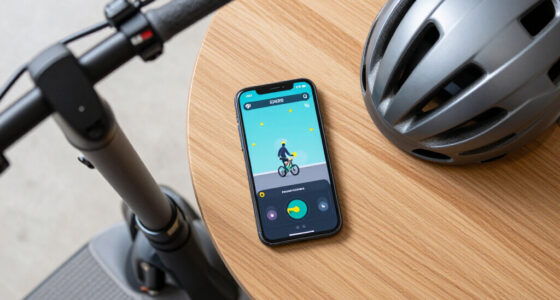
For most riders, the first electric bike accessories to buy are a well-fitted helmet, front and rear lights, a strong lock, and a pump or tire repair kit. These solve problems that can end a ride or make its risks harder to manage. The right choices depend on where and when you ride: a short, lit city commute has different needs from a dark rural route or a bike left outside for hours.
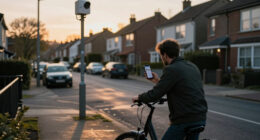
Imagine you leave work after sunset and hit a sharp piece of glass on the way home. A rear light helps approaching traffic notice you, while a pump and repair kit may turn a walk home into a roadside fix. A lock protects the bike when you stop, but its weight and the time it takes to secure can influence whether you carry it every day. Choose a level of security that fits the places and duration of your stops. A bell or horn can help you signal to pedestrians, though it does not replace slowing down when a path is crowded.
- Helmet: Choose one that fits snugly and stays level when you move your head. A poor fit can shift during a ride, so comfort and fit affect whether you wear it consistently.
- Lights: Pick lights suited to your route and local rules; aim them so drivers can see you without being dazzled. A stronger beam can help on unlit roads, while a lower setting may be enough for a lit street and preserve battery life.
- Lock: Secure the frame to a fixed object. A second lock can make sense for a high-value bike or long stops, but adds weight; prioritize a lock you will reliably bring and use.
- Repair gear: Carry a pump or inflator and a kit suited to your tire type. A compact kit saves space, but only helps if you know how to use it and have the right supplies for your tires.
Check your bike’s tires and brakes regularly, since an e-bike’s extra weight and speed can make worn parts more noticeable. For brake repairs or other safety-critical work, use a certified mechanic. Check your bike’s recall status through NHTSA when applicable, and follow local guidance for any bike-specific safety notices.
Check fit before you buy a part that looks universal
Many standard bicycle accessories work on an e-bike, but compatibility depends on the make and model, mounting points, clearances, and electrical system. Fit matters because an accessory that rubs a tire, catches a cable, or blocks a control can become a handling or reliability problem. A part that fits a standard bicycle may collide with an e-bike’s motor, battery, wiring, display, or frame shape.
Before ordering a rack or basket, check the bike manual for mounting locations and maximum load. A rack that attaches securely but exceeds the bike’s limit can put stress on the frame; one that sits too close to the wheel can interfere as the bike flexes or carries weight. For a light that connects to the main battery, confirm the connector and system requirements; for a phone mount, make sure you can still reach the display and controls. A tidy-looking cable can still snag or block a moving part.
- Identify your exact bike model and read its accessory or rack guidance. Similar model names can have different frame fittings or electrical systems.
- Compare mounting points and clearances, including the space around cables, battery, brakes, and motor. Allow for movement and loaded bags, not only an unloaded test fit.
- Check load ratings for both the bike and accessory, using the lower limit. The weakest-rated part sets the practical limit for the whole setup.
- Confirm electrical specifications when an accessory uses the bike’s battery or connects to its wiring. An incorrect connection can damage equipment or create an unsafe failure.
For example, two city e-bikes may both have rear racks, yet only one may support a particular child seat. A rack’s presence alone does not establish that it can safely carry a child or that the seat will attach correctly. If the maker does not confirm compatibility, ask a qualified bike shop before loading a child or heavy cargo.
Choose cargo gear that keeps your bike steady
Panniers, baskets, child seats, and trailers can turn an e-bike into a practical errand runner, as long as you stay within the bike and accessory load limits. Carrying capacity is only part of the decision: added weight changes how the bike accelerates, steers, and stops. A setup that works for a light bag may feel very different with a week’s groceries or a passenger.
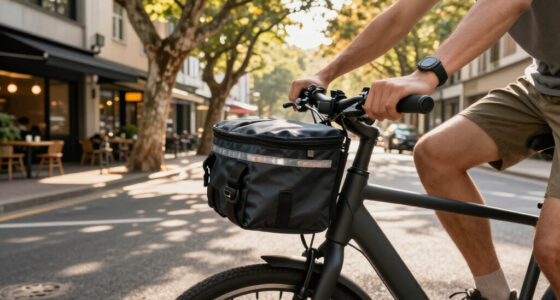
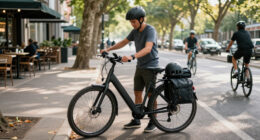
A pair of panniers keeps a laptop and groceries low beside the rear wheel, which can make the bike feel more settled than placing the same weight high on the handlebars. A tall handlebar basket is convenient to reach, but heavy items there can make steering feel less direct. For a weekly shop, keep heavy items low and centered, and use straps so a loaf of bread or water bottle cannot bounce into a wheel. Distribute weight across the bike where practical; an overloaded rack can affect both handling and the rack itself.
| Accessory | Works well for | Check before riding |
|---|---|---|
| Panniers | Commuting, groceries, touring | Rack limit, heel clearance, secure hooks |
| Basket | Light bags and quick errands | Mount stability and steering feel |
| Child seat | Carrying a child on approved bikes | Bike maker approval, rack or frame limit |
| Trailer | Bulky loads or family trips | Hitch compatibility, total load, braking |
Adding a child seat or trailer deserves extra attention: more weight means longer stopping distances and different handling. A trailer also adds length and can change how the bike behaves in turns, while a child seat raises the center of weight. Practice in a quiet area with a light load before riding in traffic, and have a shop check the installation if anything shifts or rubs.
Add comfort and rain gear for the routes you actually ride
The comfort upgrades that help most are the ones that solve a problem you feel repeatedly: sore hands, a wet back, or a saddle that turns a short commute into a fidgeting contest. Fenders, waterproof luggage, ergonomic grips, mirrors, and suitable gloves address different causes of discomfort, so the best purchase depends on what is bothering you. Buying several upgrades at once can make it harder to tell which change helped.
If your jacket arrives at work speckled with road spray, full fenders may help more than an expensive saddle. Fenders add some weight and need enough tire clearance, but they can make wet commutes more comfortable and reduce grime on the bike. If your hands go numb on a long paved route, try adjusting your grips or handlebar position before buying a suspension seatpost. Small fit changes can feel better than a box full of features, and they cost less to undo if they do not suit you.
On wet days, a waterproof pannier keeps spare clothes dry while a steady front light helps you stand out in gray weather. Waterproof bags can be more expensive or less convenient to open than ordinary luggage, so reserve them for gear that must stay dry. Keep lights visible without aiming them into other riders’ eyes, and check tire grip and brakes when roads are slick. An accessory can improve comfort, but it cannot make wet pavement behave like dry pavement.
Treat batteries and chargers as system-specific equipment
A spare battery can extend your range only when the bike’s system explicitly supports that battery and a safe way to carry or switch it. Use the manufacturer-specified charger; a connector that plugs in is not proof that the voltage or charging behavior matches your battery. These components are designed as part of an electrical system, so substituting based on appearance can risk damage or unsafe operation.
Range also changes with hills, cold weather, speed, cargo, and rider weight. A rider who gets home with plenty of charge on a mild spring commute may need more reserve on a cold, hilly winter route with loaded panniers. That means a larger battery is not automatically the best first solution: it may add weight and expense, while gentler assist settings or charging at the destination may address the same range concern. Track your own rides before paying for a larger battery.
For a phone mount, verify that it holds securely and leaves the controls visible. The mount itself does not drain the bike battery, though charging your phone from the bike can use some power. For a high-voltage battery or wiring repair, use a certified e-bike technician.
Build a small kit around your most likely roadside problem
A useful ride kit lets you handle the inconvenience you are most likely to meet without filling every pocket. For a short city commute, carry a charged phone, identification, multitool, and tire repair gear; for a longer ride, add water and a layer suited to the weather. The tradeoff is simple: carrying every possible spare adds bulk, while carrying too little can turn a fixable problem into a long delay.
One commuter might keep a spare tube and tire levers in a pannier because their tires use inner tubes. Another rider with tubeless tires may carry plugs and a compatible inflator instead. A kit that does not match the tire type is dead weight, so check what your bike uses and learn the repair at home before relying on it roadside. Replace supplies after you use them, since an empty sealant bottle or missing patch can be easy to overlook.
- Check tire pressure and lights before setting off; correct pressure can reduce avoidable punctures and improve how the bike rolls.
- Keep repair gear and a multitool together in a small pouch so you can find them quickly when conditions are inconvenient.
- Carry a charged backup light if your main light depends on the bike battery, especially on routes where stopping in darkness would be difficult.
- Use waterproof storage for electronics and anything you need to keep dry; a dry phone is also more useful for navigation or calling for help.
That five-minute check can prevent a dark ride home or a long wait beside a curb. If a repair involves brakes, the battery system, or damaged electrical wiring, leave it to a certified mechanic.
Frequently Asked Questions
Can I use regular bicycle accessories on an e-bike?
Often, yes, but check fit around the motor, battery, wiring, display, and frame. Confirm mounting points and load limits before using a rack, child seat, or other weight-bearing accessory.
Which electric bike accessories should I buy first?
Start with a properly fitted helmet, front and rear lights, a suitable lock, and a pump or repair kit. Add luggage, comfort upgrades, and weather gear based on your routes.
Can I use any charger with my e-bike?
No. Use a charger specified for your battery and electrical system. A plug that fits does not confirm that the charger has the correct voltage or charging behavior.
Will a second battery increase my e-bike range?
It can, if your bike’s system supports that specific battery and a safe way to carry or switch it. Hills, cold weather, speed, and cargo can also reduce range, so consider your riding conditions before buying.
Can I fit a child seat or trailer to my e-bike?
It depends on approval and load ratings for the bike, rack, frame, and accessory. Added weight changes braking and handling, so confirm compatibility with the manufacturer and practice in a quiet area before riding in traffic.
Conclusion
Buy accessories in the order your rides demand: protect yourself, stay visible, secure the bike, and handle a flat. Then add cargo or comfort gear only after checking that it fits your model and respects its load limits.
The best setup is the one that gets you home smoothly, with your groceries dry and your lights still glowing.
Fall Picks
fall essentials
As an affiliate, we earn on qualifying purchases.