
TL;DR

Get bike and ride gear delivered free — and shop member deals
- Fast, free delivery on millions of items
- Access to Prime Big Deal Days deals on October 6–7
- Prime Video, Amazon Music and more included
In an interview with Cycling Weekly, veteran endurance coach Joe Friel described the power meter as the biggest game-changer in endurance sport, saying it made cycling far more precise. He also said many wearables have not lived up to their hype and pointed to periodisation, motivation and sleep as important training considerations. The interview accompanies an updated edition of his book Fast After 50.
Endurance coach Joe Friel has called the power meter the biggest game-changer in endurance sport, saying the technology made cycling far more precise. In an interview with Cycling Weekly accompanying an updated edition of his book Fast After 50, Friel also questioned whether many current wearables deliver on their promises.
Friel told Cycling Weekly that power meters began changing endurance sport in the late 1980s. In his view, cycling moved from one of the least precise endurance sports to the most technical because athletes could measure their output directly. He said knowledge of training with power has continued to develop, including through concepts associated with TrainingPeaks, the platform he co-founded.
Friel’s coaching career began in 1980. He co-founded TrainingPeaks in 1999 with his son Dirk and colleague Gear Fisher. His book The Cyclist’s Training Bible, first published in 1996, is now in its fifth edition, according to the source report. The interview also accompanies an updated edition of Fast After 50: How to Race Strong for the Rest of Your Life.
Beyond equipment, Friel said periodisation has had the greatest impact among training principles such as periodisation, training zones and structured planning. He also argued that easy sessions form the foundation of endurance fitness, rather than serving only as recovery, and that training should change through phases instead of staying identical year-round.
How Power Changed Cycling Training
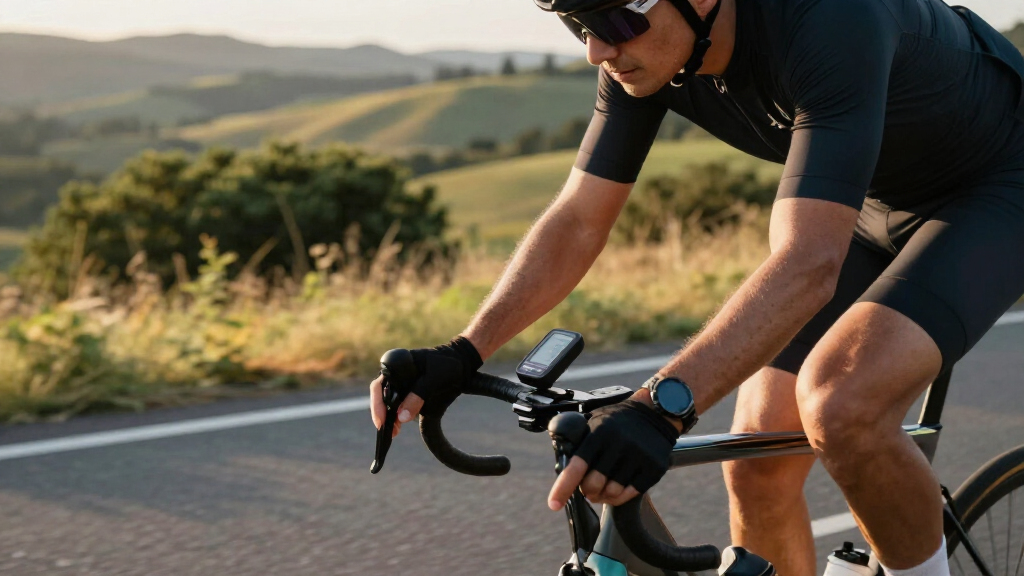
A power meter gives riders a measurement of work produced while cycling, allowing training and performance to be assessed with more direct data than effort estimates alone. Friel’s assessment reflects how that information has become part of structured coaching and athlete monitoring. It is his judgment as an experienced coach, not a quantified comparison of the technology’s effects across all endurance sports.
The comments also speak to a current tension in sports technology: more available data does not automatically mean more reliable or useful guidance. Friel said many wearables are inaccurate and have not matched expectations. His views are relevant to athletes weighing the value of training tools against fundamentals such as sound planning, rest and consistent motivation.
As an affiliate, we earn on qualifying purchases.
Friel’s Coaching and Training Work
Friel has worked in endurance coaching for more than four decades, with experience ranging from first-time competitors to national champions and Olympians, according to the report. He began as a marathon runner and running coach before moving into triathlon coaching in 1983. He holds a master’s degree in exercise science.
The Cyclist’s Training Bible helped bring periodisation and structured training into wider discussion among cyclists. Friel told Cycling Weekly that periodisation was used by some Western elite athletes from the 1970s, mainly in running, but was often misunderstood or unused by age-group athletes before he wrote about it. His broader advice in the interview was that training should reflect athletes’ individual circumstances, and that research findings may not apply equally to everyone.
“The biggest game-changer in the history of endurance sport was the power meter in the late 1980s.”
— Joe Friel, speaking to Cycling Weekly
As an affiliate, we earn on qualifying purchases.
Limits of Friel’s Technology Claims
Friel’s remarks are a coach’s assessment, and the interview does not provide comparative research or performance data establishing how much power meters improved results across endurance sports. It also does not specify which wearable devices he considers inaccurate, how their accuracy was evaluated or how widely the problem applies.
Friel said he expects a continuous lactate monitor to bring further training changes when one reaches the market. The interview does not identify a product, release date or evidence that such a monitor is close to commercial availability. His prediction should be understood as a view about a possible future development, not a confirmed launch.
As an affiliate, we earn on qualifying purchases.
Updated Book and Future Monitoring
The immediate development is the updated edition of Fast After 50, which revisits how athletes can race and train as they age. The source report does not state its release date or provide details of changes made in the new edition. Friel’s comments may also prompt readers to compare his advice with their own training needs rather than treating every device metric as decisive.
Further developments in endurance monitoring depend on whether continuous lactate technology becomes available and proves useful in practice. Until then, the interview records Friel’s expectation, not a confirmed timetable. For now, his stated priorities include periodised training, easy sessions, recovery and motivation alongside measurement tools.
As an affiliate, we earn on qualifying purchases.
Key Questions
What did Joe Friel call endurance sport’s biggest game-changer?
Friel called the power meter the biggest game-changer, saying it made cycling more precise by allowing athletes to measure power output.
When did power meters begin changing training, according to Friel?
Friel placed their impact in the late 1980s. The interview does not give a specific date for the development or adoption of the technology.
What did Friel say about wearables?
He said many wearables have not lived up to expectations and are inaccurate. The interview does not name particular devices or provide supporting accuracy measurements.
What training principle did Friel say had the greatest impact?
Among periodisation, training zones and structured planning, Friel identified periodisation as the most beneficial. He described it as training through changing phases rather than following the same approach all year.
Is a continuous lactate monitor confirmed to be coming soon?
No launch or release date is confirmed in the source. Friel said he expects the technology to bring training changes when it eventually reaches the market.
Source: rss
Halloween Picks
halloween
As an affiliate, we earn on qualifying purchases.