
TL;DR

Get bike and ride gear delivered free with Prime
- Fast, free delivery on millions of items
- Prime Video, Amazon Music and more included
- Member-only deals all year
Regulatory authorities have launched an investigation into Tesla’s Cybercab, focusing on its absence of a steering wheel. The move follows increased public and industry scrutiny amid rising coverage, though official reasons remain unconfirmed.
Regulatory authorities have launched an investigation into Tesla’s Cybercab after reports that the vehicle does not have a steering wheel, a key safety component. This development is significant because it raises questions about the vehicle’s compliance with safety standards and Tesla’s approach to autonomous vehicle design. The investigation underscores ongoing concerns about the safety and regulatory approval of Tesla’s innovative vehicle concepts.
The investigation was publicly announced by the relevant safety regulator earlier this week, following reports and public speculation about the Cybercab’s design, which notably lacks a traditional steering wheel. According to sources familiar with the matter, the regulator is examining whether the vehicle meets existing safety standards applicable to passenger cars, especially those related to manual control and driver oversight. Tesla has not yet issued a formal response to the investigation, but the company has previously emphasized its focus on full autonomy and innovative vehicle features.
Industry experts and safety advocates have expressed concern about the absence of a steering wheel, arguing it could complicate emergency situations or manual control in case of system failure. However, Tesla maintains that the Cybercab is designed to operate fully autonomously, which aligns with its vision of a driverless future. The vehicle’s design, which eliminates traditional controls, is part of Tesla’s broader push toward autonomous mobility, but it remains untested in widespread regulatory review.
It is important to note that the investigation is still in its early stages, and no formal safety violations or rulings have been issued yet. The regulator has requested further documentation from Tesla regarding the vehicle’s safety features, testing procedures, and compliance measures. Tesla’s stock price has shown volatility amid the news, reflecting investor concern and speculation about potential regulatory hurdles.
Why the Investigation Matters for Autonomous Vehicle Safety
This investigation could influence future regulations for autonomous vehicles, particularly those without traditional manual controls. If regulators find safety issues, it could delay or restrict Tesla’s deployment plans. Conversely, approval could pave the way for broader acceptance of driverless vehicles that do not include steering wheels or pedals, impacting industry standards and regulatory approaches.
For consumers and the industry, the outcome may shape perceptions of autonomous vehicle safety and influence future vehicle design strategies. The case highlights the evolving regulatory landscape as autonomous vehicle technology advances and challenges traditional safety paradigms.
autonomous vehicle safety features
As an affiliate, we earn on qualifying purchases.
As an affiliate, we earn on qualifying purchases.
Background on Tesla’s Autonomous Vehicle Innovations
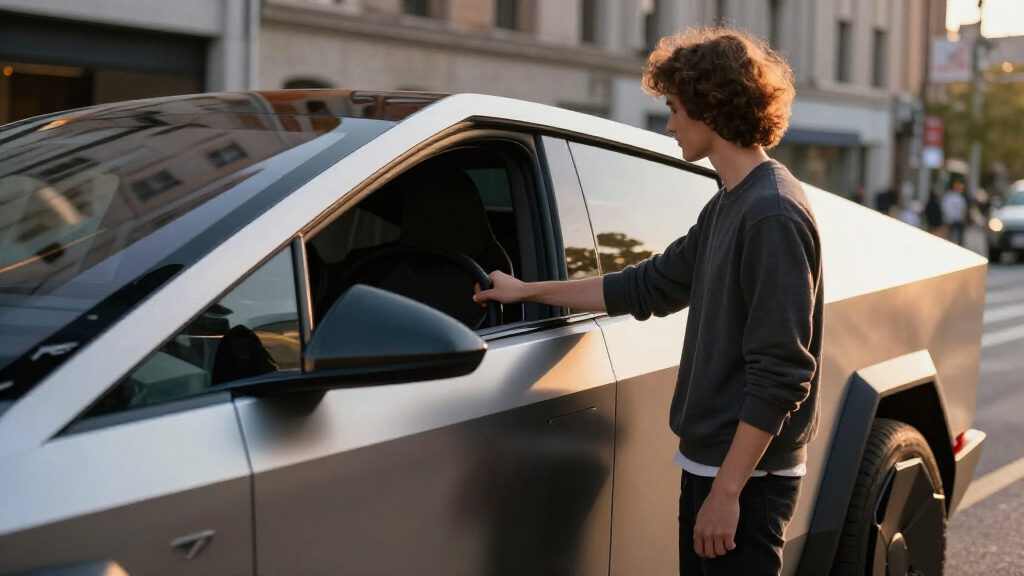
Tesla has been actively developing autonomous vehicle technology, with features like Autopilot and Full Self-Driving (FSD) system. The company envisions a future where vehicles operate without human intervention, exemplified by prototypes like the Cybertruck and the upcoming Cybercab, which is designed as an autonomous taxi without a steering wheel or pedals.
Interest in autonomous vehicles has increased alongside technological progress, but safety concerns and regulatory standards remain significant barriers. Agencies worldwide are working to establish guidelines for driverless vehicles, especially those with unconventional designs. The focus on Tesla’s Cybercab reflects broader regulatory efforts, intensified by its unique design and Tesla’s autonomous ambitions.
Previous investigations into Tesla’s Autopilot system have underscored the importance of safety standards and oversight, informing current scrutiny of the Cybercab’s features and compliance measures.
As an affiliate, we earn on qualifying purchases.
Unanswered Questions About Safety and Regulatory Approval
It remains uncertain whether the absence of a steering wheel will lead to safety violations or regulatory sanctions. Details about the regulator’s specific safety criteria and Tesla’s compliance efforts are not yet available. The potential impact on Tesla’s future vehicle development and regulatory strategy is also unclear.
Further information regarding the vehicle’s testing procedures, safety features, and regulatory standards is still forthcoming, and no official timeline for the investigation’s resolution has been provided.
As an affiliate, we earn on qualifying purchases.
Next Steps in the Regulatory Review Process
The regulatory agency is expected to request additional documentation from Tesla and may conduct on-site inspections of the Cybercab prototype. Tesla might need to modify certain features or provide additional safety data to meet standards, which could delay the vehicle’s deployment. The company is likely to continue engaging with authorities as the review continues.
Observers will monitor for official statements from Tesla and regulators, along with updates on testing and safety assessments. The outcome could influence future regulatory policies for autonomous vehicles without manual controls and shape industry standards.
self-driving car emergency controls
As an affiliate, we earn on qualifying purchases.
As an affiliate, we earn on qualifying purchases.
Key Questions
Why is Tesla’s Cybercab missing a steering wheel?
Tesla designed the Cybercab as a fully autonomous vehicle, eliminating manual controls like a steering wheel to support its autonomous mobility goals.
Experts worry that the lack of manual controls could pose risks in emergencies or system failures, making manual intervention more difficult.
Could this investigation delay Tesla’s plans for autonomous taxis?
Yes, if safety concerns are confirmed, the vehicle’s deployment could be delayed or require design modifications, affecting Tesla’s rollout schedule.
Has Tesla responded publicly to the investigation?
Tesla has not issued a detailed public statement but has reiterated its commitment to safety and cooperation with regulators.
What does this mean for autonomous vehicle regulation?
This case may influence future regulatory approaches for vehicles lacking manual controls, impacting industry standards and approval processes.
Source: rss
Fall Picks
fall essentials
As an affiliate, we earn on qualifying purchases.