
TL;DR
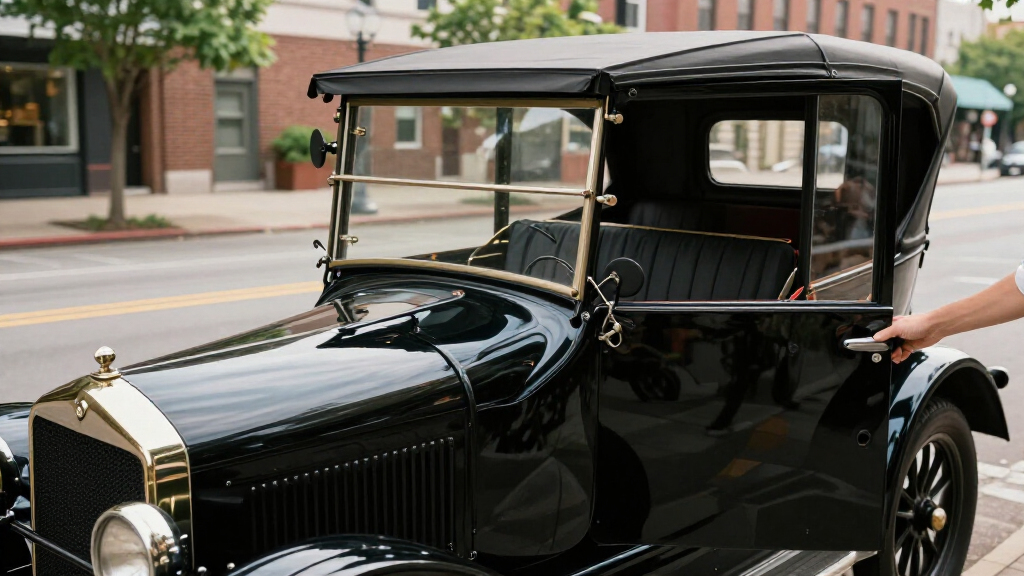
A vintage 1918 Detroit Electric car has been fitted with modern batteries and successfully driven, demonstrating the feasibility of updating historic electric vehicles with current technology. The project highlights potential for preserving and utilizing vintage EVs today.
A 1918 Detroit Electric car has been successfully restored and powered entirely by modern batteries, making it operational for the first time in over a century. This development confirms that vintage electric vehicles can be updated with current technology and still function effectively, offering new possibilities for preservation and historical appreciation.

Get bike and ride gear delivered free with Prime
- Fast, free delivery on millions of items
- Prime Video, Amazon Music and more included
- Member-only deals all year
Potential for Preserving Vintage Electric Vehicles
This successful restoration shows that historic electric cars like the 1918 Detroit Electric can be kept operational with current battery technology. It opens new avenues for collectors, museums, and enthusiasts to preserve EV history while making these vehicles usable again. The project also highlights the broader potential for retrofitting vintage EVs, which could contribute to sustainable transportation and historical education. As electric vehicle technology advances, this approach might become a standard method for conserving early EVs, blending history with modern innovation.Popular right now

Apple AirPods Pro 3 Wireless Earbuds

Breville Barista Pro Espresso Machine with Built-In Grinder, Brushed Stainless Steel

Dyson V9 Motorbar Cordless Vacuum
As an affiliate, we earn on qualifying purchases.
Historical and Technical Background of the Detroit Electric
The Detroit Electric was a prominent electric car manufacturer in the early 20th century, producing vehicles from 1907 to 1939. The 1918 model is among the most iconic, known for its reliability and style. Originally powered by lead-acid batteries, these vehicles became obsolete due to technological limitations and the rise of internal combustion engines. Recent decades have seen renewed interest in vintage EVs, but most remain non-operational due to outdated power sources. The recent project builds on advances in battery technology and vintage vehicle restoration, demonstrating that historical EVs can be updated to current standards.“Restoring this 1918 Detroit Electric with modern batteries proves that vintage electric cars are not just museum pieces—they can still run and serve as a bridge between past and present.”
— John Miller, project lead
Remaining Technical and Practical Challenges
It is not yet clear how long the modern batteries will last under regular use or how scalable this approach is for other vintage EVs. The long-term durability and safety of such retrofitted vehicles need further testing, and the cost of modern batteries remains a consideration for wider adoption.Next Steps for Vintage EV Preservation and Testing
The team plans to conduct extended road testing to assess the vehicle’s durability and performance over time. They also aim to explore retrofitting other vintage electric cars with modern batteries and electronics, potentially establishing best practices for preservation. Further research may focus on optimizing battery placement and integration to maximize safety and reliability in restored historic EVs.Key Questions
Can other vintage electric cars be similarly restored?
Yes, with appropriate modifications and modern batteries, other vintage EVs can potentially be restored and made operational, though each project will depend on the vehicle’s condition and design.
What types of modern batteries were used in the restoration?
The project utilized lithium-ion batteries, which are standard in contemporary electric vehicles for their high energy density and reliability.
How does the restored car perform compared to original specifications?
The restored vehicle performs comparably to expectations for a vintage EV, with sufficient range and power for demonstration purposes, though it may not match modern EVs in performance.
Is this restoration safe for everyday use?
While initial tests are promising, further long-term testing is needed to confirm safety and durability for regular driving. Caution is advised until comprehensive assessments are completed.
Could this approach help in EV preservation efforts?
Yes, retrofitting vintage EVs with modern batteries offers a way to preserve and showcase early electric vehicle history while maintaining functional vehicles for exhibitions or limited use.
Source: rss