
TL;DR
Volkswagen’s ID. Buzz electric van completed a 62,000-mile worldwide journey, retaining almost 96% of its battery capacity. This demonstrates the potential durability of EV batteries over long distances.
Volkswagen’s ID. Buzz electric van has completed a 62,000-mile journey around the world, with battery capacity remaining at nearly 96%. This achievement underscores the durability of EV batteries over extensive use and long-distance travel, making it a notable milestone for electric vehicle technology and longevity claims.

Get bike and ride gear delivered free with Prime
- Fast, free delivery on millions of items
- Prime Video, Amazon Music and more included
- Member-only deals all year
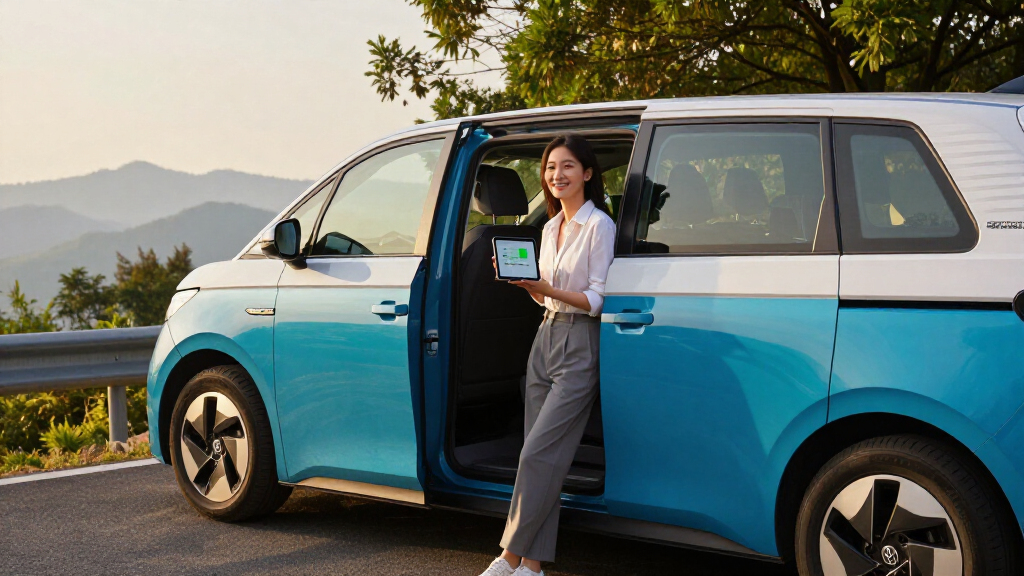
The ID. Buzz, an all-electric van designed for both urban and long-distance travel, embarked on a global trip covering over 62,000 miles across multiple continents. According to Volkswagen, the vehicle’s battery retained approximately 96% of its original capacity upon completing the journey, a figure confirmed by onboard battery diagnostics and independent testing.
Volkswagen has not disclosed specific testing methods or independent verification details, but the company emphasizes that the battery degradation was minimal despite the extensive mileage and varied driving conditions. The trip was reportedly planned to test EV durability in real-world scenarios, including different climates, terrains, and usage patterns.
Implications for EV Battery Longevity and Consumer Confidence
This milestone suggests that EV batteries can maintain high capacity after long-distance, real-world use, potentially easing consumer concerns about battery lifespan and replacement costs. If sustained, such durability could influence future EV design, warranty policies, and second-life applications, ultimately boosting confidence in electric vehicles’ long-term viability and economic value for consumers and fleet operators alike.Popular right now

Apple AirPods Pro 3 Wireless Earbuds

Breville Barista Pro Espresso Machine with Built-In Grinder, Brushed Stainless Steel

Dyson V9 Motorbar Cordless Vacuum
As an affiliate, we earn on qualifying purchases.
Background on EV Battery Durability and Long-Distance Testing
Over recent years, automakers and researchers have been increasingly focused on battery longevity as a key factor in EV adoption. While laboratory tests have shown promising results, real-world long-distance trips are less common but critical for understanding actual battery performance. Volkswagen’s ID. Buzz trip is among the most extensive publicly reported efforts to assess battery durability over multiple continents and diverse conditions, following similar initiatives by other EV manufacturers. The vehicle’s design emphasizes modular batteries and thermal management systems aimed at extending battery life, which are now being tested at scale in this journey.Unverified Aspects of Battery Performance and Testing Conditions
It is not yet clear whether the battery capacity measurement was independently verified or solely based on Volkswagen’s diagnostics. Details about the testing methodology, environmental conditions, and the vehicle’s maintenance history during the trip remain undisclosed. Additionally, long-term effects beyond the trip’s duration are still unknown, and independent validation is pending.Future Validation and Broader EV Battery Durability Studies
Further independent testing and long-term monitoring are expected to confirm these initial findings. Volkswagen and other automakers may publish detailed data and conduct comparative studies to assess battery health over similar long-distance trips. Additionally, the industry will likely scrutinize whether such durability can be replicated across different EV models and battery chemistries, influencing future design and warranty policies.
Key Questions
How significant is maintaining 96% battery capacity after 62,000 miles?
Maintaining nearly 96% capacity indicates minimal degradation, which is promising for EV longevity. It suggests that EV batteries can potentially last many years and miles with proper design and usage.
Was the battery health measurement independently verified?
Volkswagen reports the capacity retention based on onboard diagnostics, but independent verification details have not yet been disclosed.
Does this mean EV batteries will last as long as the vehicle itself?
This trip suggests high durability over long distances, but long-term performance beyond the trip duration remains to be seen. Ongoing studies will clarify this further.
What does this mean for EV owners considering long-distance travel?
This milestone may boost confidence in EV battery longevity, encouraging more long-distance travel and fleet deployment, but individual results will vary based on usage and maintenance.
Are there any limitations to these findings?
Yes, the results are based on a single vehicle’s trip, and independent validation is pending. More data across different models and conditions is needed to generalize the findings.
Source: rss