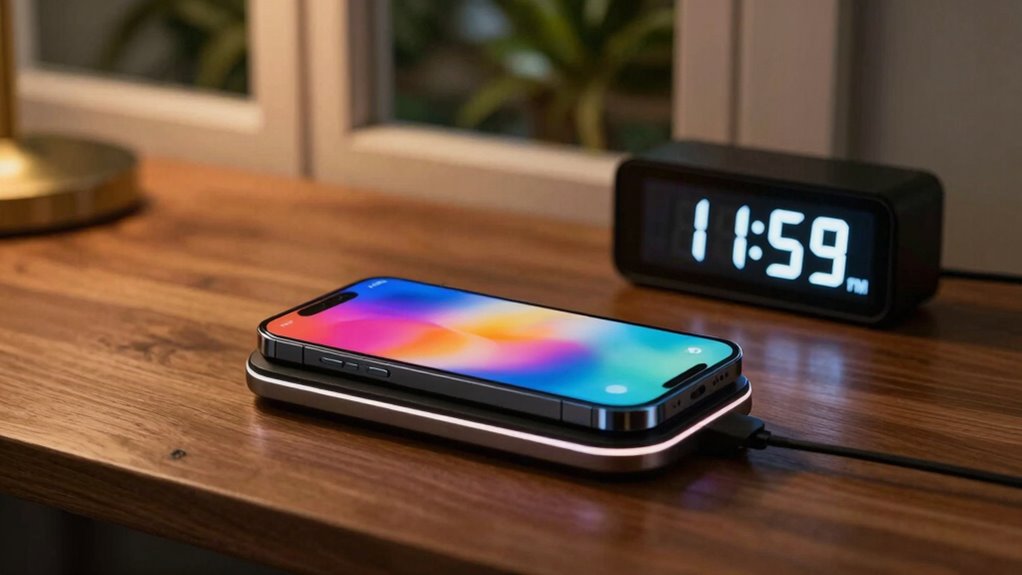

Charging your device to 100% regularly can speed up battery wear and shorten its lifespan, especially if done often. It’s better to keep your battery between 20% and 80%, as full charges add voltage stress and chemical wear. However, occasional full charges aren’t harmful. If you want to learn how your habits impact your battery and ways to extend its life, there’s more to reflect upon below.

Get bike and ride gear delivered free — and shop member deals
- Fast, free delivery on millions of items
- Access to Prime Big Deal Days deals on October 6–7
- Prime Video, Amazon Music and more included
Key Takeaways
- Regularly charging to 100% accelerates battery wear, reducing overall lifespan.
- Occasional full charges are less harmful but should be minimized for optimal battery health.
- Charging to full can generate heat, which speeds up chemical degradation inside the battery.
- Maintaining a charge between 20% and 80% helps preserve battery capacity over time.
- Using device features to limit maximum charge levels can extend battery longevity.
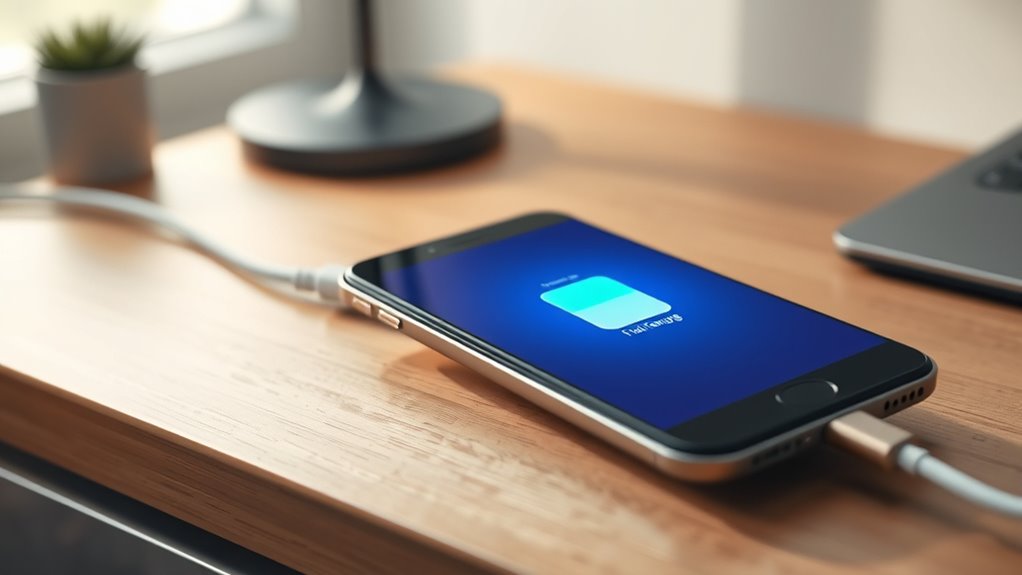
Many people believe that charging your device to 100% every time is the best way to guarantee full battery life, but this habit can actually harm your battery over time. When you consistently charge to full capacity, you put extra stress on your battery’s chemistry, which can accelerate its degradation. Over time, this can lead to reduced battery health, meaning your device won’t hold a charge as long as it used to. Your charging habits directly impact how quickly your battery wears out, so it’s worth understanding when charging to 100% is beneficial and when it’s better to avoid it.
Charging to full capacity occasionally isn’t harmful, especially if you need a quick boost before a long day. However, making it a routine can cause the battery to undergo more cycles of stress, diminishing its overall lifespan. Lithium-ion batteries, common in most smartphones and laptops, prefer partial charges over full ones. Keeping your battery between 20% and 80% can considerably extend its health because it minimizes the voltage stress on the cells. When you habitually top off your battery to 100%, you’re exposing it to higher voltage levels that accelerate chemical wear, reducing the number of charge cycles your device can handle before performance drops.
Occasionally charging to 100% is okay, but regular full charges can harm your battery’s lifespan.
Your charging habits also influence heat generation, another factor that damages battery health. Charging to full often involves longer charging times, which can generate heat and cause thermal stress. Excess heat speeds up chemical breakdown inside the battery, further shortening its lifespan. So, if you tend to leave your device plugged in for hours after reaching 100%, you might inadvertently be doing more harm than good. Instead, aim to unplug once it hits about 80%, and recharge when it drops to around 20%. This approach helps maintain ideal battery health and prolongs its effective lifespan.
Some newer devices have built-in features designed to preserve battery health by limiting maximum charge levels or delaying full charges until needed. Using these features can help you develop better charging habits without sacrificing convenience. Additionally, understanding your device’s charge cycles can help you plan optimal charging routines that maximize longevity. Ultimately, understanding when to charge fully and when to stop short is key to maintaining your device’s battery health over time. By avoiding the habit of always charging to 100%, you can extend the longevity of your battery and ensure your device continues to perform well for years to come. Remember, small adjustments in your charging routine can make a big difference in preserving your battery’s capacity and overall health.
Frequently Asked Questions
Does Charging to 100% Affect Battery Lifespan Differently Across Devices?
Charging to 100% can affect your device’s battery lifespan differently depending on its battery chemistry and how often you go through charging cycles. Some batteries, like lithium-ion, experience more wear if you regularly charge to full capacity, especially if you keep it at 100% for long periods. To extend lifespan, try avoiding full charges frequently and keep the battery between 20-80%, considering your device’s specific chemistry.
How Does Ambient Temperature Influence the Impact of Full Charges?
Think of ambient temperature as the weather for your battery—it can make or break its health. High temperatures accelerate battery aging, especially when charging to 100%, while cold temperatures can slow down chemical reactions, reducing efficiency. Temperature effects are vital; in hot environments, full charges can cause more harm, while in cooler settings, your device might handle it better. Keep an eye on ambient influence to extend your battery’s lifespan.
Are There Specific Battery Types That Tolerate Full Charges Better?
Some battery chemistries, like lithium iron phosphate (LiFePO4), tolerate full charges better than others, such as lithium cobalt oxide (LCO). You’ll find these batteries handle charging cycles more efficiently and are less prone to capacity loss over time. If you regularly charge to 100%, choosing a battery with a chemistry designed for full charge tolerance can extend its lifespan and maintain peak performance longer.
What Are the Signs Indicating a Battery Should Not Be Fully Charged?
If you notice battery swelling or it discharges rapidly, you should avoid fully charging it. Swelling indicates internal damage, while rapid discharging suggests the battery’s capacity is compromised. These signs mean the battery isn’t safe to charge to 100%, as doing so could worsen damage or cause safety hazards. Always replace a swollen or rapidly discharging battery and avoid full charges until you get a new one.
Can Charging Habits Influence Battery Performance Over Time?
Your charging habits directly affect your battery’s performance over time. Frequent full charges can increase charging cycles, causing faster wear. To extend battery life, you should regularly calibrate it, which involves partial charges and discharges to maintain accuracy. By avoiding constant full charges and balancing charging cycles, you help preserve battery health, ensuring it performs well longer and reduces the need for early replacements.
Conclusion
So, next time you plug in your phone, picture it as a garden waiting to bloom. Charging to 100% can give you a full, vibrant burst of energy, like sunlight on a clear day. But if you do it too often, your battery might start to fade, like a flower wilting in the heat. Remember, a little patience and mindful charging can keep your device blooming beautifully for longer.
Fall Picks
fall essentials
As an affiliate, we earn on qualifying purchases.