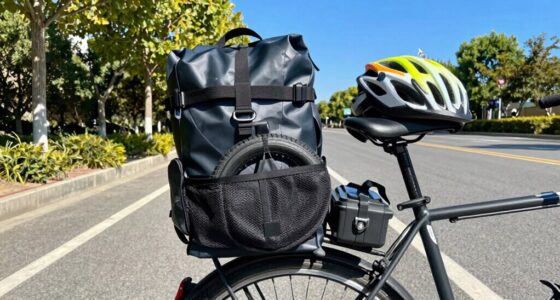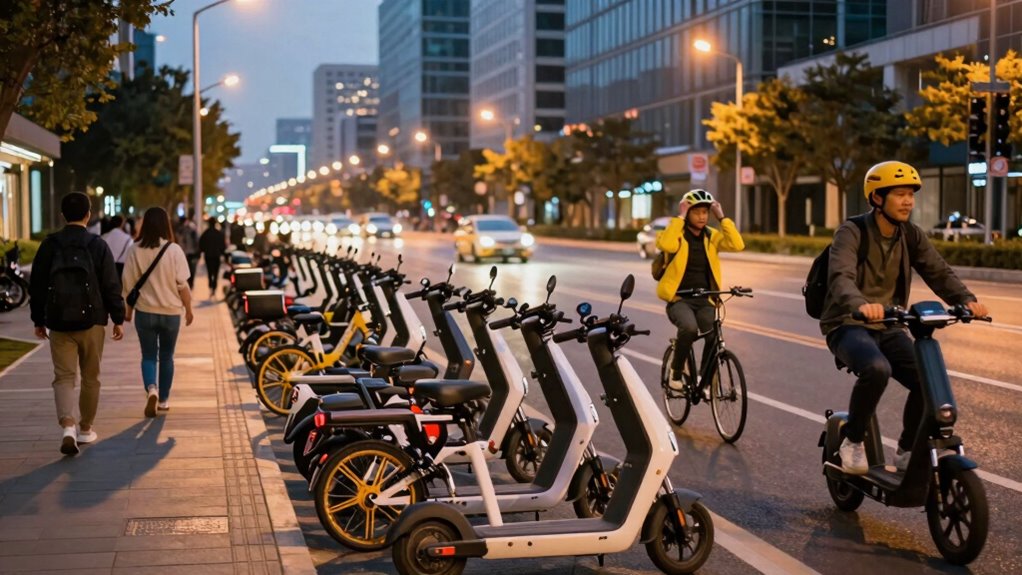

During tough weeks, keep your micromobility commute practical by maintaining your scooter regularly, especially the battery and tires. Charge fully each night and monitor indicators to avoid problems. Plan routes with navigation apps to avoid traffic and hazards, and choose the quickest, safest paths. Establish routine checks to prevent breakdowns and keep your vehicle in top shape. Staying proactive with maintenance and planning makes your commute smoother and more reliable, so keep going to discover more tips to stay on track.

Get bike and ride gear delivered free with Prime
- Fast, free delivery on millions of items
- Prime Video, Amazon Music and more included
- Member-only deals all year
Key Takeaways
- Prioritize thorough route planning to avoid delays and congested areas during busy periods.
- Maintain the vehicle regularly, including battery and tire checks, to prevent breakdowns.
- Charge batteries fully each night and carry a portable charger or spare battery if possible.
- Schedule trips during off-peak hours to reduce travel time and avoid heavy traffic.
- Keep safety and efficiency in mind by staying on bike-friendly routes and monitoring vehicle condition regularly.
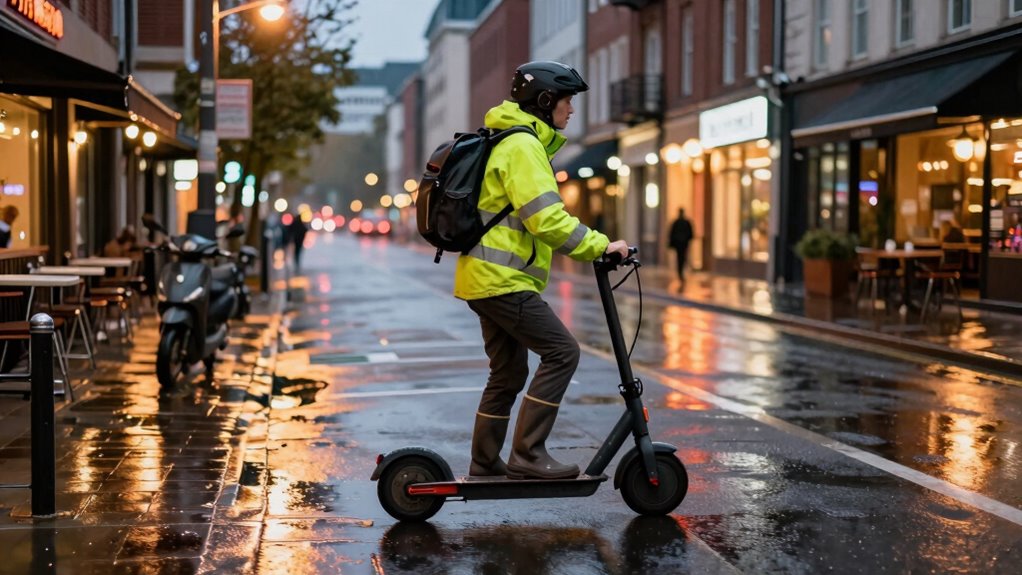
When life gets hectic and your schedule feels overwhelming, maintaining an efficient micromobility routine can seem challenging. During tough weeks, it’s easy for your e-scooter or bike to fall into disrepair or for your commute to become stressful and inefficient. But with some simple adjustments, you can keep your micromobility options practical and reliable, even amid chaos. The first step is to focus on battery maintenance. If you neglect your vehicle’s battery, it’s likely to die unexpectedly, forcing you to scramble for alternative transportation. To prevent this, make a habit of charging your e-scooter fully every night, especially during busy weeks. Keep an eye on battery indicators and avoid letting the charge drop too low; it’s best to recharge before it hits critical levels. If your commute involves longer distances, consider carrying a portable charger or spare battery if your device supports it. This way, even if your main battery runs out mid-journey, you can top it up and continue without delays. Proper battery upkeep ensures your vehicle remains dependable, saving you time and frustration. Regularly inspecting your vehicle for wear and tear is also essential to maintain safety and efficiency, especially during demanding weeks when you rely on it most. Additionally, keeping your tires properly inflated can improve efficiency and extend your vehicle’s lifespan, making your rides smoother and more reliable.
Route planning is another crucial element to keep your micromobility routine practical. When your schedule is packed, wasting time on inefficient routes can make your commute longer and more stressful. Before heading out, take a few minutes to plan the quickest and safest route. Use navigation apps that cater specifically to micromobility, which can highlight bike lanes, bike-friendly streets, or less congested paths. Avoid areas with heavy traffic or construction that could slow you down or pose safety risks. Planning your route in advance also helps you avoid surprises, like dead ends or unexpected detours, allowing you to stay on schedule. Additionally, consider timing your trips during off-peak hours when traffic and crowds are lighter, making your ride smoother and faster. During demanding weeks, every minute counts, and a well-thought-out route can make your commute more predictable and less stressful. Being aware of your battery capacity and how it impacts your range can help you better prepare for longer trips and avoid unexpected disruptions. In times of increased stress, having a reliable maintenance routine can also give you peace of mind and help prevent breakdowns.
Combining good battery maintenance with strategic route planning can dramatically improve your micromobility experience during difficult weeks. These small but consistent habits help keep your vehicle reliable and your journeys efficient. When you’re busy or overwhelmed, these adjustments can mean the difference between a stressful, time-consuming commute and a quick, manageable trip. Remember, maintaining your micromobility equipment and planning your routes thoughtfully takes minimal effort but offers maximum convenience. Stick to these practices, and you’ll find that even the busiest weeks won’t derail your ability to get where you need to go efficiently and safely.
Popular right now

Dyson Ball Animal 3 Upright Vacuum

KitchenAid Artisan 5-Quart Tilt-Head Stand Mixer, Blue Velvet

Ninja CREAMi Scoop & Swirl 13-in-1 Ice Cream and Soft Serve Maker, NC701
As an affiliate, we earn on qualifying purchases.
Frequently Asked Questions
What Are the Best Storage Solutions for Micromobility Devices During Tough Weeks?
During tough weeks, you should invest in secure locks to safeguard your micromobility device when not in use. Pair these with portable covers to protect your scooter or bike from weather and dirt, making storage easier and more practical. These solutions guarantee your device stays safe and clean, even during busy or challenging times, so you’re ready to ride whenever you need without hassle or worry.
How Can I Ensure My Battery Lasts Through Unpredictable Weather Conditions?
To guarantee your battery lasts through unpredictable weather, focus on battery preservation by avoiding full discharges and charging regularly. Use weatherproof accessories like covers and sealed storage to protect your device from rain and moisture. Keep your battery in a cool, dry place when not in use, and consider installing a weather-resistant casing. These steps help maintain your battery’s health and keep your micromobility device reliable, no matter the weather.
Are There Quick Repair Tips for Common Micromobility Issues?
Did you know that over 60% of micromobility issues are fixable with simple quick fixes? When problems arise, try basic maintenance tips like tightening loose bolts, cleaning connections, or adjusting brakes. For flat tires, carry a small pump or patch kit. Regularly check your battery connections and make sure the wheels spin freely. These quick fixes can save you time and keep your ride smooth during busy weeks.
How Do I Stay Motivated to Use Micromobility During Stressful Periods?
To stay motivated during stressful times, tap into incentive programs offered by your city or employer to make micromobility more rewarding. Connect with your community; sharing rides or tips can boost your enthusiasm and accountability. Remember, every ride reduces stress, saves money, and benefits the environment. Focus on these positive aspects, and let community support and incentives remind you of the benefits, making it easier to keep biking or scooting even in tough weeks.
What Safety Precautions Should I Prioritize When Riding in Adverse Conditions?
Imagine you’re a brave sailor steering stormy seas—your safety depends on your preparedness. Prioritize wearing protective gear like helmets and pads, acting as your sturdy ship’s armor. Use visibility tips such as bright lights and reflective clothing to stand out amid the fog. Stay alert, reduce speed, and anticipate hazards, ensuring you’re well-equipped to face adverse conditions confidently, turning rough waters into manageable journeys.
Conclusion
So, next time your week feels like a rollercoaster, remember that your trusty micromobility ride is practically magic—if by magic, you mean dodging traffic and existential dread alike. Just keep charging that scooter, ignore the weather’s mood swings, and pretend that sweaty, hurried mornings are part of the charm. After all, if you survive rush hour on two wheels, you’re basically a hero—who needs a cape when you’ve got a helmet?