
An IP rating shows how well your device resists dust and water, helping you decide if it’s suitable for your daily commute. The first number tells you how protected it is from dust, while the second indicates how well it handles water, like rain or splashes. Devices with higher ratings, like IP67 or IP68, are more durable and safer for everyday use. Want to know what each rating means and how it applies to your routine? Keep exploring.

Get bike and ride gear delivered free — and shop member deals
- Fast, free delivery on millions of items
- Access to Prime Big Deal Days deals on October 6–7
- Prime Video, Amazon Music and more included
Key Takeaways
- The IP rating shows how well a device resists dust and water, helping you choose durable gear.
- Higher first digit means better dust protection; for commuters, at least level 4 is recommended.
- The second digit indicates water resistance; 5 or above handles splashes and rain well.
- IP67/IP68 devices can survive immersion in water for a short time, great for unexpected splashes.
- Ratings guide you to pick devices that stay reliable in daily dusty and wet commuting conditions.
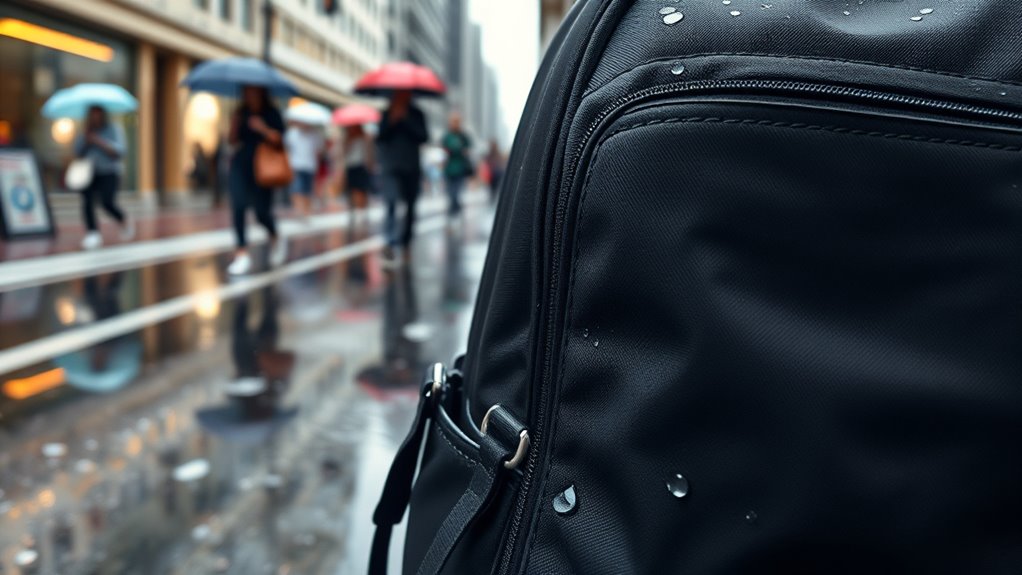
If you commute regularly, understanding the IP rating of your electronic devices can make a big difference in how well they stand up to daily exposure to dust and water. The IP, or Ingress Protection, rating is a standard that tells you how resistant a device is to dust and water intrusion. It’s a simple way to determine whether your phone, smartwatch, or other gadget can survive the rough conditions of your daily travels. Knowing what the numbers mean helps you pick devices that match your lifestyle and avoid damage caused by unexpected splashes or dust storms.
Understanding IP ratings helps you choose devices that withstand dust and water during daily commutes.
The first digit of the IP rating indicates the level of dust protection. It ranges from 0, meaning no protection, to 6, which offers complete dust tightness. For commuters, a higher dust protection level is vital, especially if you’re often outdoors or in environments filled with dirt, sand, or other particles. Dust can settle into your device’s ports and openings, gradually impairing functionality or causing overheating. So, choosing devices with a dust protection rating of at least 4 or above is a smart move. This guarantees dust won’t easily get inside, keeping your device cleaner and working smoothly longer.
The second digit in the IP rating relates to water resistance. It ranges from 0 to 9K, with higher numbers offering greater water resistance. For everyday commuting, a device with a water resistance rating of 5 or higher is usually enough. This means your device can handle splashes, rain, or even accidental drops into shallow water without immediate damage. Devices rated IP67 or IP68 are particularly popular among commuters because they can withstand immersion in water for certain periods—up to 30 minutes at a depth of 1 meter or more. This can be a lifesaver during unexpected rainstorms or if you drop your phone in a puddle. Additionally, understanding device durability can help you select products better suited to your daily environment.
Keep in mind that water resistance isn’t the same as waterproofing. While a device might be rated IP68, it doesn’t mean you should intentionally submerge it repeatedly. The ratings provide a good guideline, but wear and tear over time can reduce effectiveness. Regularly check your device’s IP rating and avoid exposing it to conditions beyond what it’s rated for.
Frequently Asked Questions
How Do I Interpret IP Ratings for Everyday Use?
You interpret IP ratings for everyday use by focusing on water resistance and dust protection. A higher number after “IP” means better protection; for example, IP68 offers excellent water resistance and dustproof qualities, suitable for heavy rain or dust. Check the first digit for dust resistance and the second for water resistance. This helps you choose gadgets that withstand your daily activities, keeping them safe from water and dust.
Can IP Ratings Help in Extreme Weather Conditions?
Think of IP ratings as your device’s shield against nature’s fury. They help you gauge water resistance and dust protection, vital in extreme weather. With a high IP rating, your device can brave heavy rain or snow, shrug off dust storms, and keep working smoothly. So yes, IP ratings are your trusty armor, ensuring your device endures the harshest conditions, much like a resilient traveler braving the storm.
Do Higher IP Ratings Mean Better Durability?
Yes, higher IP ratings generally mean better durability. They indicate improved water resistance and dust protection, so your device can withstand harsher conditions. For example, an IP68 rating offers strong water resistance and dust protection, making it more durable for daily commutes. With a higher IP rating, you can be confident your device will endure rain, dust, and tough environments, keeping it protected longer.
Are IP Ratings Standardized Worldwide?
You might think IP ratings are like a universal language, but they aren’t completely standardized worldwide. Different countries may have slight variations, so it’s essential to check what each rating means for water resistance and dust protection. While the ratings follow a general framework, the specifics can vary, meaning your device’s durability might differ depending on where you are. Always review the exact IP rating details to stay protected.
How Often Should I Check My Device’s IP Rating?
You should verify your device’s IP rating whenever you notice damage, exposure to water, or dust, especially after accidents or extreme conditions. Regularly inspecting its water resistance and dust protection ensures it still meets your needs. Also, review the manufacturer’s guidelines after water exposure or if your device shows signs of wear, so you stay aware of its protection level and prevent potential damage.
Conclusion
Understanding your device’s IP rating isn’t just about specs; it’s about safeguarding your daily commute. By knowing what’s protected and what’s not, you can confidently conquer rain, splashes, or dust. Don’t dismiss the details—delve into durability, and discover your device’s true potential. Remember, being prepared prevents problems, and proper protection promotes peace of mind. So, stay savvy, stay shielded, and enjoy every journey without worry, because smart choices make smooth commuting.
Fall Picks
fall essentials
As an affiliate, we earn on qualifying purchases.