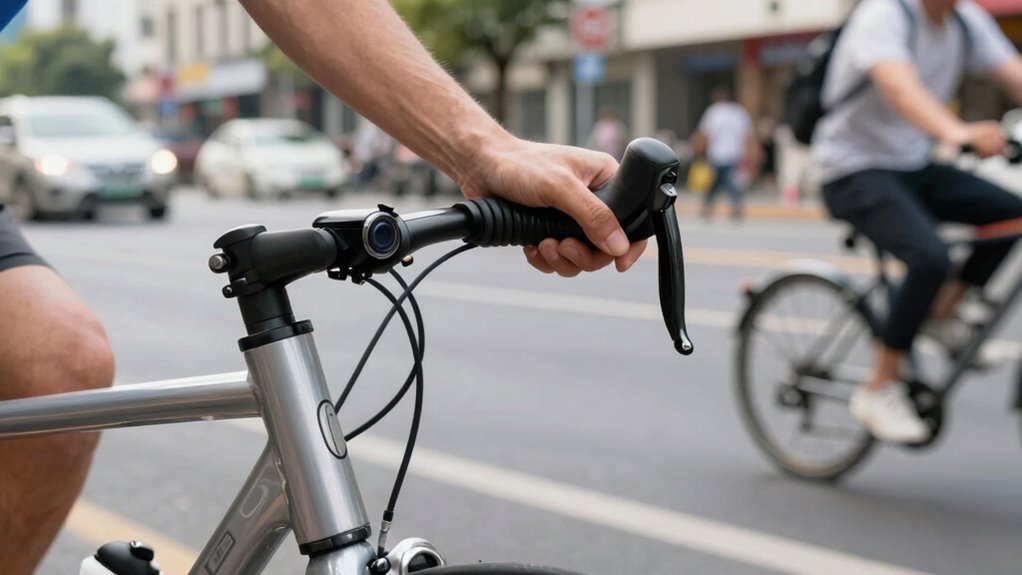
If you’re a daily U.S. commuter, cadence sensors are best if you want low-maintenance, weather-resistant performance that works well in rain, snow, or mud. They offer steady, predictable assistance without needing much upkeep. Torque sensors provide a more natural ride by adjusting power in response to your effort but may require regular cleaning and calibration, especially in challenging conditions. To discover which option suits your climate and riding style best, keep exploring the details ahead.
Key Takeaways
- Cadence sensors are more durable and require less maintenance, making them ideal for daily commuters in varied weather.
- Torque sensors provide a natural, responsive ride but need regular cleaning and calibration, suitable for riders prioritizing ride feel.
- Environmental conditions like rain and mud can impair torque sensor accuracy, whereas cadence sensors perform reliably in all weather.
- Torque sensors may cause jerky responses in wet or rough conditions, while cadence sensors offer consistent, predictable assistance.
- For low-maintenance, weather-resistant commuting, cadence sensors are generally more practical; torque sensors suit riders seeking organic feel.
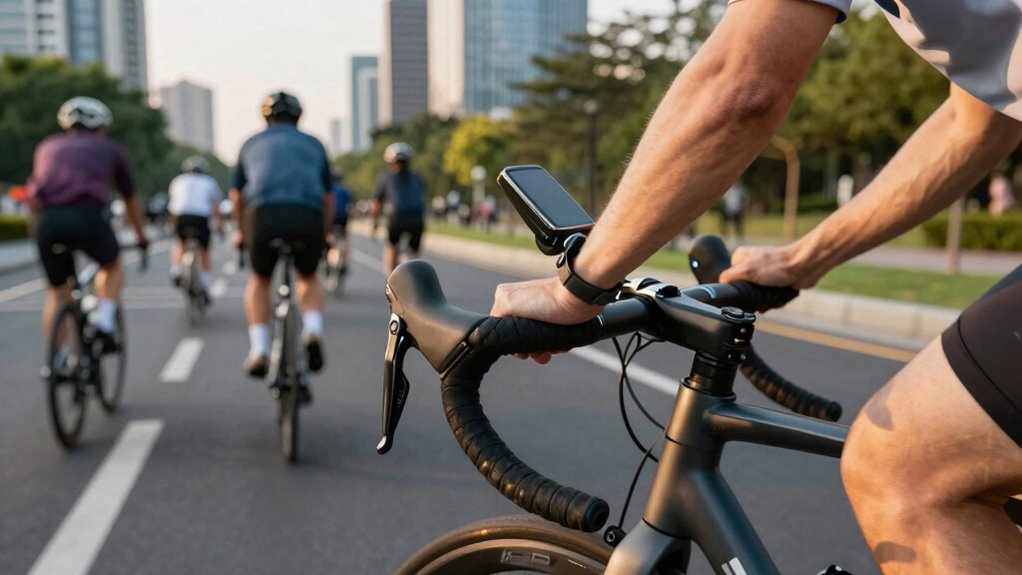
For daily U.S. commuters choosing between torque sensors and cadence sensors, understanding their differences can considerably impact your riding experience. These sensors are integral to modern e-bikes, influencing how smoothly and efficiently your bike responds during your commute. Torque sensors measure how much force you’re applying to the pedals, providing a natural, intuitive feel because the motor adjusts based on your effort. Cadence sensors, on the other hand, detect if you’re pedaling at a certain speed or cadence, then activate the motor accordingly. Deciding between them depends on your riding style, maintenance preferences, and how weather affects your daily rides.
Choosing between torque and cadence sensors impacts your ride’s responsiveness, maintenance needs, and weather reliability.
If you prioritize bike maintenance, torque sensors often require more attention. Since they are more sensitive to the force you apply, dirt, grime, and moisture can interfere with their accuracy. Regular cleaning and occasional calibration help keep them functioning properly. Cadence sensors are generally simpler and more durable, making them easier to maintain. They tend to be less susceptible to weather impact because they detect pedal movement rather than force, which means they can keep working reliably in rain or cold conditions without much fuss. Additionally, the internal components of torque sensors can be more vulnerable to environmental factors, requiring extra care in harsh conditions. Environmental durability plays a crucial role when choosing a sensor type for daily commuting.
Weather impact is a key factor for commuters who face different climate conditions each day. If you commute in an area prone to rain or snow, a cadence sensor might be more dependable because it’s less affected by moisture and temperature fluctuations. Torque sensors, while providing a more natural riding experience, can sometimes struggle in wet conditions, as water and mud can disrupt their delicate internal components. This means you might need to spend extra time on bike maintenance, cleaning sensors regularly to prevent corrosion or malfunction.
Your choice also influences how your bike responds during your ride. Torque sensors deliver power proportional to how hard you pedal, which feels more organic, but they can sometimes be overly sensitive in rough weather, making your ride jerky if dirt or moisture interfere. On the flip side, cadence sensors give a consistent motor response based on pedaling speed, offering a more predictable ride regardless of weather. This predictability can be a relief during daily commutes, especially if you’re pressed for time and don’t want to worry about sensor calibration after bad weather.
Ultimately, if you want a natural, responsive feel and are willing to invest in regular bike maintenance, torque sensors may suit you best. But if you prefer a low-maintenance, weather-resistant option that works reliably in all conditions, cadence sensors could be the smarter choice for your daily U.S. commute. Knowing how sensor types perform in different environments can help you make an informed decision tailored to your routine.
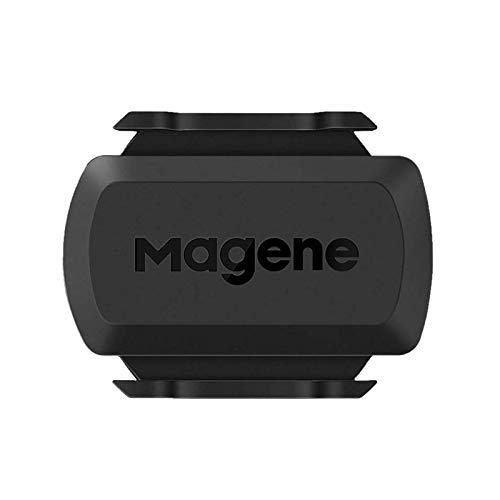
Magene Outdoor/Indoor Speed/Cadence Sensor for Cycling, Wireless Bluetooth/Ant+ Bike Computer RPM Sensor for Road Bike or Spinning Bike and Trainers Compatible with Onelap, Wahoo Fitness, Zwift
[Battery] Remove the insulating sheet of the pre-installed battery before usage; re-install the battery to switch between the…
As an affiliate, we earn on qualifying purchases.
As an affiliate, we earn on qualifying purchases.
Frequently Asked Questions
How Do Torque Sensors Affect Bike Battery Life?
Torque sensors can slightly increase battery drain because they constantly measure your pedaling effort, but they also boost power efficiency by providing real-time input. This means your e-bike uses energy more effectively, conserving battery life over time. While they may consume a bit more power initially, the improved efficiency often balances it out, helping you get longer rides before needing a recharge.
Are Cadence Sensors Compatible With All Bike Types?
Imagine a sleek road bike and a sturdy mountain bike; both can host cadence sensors, but compatibility isn’t universal. You’ll want to check your bike frame’s design and guarantee proper sensor calibration. While many models adapt easily, some bikes with unique or non-standard frames may require special mounts or adapters. Always verify sensor compatibility with your bike’s type to guarantee seamless integration and accurate data collection.
What Maintenance Do Torque Sensors Require?
You’ll need to regularly calibrate your torque sensor, typically every few months, to guarantee accurate readings. Keep an eye on sensor durability, especially if you ride in harsh weather or rough terrain, as it can affect performance over time. Cleaning the sensor with a soft cloth and avoiding excessive moisture helps extend its lifespan. Proper maintenance keeps your torque sensor reliable and ensures smooth, consistent performance on your daily commute.
Do Sensors Work Well in All Weather Conditions?
Sensors work surprisingly well in all weather conditions, thanks to their weather resistance and sensor durability. Rain, snow, or scorching sun won’t make them falter or fail; they’re built tough enough to handle anything. You’ll find these sensors perform reliably, whether you’re commuting through a downpour or riding on a blistering hot day. Their resilience guarantees consistent data, making your daily rides smooth and worry-free, no matter the weather.
Can Sensors Be Easily Transferred Between Bikes?
Sensor transferability depends on compatibility and design. If your sensors are compatible with different bikes and use universal mounting systems, you can transfer them easily. However, transferability challenges may arise if sensors are custom-fitted or rely on specific mounts. Always check sensor compatibility before transferring, and consider whether your sensors are designed for quick removal and installation, making your daily commutes more flexible without hassle.
Magene Outdoor/Indoor Speed/Cadence Sensor for Cycling, Wireless Bluetooth/Ant+ Bike Computer RPM Sensor for Road Bike or Spinning Bike and Trainers Compatible with Onelap, Wahoo Fitness, Zwift
[Battery] Remove the insulating sheet of the pre-installed battery before usage; re-install the battery to switch between the…
As an affiliate, we earn on qualifying purchases.
As an affiliate, we earn on qualifying purchases.
Conclusion
Choosing between torque sensors and cadence sensors can feel like deciding whether to ride a rocket or a bicycle—both will get you there, but one makes every pedal stroke feel like you’re powering a spaceship! If you crave precision and a smoother ride, torque sensors are the superpower you need. Don’t settle for just any sensor—gear up with the one that transforms your daily commute into an epic adventure, faster and more effortless than you ever imagined!

Garmin Bike Speed 2 and Cadence 2 Sensor Black, One Size
The speed sensor 2 attaches to the hub of either wheel and self-calibrates with your Edge cycling computer…
As an affiliate, we earn on qualifying purchases.
As an affiliate, we earn on qualifying purchases.
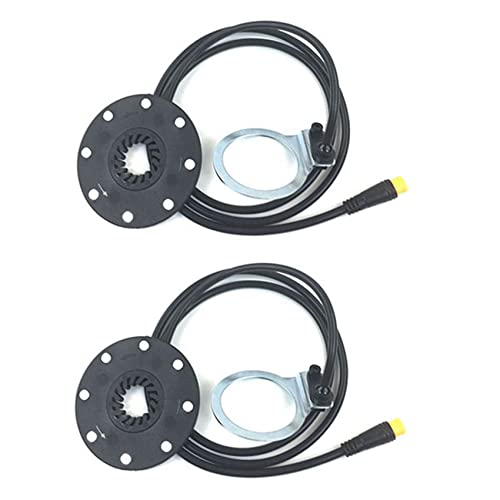
Cwmiibili 2X E-Bike BZ-4 (8) PAS KT 8 Magnets Pedal Torque Sensor Ebike Parts Waterproof Connector for Electric Bicycle
Cable Length: 800mm
As an affiliate, we earn on qualifying purchases.
As an affiliate, we earn on qualifying purchases.