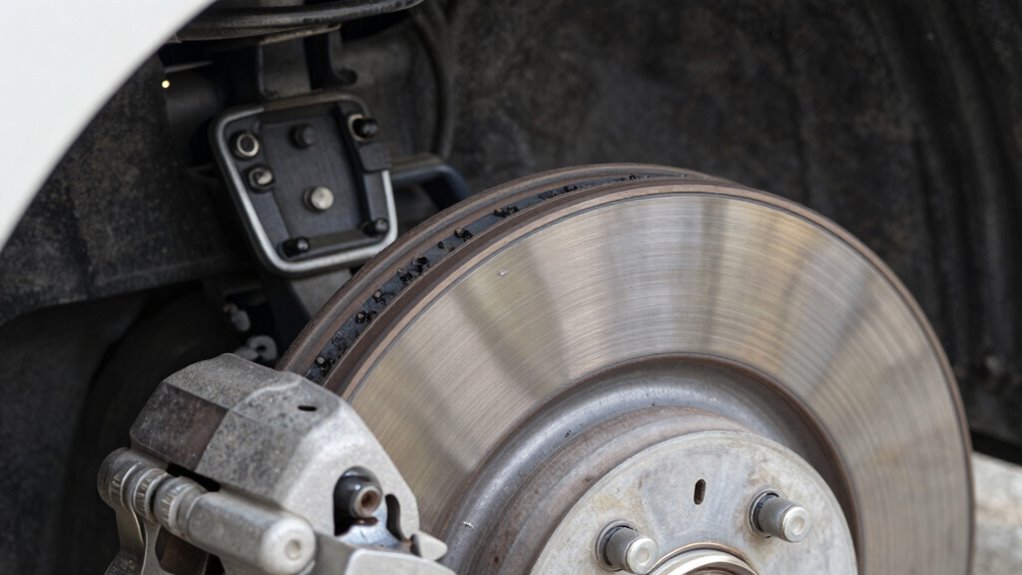

If your brake pedal feels spongy or sinks too low, or if you notice squealing or grinding sounds, these are signs of potential issues, but they might still be manageable. A sudden increase in stopping distance or a persistent warning light could point to more serious problems that threaten safety. If you notice warped rotors or unpredictable braking, it’s likely ride-ending. Keep an eye on these signs to better understand your brake health, and you’ll find tips to help you decide what to do next.

Get bike and ride gear delivered free with Prime
- Fast, free delivery on millions of items
- Prime Video, Amazon Music and more included
- Member-only deals all year
Key Takeaways
- Minor issues often cause slight changes in pedal feel or responsiveness, while ride-ending problems typically produce significant braking failure.
- Noises like squealing or grinding generally indicate worn pads, but persistent noises might lead to more serious rotor damage if ignored.
- Increased stopping distances or unresponsive brakes signal a potentially serious issue needing immediate professional attention.
- Brake warning lights or dashboard indicators suggest urgent inspection, especially if accompanied by fluid leaks or strange noises.
- Regular professional inspections can identify hidden issues early, preventing small problems from escalating into safety hazards.
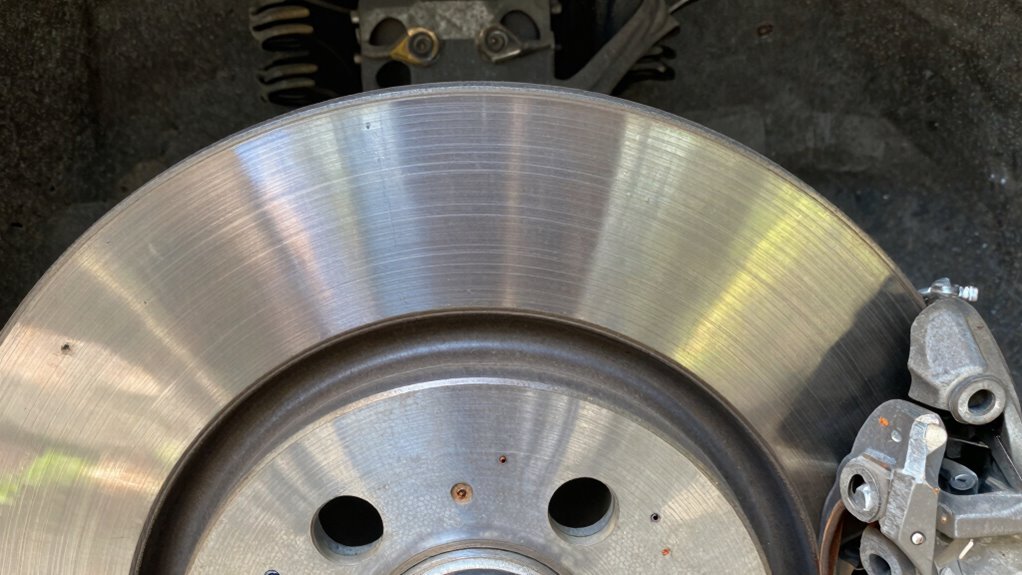
Knowing whether a brake problem is minor or serious can save you time, money, and potential safety risks. When you notice issues with your brakes, the first step is to pay attention to the signs your vehicle is giving you. One of the most common indicators of brake trouble is a change in how your brake pedal feels. If it becomes spongy or sinks closer to the floor, it might signal low brake fluid or air in the brake lines, both of which require prompt attention. Brake fluid is essential because it transmits force from your foot to the brake components. If the fluid level drops due to leaks or old, degraded fluid, your braking power diminishes, and you risk a serious failure. Regularly checking the brake fluid reservoir can help you catch these issues early before they become dangerous.
A spongy brake pedal signals low fluid or air in lines—address promptly to ensure safety and proper function.
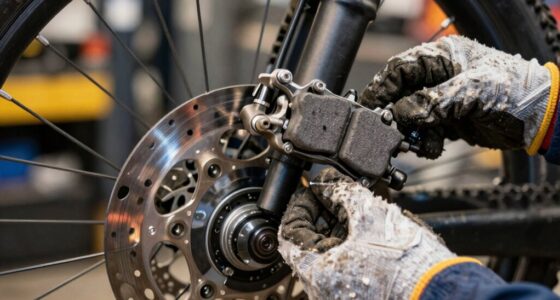
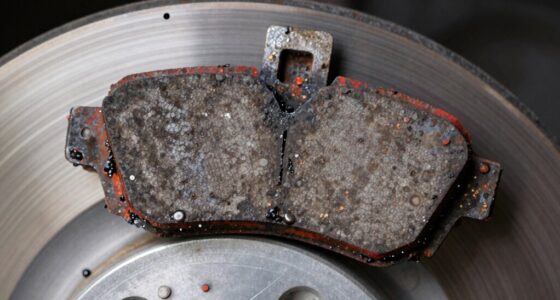
Another key sign is the noise when you apply the brakes. Squealing, squeaking, or grinding sounds often point to pad wear. Brake pads are designed to wear down over time, but if they become too thin, they lose effectiveness and can damage the rotors. You might also notice a pulsing sensation in the brake pedal if the rotors are warped. These symptoms suggest you need to replace your pads soon to avoid more costly repairs or brake failure. Visual inspection of the pads can reveal the amount of pad wear—if the pad material is less than a quarter-inch thick, it’s time for replacement. Ignoring worn pads can lead to metal-on-metal contact, which not only damages the rotors but also compromises your safety.
You should also be alert to changes in braking distance. If your vehicle takes longer to stop or if the brakes feel less responsive, it indicates an underlying problem. This might be caused by contaminated brake fluid, worn pads, or a problem with the brake calipers. Sudden or unpredictable braking behavior is a clear sign you shouldn’t delay getting your brakes checked. Additionally, if you notice a warning light on your dashboard, like the brake warning light, it’s a direct signal to have your brake system inspected immediately. Understanding the role of brake fluid and how it affects braking performance can help prevent unexpected issues. Regular maintenance, including checking brake fluid, is crucial because it helps ensure the entire system functions properly. Being aware of signs of brake failure can further help you identify problems early before they become dangerous.
A comprehensive inspection by a professional can identify issues that may not be immediately visible but could significantly impact your safety. It’s also important to recognize that wear and tear on brake components can vary based on driving habits and conditions. In essence, staying attentive to how your brakes feel, sound, and respond can help you distinguish between minor issues and serious problems. Regular maintenance, including checking brake fluid levels and inspecting pad wear, is the best way to keep your braking system reliable and safe. When in doubt, consult a professional mechanic promptly; addressing brake issues early can save you from more extensive repairs and, most importantly, keep you safe on the road.
As an affiliate, we earn on qualifying purchases.
Frequently Asked Questions
Can Brake Issues Be Dangerous Even if They Seem Minor?
Yes, brake issues can be dangerous even if they seem minor. If you notice brake noise or pedal vibration, these signs could indicate underlying problems like worn brake pads or rotor issues. Ignoring these symptoms can lead to reduced braking performance or failure, putting you at risk. Always take brake noise and pedal vibration seriously, and get your brakes inspected promptly to guarantee your safety on the road.
How Often Should I Have My Brakes Inspected Professionally?
You should have your brakes inspected professionally at least once a year or every 12,000 miles, whichever comes first. Regular inspections ensure your brake pad and rotor are in good shape, preventing costly repairs like rotor replacement. If you notice squealing, vibrations, or reduced stopping power, get an immediate check. Routine inspections help catch issues early, keeping you safe and prolonging the lifespan of your braking system.
Are There Temporary Fixes for Brake Problems Before Visiting a Mechanic?
Think of your brakes like a first aid kit—some temporary fixes can help you get to safety. If you’re facing a squeal or soft pedal, check brake fluid levels or gently pump the brakes. But remember, these are just stopgap measures. For brake safety, avoid long drives until a mechanic inspects your system thoroughly. Temporary fixes might buy you time, but they aren’t a substitute for professional repair.
What Costs Are Typically Involved in Brake Repairs?
When you get brake repairs, costs vary based on what’s needed. Replacing brake pads might cost between $150 and $300 per axle, while rotor replacement can range from $300 to $700. If both are done together, it could save you some money. Always ask your mechanic for a detailed estimate upfront, so you’re clear on costs involving brake pad replacement or rotor repairs, and avoid surprises.
How Can I Tell if My Brake Fluid Is Low or Contaminated?
You can tell if your brake fluid is low or contaminated by checking its color and smell. Fresh brake fluid is usually clear or light amber, but if it’s dark or cloudy, it’s likely contaminated. Also, if it has a burnt smell, it indicates overheating or contamination. Regularly inspecting the brake fluid’s color and smell helps guarantee your braking system is in good condition and prevents potential issues.
As an affiliate, we earn on qualifying purchases.
Conclusion
So, if your brakes start acting up, don’t ignore it—think of it as your bike’s way of screaming for help! A tiny squeak could be a whisper, or it might be a warning of impending doom. When in doubt, get it checked out before your next ride turns into a rollercoaster ride you didn’t sign up for. Remember, a small brake issue today can save you from a bike-breaking catastrophe tomorrow!
As an affiliate, we earn on qualifying purchases.
As an affiliate, we earn on qualifying purchases.
Halloween Picks
halloween
As an affiliate, we earn on qualifying purchases.