As a daily rider, you should check your tire pressure weekly and inflate them to the recommended PSI to prevent flats and improve efficiency. Regularly inspect and adjust your brakes for responsiveness, and look out for signs of wear. Lubricate the chain and examine gears to keep everything running smoothly. Consistency is key—staying on top of these small tasks will keep your bike safe and reliable. Keep going, and you’ll find techniques to make maintenance easier and more effective.
Open a free Amazon Business account
Business pricing, bulk buying and tax-exempt orders.
As an affiliate, we earn on qualifying purchases.
Key Takeaways
- Schedule weekly tire pressure checks and adjustments to maintain optimal ride quality and safety.
- Perform brake inspections and responsiveness tests before each ride to ensure reliable stopping power.
- Incorporate regular chain lubrication and gear inspections into your weekly maintenance routine.
- Address any brake or tire issues immediately to prevent safety hazards and costly repairs.
- Maintain a consistent maintenance schedule to prolong component lifespan and ensure bike readiness.

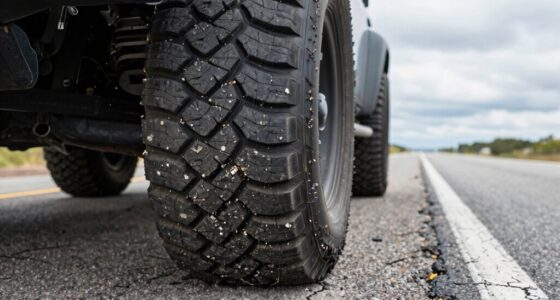
Keeping your bike in top shape requires a consistent maintenance routine, especially if you ride daily. One of the most important aspects is checking your tire pressure regularly. Properly inflated tires not only improve ride quality but also enhance safety and efficiency. You should aim to check your tire pressure at least once a week, or more often if you ride in extreme weather conditions. Use a reliable gauge to guarantee your tires are inflated to the recommended PSI, which you can find printed on the sidewall of your tires or in your bike’s manual. Under-inflated tires increase rolling resistance, making your ride harder work, while over-inflated tires can lead to a bumpy ride and increase the risk of flats. Maintaining correct tire pressure is a simple yet vital step in your daily maintenance routine that keeps your bike rolling smoothly and prevents unnecessary wear. Regularly monitoring your tire pressure helps you identify small issues before they become major problems, ensuring safer rides.
Along with tire pressure, a brake inspection should become a regular part of your routine. Every few rides, you want to check your brake pads for signs of wear and verify your brake cables or hydraulic lines are functioning properly. When inspecting your brakes, look for any uneven wear on the pads or rotors, which could indicate misalignment or a need for adjustment. Squeaking or a soft brake lever can also signal that your brakes need attention. If you notice that your braking response isn’t as sharp as it used to be, take the time to tighten or adjust the brake cables, or bleed hydraulic brakes if needed. Properly functioning brakes are essential for your safety, especially when you’re steering through busy streets or steep descents. Make it a habit to perform a quick brake test before each ride by gently squeezing the lever to feel for firm engagement and responsiveness. If you detect any issues, address them immediately to prevent accidents or further damage. Regularly servicing your bike components can help extend their lifespan and maintain optimal performance.
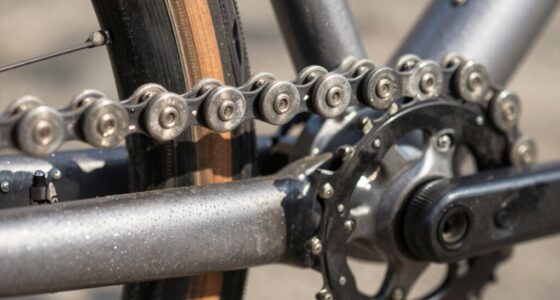
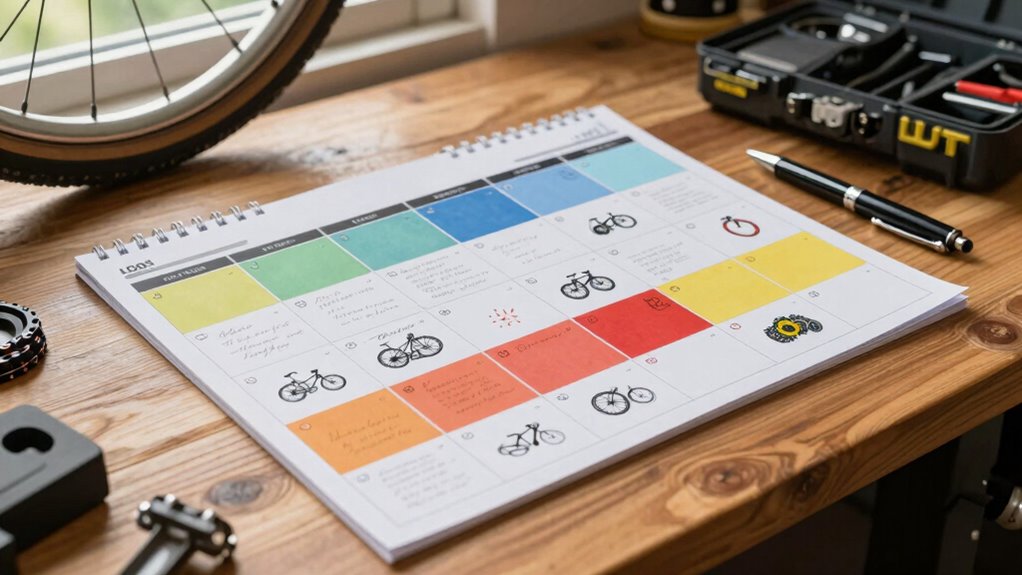
Beyond tire pressure and brake inspection, your maintenance calendar should include other weekly checks, such as lubricating the chain and inspecting your gears. However, these two tasks form the foundation of a routine that keeps your bike reliable and safe for daily use. By sticking to a schedule—checking tire pressure and inspecting brakes regularly—you prevent small problems from turning into costly repairs or safety hazards. This routine not only extends the lifespan of your bike components but also ensures that every ride feels smooth and secure. Remember, consistency is key. A little effort each week keeps your bike in prime condition, so you’re always ready to ride without worry.

Topeak SmartGauge D2 Digital Tire Pressure Gauge – Presta/Schrader Compatible, 250 Psi/17 Bar, Precision Air Pressure Reader with LCD Display for Bikes, Motorcycles & Sports Equipment
- Dual-Valve Compatibility: Works with Presta and Schrader valves
- High-Pressure Range: Measures up to 250 PSI / 17 Bar
- Clear LCD Display: Displays pressure in psi, Bar, or kg/cm²
As an affiliate, we earn on qualifying purchases.
As an affiliate, we earn on qualifying purchases.
Frequently Asked Questions
How Do I Customize My Maintenance Calendar for Different Riding Conditions?
To customize your maintenance calendar for different riding conditions, you should adjust it based on bike storage and weather considerations. For instance, if you store your bike outdoors or in humid climates, increase checks for rust and corrosion. During harsh weather, like rain or snow, frequently inspect brakes, tires, and lubrication. This way, you guarantee your bike stays in top shape, no matter the riding conditions.
What Are Common Signs Indicating Maintenance Is Overdue?
Ever notice your bike whispering warning signs? That’s your cue that maintenance is overdue. Common signs include squealing brakes, sluggish shifting, or uneven tire wear. Ignoring these risks bike safety and disrupts your maintenance scheduling. Pay attention to unusual noises, vibrations, or dashboard indicators. Regularly inspecting your bike and responding promptly keeps your ride smooth and safe, preventing costly repairs and ensuring you stay confident on every trip.
Can I Perform Maintenance Tasks Myself or Should I Hire a Professional?
You can perform basic maintenance tasks yourself if you feel confident, but for bike safety and riding tips, it’s best to hire a professional for more complex jobs. Regularly check tire pressure, brakes, and chain condition to keep your bike in top shape. Doing simple upkeep boosts your riding tips, assures safety, and extends your bike’s lifespan. When in doubt, consulting a professional guarantees your bike remains safe and reliable on every ride.
How Often Should I Replace Tires and Brake Pads?
You should replace your tires every 25,000 to 50,000 miles, or when tread depth drops below 2/32 inch, and change brake pads when they’re worn down to 3mm. Regularly check tire pressure to guarantee safety and maximum fuel efficiency. Don’t forget to replace brake fluid every 1-2 years—it prevents brake fade. Staying proactive keeps your ride smooth and safe, turning maintenance from a chore into a habit.
What Tools Are Essential for Routine Bike Maintenance?
You need essential tools like a set of Allen wrenches, screwdrivers, and tire levers for routine bike maintenance. Don’t forget to include a bike lubrication kit to keep your chain smooth and rust-free, and a chain cleaning tool to remove grime and debris. Regularly lubing your bike and cleaning the chain prevent wear, guarantee safe riding, and extend the life of your components. Keep these tools handy for easy, effective maintenance.
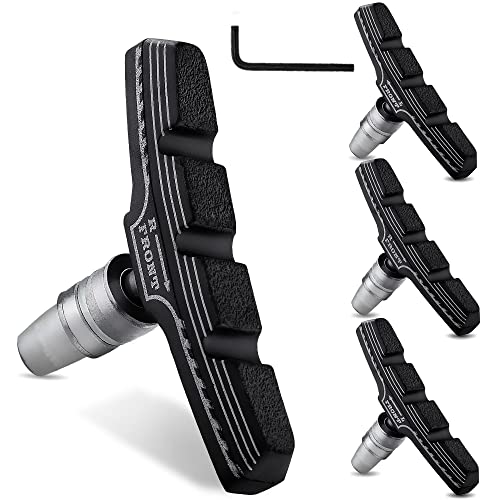
Hapleby 4PCS Premium Bike Brake Pads, Professional Mountain Bicycle V-Brake Pads, Bike Brake Blocks Kit, for Free Hex Wrench
- Durable Material: Hyathetic fiber and nitrile rubber construction
- Long-lasting Use: Over 8,000 uses at 12.5km/h
- High-visibility Indicators: Three white lines for wear status
As an affiliate, we earn on qualifying purchases.
As an affiliate, we earn on qualifying purchases.
Conclusion
Sticking to your maintenance calendar is the best way to keep your ride smooth and reliable. It’s like hitting two birds with one stone—avoiding costly repairs while enjoying a safer, hassle-free journey. Don’t wait for problems to pile up; stay proactive and keep your daily ride in top shape. Remember, an ounce of prevention is worth a pound of cure. Keep up with your maintenance, and your bike will thank you for years to come.

WD-40 Specialist Bike Chain Lube, 6 OZ
- High-performance bike chain lubricant: Suitable for dry, wet, and variable conditions
- Easy to apply: Fast and simple to use formula
- Corrosion protection: Contains inhibitors for long-term performance
As an affiliate, we earn on qualifying purchases.
As an affiliate, we earn on qualifying purchases.
As an affiliate, we earn on qualifying purchases.
Back to school Picks
back to school
As an affiliate, we earn on qualifying purchases.