
A tiny valve stem leak might seem insignificant, but it can silently cause your tire pressure to drop quickly, leading to unsafe driving, decreased fuel efficiency, and uneven tire wear. If you ignore signs like slow air loss or visible damage, it could result in sudden flats or more costly repairs. Catching and fixing leaks early is easy and affordable, and there’s more to uncover about how this small part can have big consequences on your ride.
Key Takeaways
- Valve stem leaks cause slow air loss, leading to underinflated tires and unsafe driving conditions.
- Regular inspection detects cracks, corrosion, or debris entry indicating valve stem damage.
- Ignoring leaks results in uneven tire wear, decreased fuel efficiency, and potential tire failure.
- Repairing or replacing faulty valve stems is simple, affordable, and improves safety and performance.
- Proper tire pressure maintenance prevents issues caused by valve stem deterioration and ensures optimal driving safety.
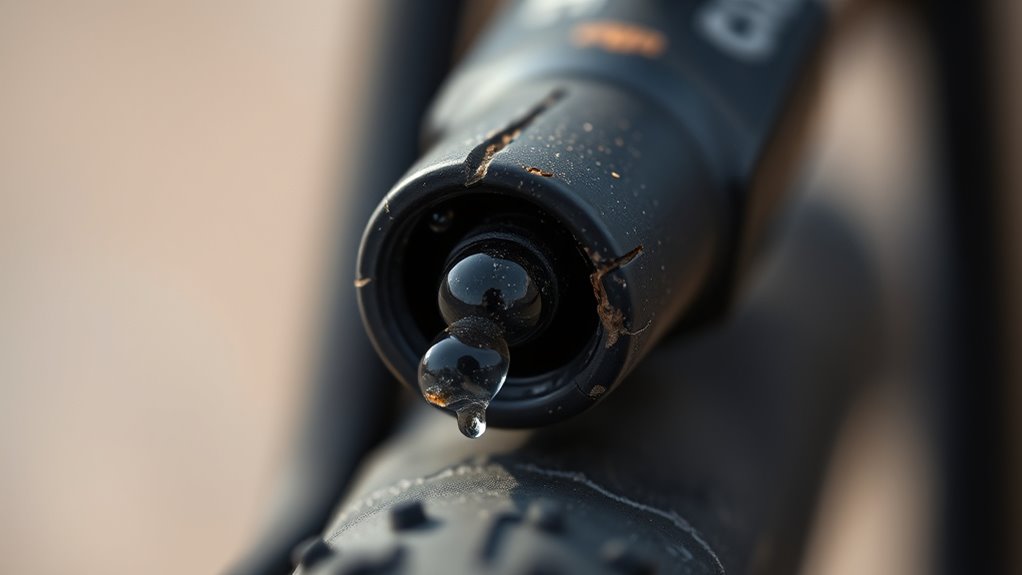
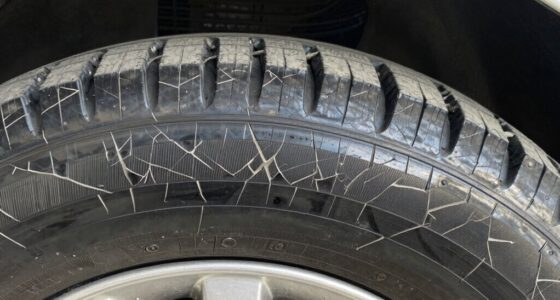
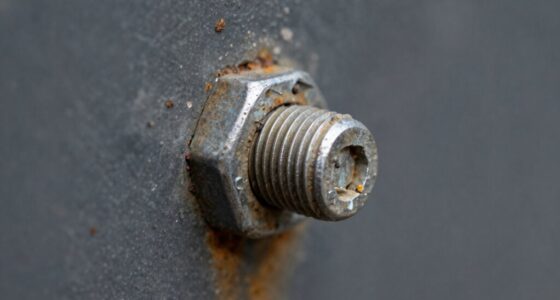
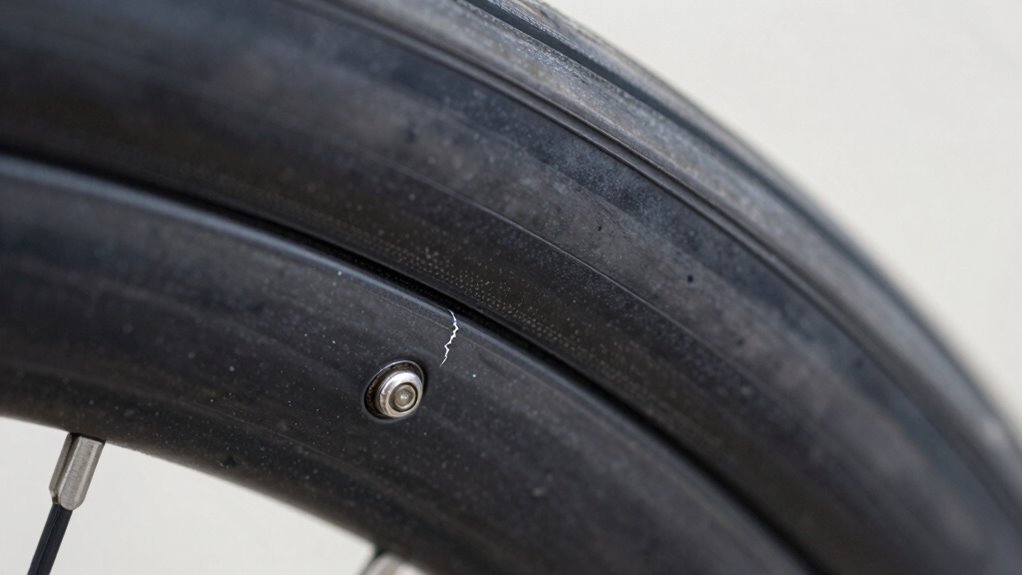
Valve stem leaks can cause slow air loss in your tires, leading to decreased fuel efficiency and unsafe driving conditions. When your valve stem isn’t sealing properly, air escapes gradually, making it harder to maintain ideal tire pressure. This tiny component plays an essential role in tire maintenance, ensuring your tires stay inflated and perform safely on the road. If you notice a sudden drop in air pressure or uneven tire wear, it’s often a sign that your valve stem might be compromised. Keeping an eye on your tire pressure is critical for safe driving and fuel economy. Underinflated tires increase rolling resistance, which means your engine has to work harder, burning more fuel. Overinflated tires, on the other hand, reduce traction and can lead to a rougher ride. Because valve stem leaks can cause slow but persistent air loss, you might not notice the problem immediately. Regularly checking your tires with a reliable gauge allows you to catch these issues early, preventing bigger problems down the line. If you detect a gradual decrease in air pressure, it’s a good idea to inspect the valve stem closely. Replacing or repairing a faulty valve stem is straightforward, but ignoring it can be costly. A damaged valve stem can allow dirt, moisture, and debris to enter the valve core, further compromising tire integrity. Over time, this can lead to more significant air leaks or even sudden flat tires. When inspecting your tires, look for signs of cracking, corrosion, or rubber deterioration around the valve stem. If you’re unsure, a quick visit to your mechanic can confirm whether the valve stem needs replacement. Many shops can quickly and affordably fix or replace the valve stem, restoring proper air pressure and peace of mind. Maintaining proper tire pressure isn’t just about comfort or saving fuel; it’s about safety. A well-inflated tire has better contact with the road, improving handling and braking performance. Valve stem leaks undermine this safety by slowly deflating your tires without obvious signs. Regular tire maintenance, including checking and maintaining correct air pressure, helps prevent dangerous situations caused by underinflation or sudden tire failure. Remember, the tiny valve stem might seem insignificant, but it’s essential for keeping your tires in top shape. When you take care of it, you ensure a safer, smoother ride every time you hit the road. Additionally, the vetted wave and wind can influence the longevity of your valve stems by exposing them to harsh environmental conditions, which may accelerate deterioration.
Frequently Asked Questions
Can Valve Stem Leaks Cause Sudden Tire Blowouts?
Yes, valve stem leaks can cause sudden tire blowouts. When you neglect valve maintenance, small leaks can worsen over time, leading to a rapid loss of air pressure. This weakens tire structure, increasing the risk of blowouts while driving. Regularly check your valve stems for leaks and maintain them properly to guarantee tire safety. Keeping your valves in good shape helps prevent unexpected tire failure and keeps your ride safe.
How Often Should I Check My Valve Stems for Leaks?
You should check your valve stems monthly to catch leaks early. It’s ironic, but these tiny parts often cause big problems if ignored. Use simple leak detection methods like spraying soapy water or listening for hisses. If you notice any issues, don’t hesitate—valve stem replacement isn’t expensive and can save you from a sudden flat. Regular inspections keep your ride smooth and safe, so make it a habit.
Are Certain Vehicle Types More Prone to Valve Stem Leaks?
Yes, certain vehicle types are more prone to valve stem leaks. Older vehicles, especially those with rubber valve stems, often face age-related issues like cracking or deterioration, increasing leak risks. Vehicles with frequent tire changes or harsh driving conditions also tend to have higher chances of valve stem problems. Regular inspections can help catch leaks early, preventing flat tires and ensuring your safety on every ride.
Do Temperature Changes Affect Valve Stem Leak Occurrences?
Yes, temperature changes can affect valve stem leak occurrences. When temperatures fluctuate, thermal expansion causes the valve stem materials to expand or contract, potentially loosening the seal. If the material isn’t durable enough to withstand these shifts, leaks become more likely. To prevent this, choose valve stems made from high-quality, durable materials that resist thermal expansion and maintain a tight seal through temperature swings, ensuring a safer, leak-free ride.
Can Valve Stem Leaks Be Repaired Without Professional Help?
You can try DIY fixes for a valve stem leak if you’re confident, but beware—it’s tricky. Start by inspecting the valve stem, then try reinflating or applying a rubber sealant if needed. However, if the leak persists or you’re unsure, professional repairs are your safest bet to prevent further damage. Don’t risk your ride—know when to tackle it yourself and when to call in the experts.
Conclusion
So, next time you notice that slow leak, remember that tiny valve stem hiding in plain sight. It’s like a quiet gatekeeper, quietly letting your tire’s life escape bit by bit. Imagine the road stretching ahead, full of promise, but this tiny leak threatens to bring your journey to a halt. Keep an eye on that small part—because a quick fix now keeps your ride smooth and your adventures endless, mile after mile.