
With cable brakes, you need to regularly adjust cable tension, inspect brake pads for wear, and confirm calipers and rims stay aligned. Hydraulic brakes require checking fluid levels, bleeding the system to remove air, and inspecting for leaks or caliper movement issues. Both systems benefit from frequent component checks and prompt replacements when needed. Understanding these maintenance routines helps keep your brakes reliable and safe—stay tuned to learn more about keeping them in top shape.

Get bike and ride gear delivered free — and shop member deals
- Fast, free delivery on millions of items
- Access to Prime Big Deal Days deals on October 6–7
- Prime Video, Amazon Music and more included
Key Takeaways
- Cable brakes require regular cable tension adjustments and brake pad replacements, while hydraulic brakes need fluid level checks and bleeding.
- Both systems need caliper alignment and inspection for wear, but hydraulic systems demand leak checks and fluid maintenance.
- Cable brake maintenance focuses on cable lubrication and pad wear, whereas hydraulic brakes require fluid top-ups and system bleed procedures.
- Hydraulic brakes generally need less frequent adjustments but involve more complex maintenance like bleeding and fluid replacement.
- Regular inspection of components, regardless of system, ensures safety, optimal performance, and prevents sudden brake failures during rides.
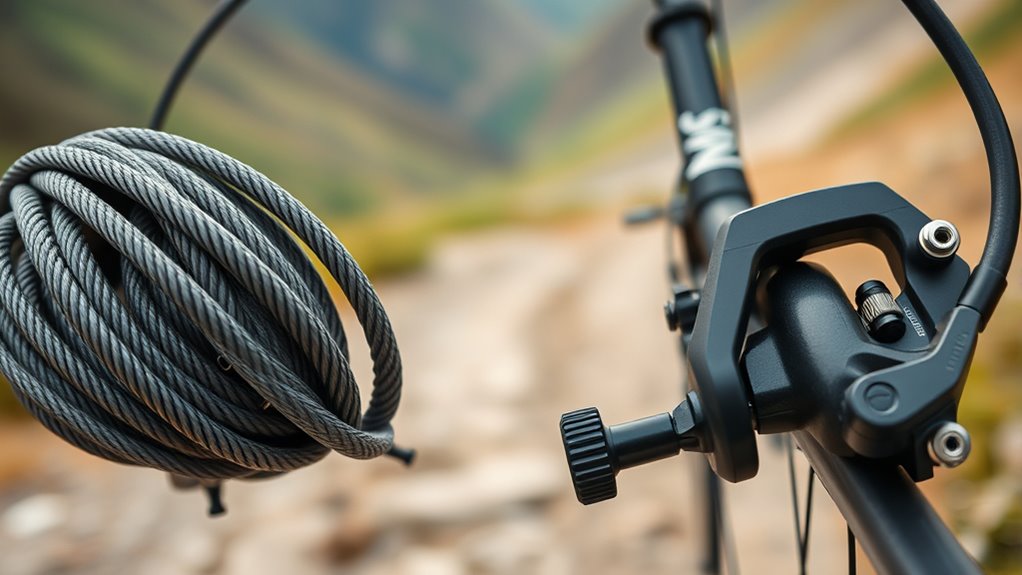
When choosing between cable brakes and hydraulic brakes, understanding their differences can help you make an informed decision for your riding needs. Both systems require regular maintenance, but the specific tasks and frequency vary. With cable brakes, you’ll primarily focus on adjusting cable tension, inspecting brake pads, and ensuring proper caliper alignment. Hydraulic brakes, on the other hand, demand attention to fluid levels, bleeding procedures, and checking for leaks. Knowing what to look for helps you keep your brakes performing efficiently and ensures your safety on the trail or road.
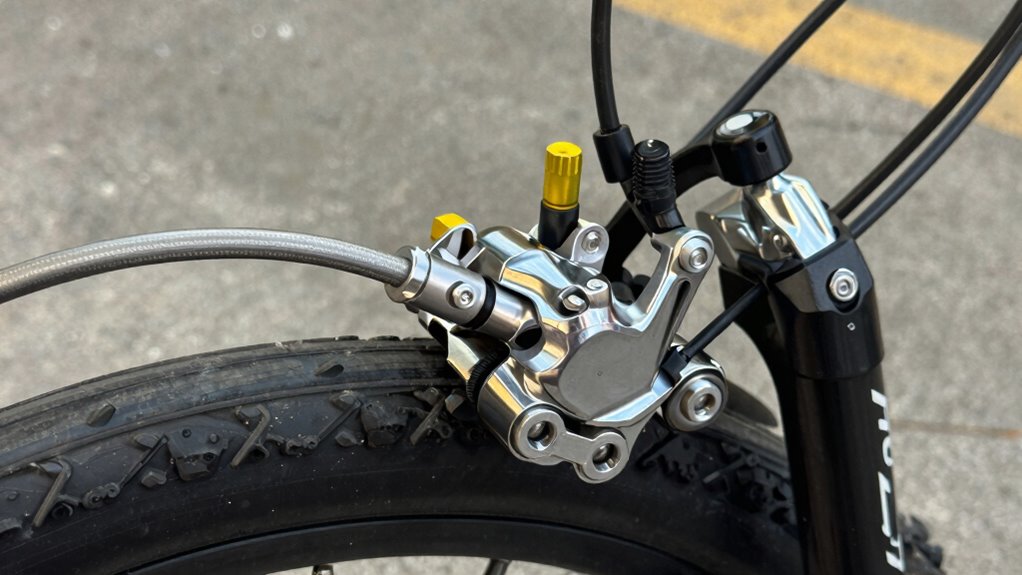
If you ride with cable brakes, one of your main concerns should be brake pad wear. Over time, brake pads become thinner as they contact the rim or rotor. Regularly inspecting the pads lets you catch excessive wear early, preventing reduced braking performance. When the pads get too thin, replacing them is straightforward, but neglect can lead to metal-on-metal contact, damaging the rim or rotor. Along with pad inspection, caliper alignment plays an important role. Misaligned calipers cause uneven brake pad wear and reduce braking efficiency. Ensuring the calipers are properly aligned means they contact the rim or rotor evenly, promoting consistent braking and extending the lifespan of your brake pads.
Hydraulic brakes require a different maintenance approach. Since they’re sealed systems, you won’t need to adjust cables, but keeping the fluid in good condition is essential. Over time, brake fluid can absorb moisture, diminishing braking power and risking system failure. Checking fluid levels regularly and topping up with the recommended fluid keeps your brakes responsive. Bleeding the hydraulic system is necessary if you notice spongy brakes or reduced stopping power, which indicates air or degraded fluid in the lines. Hydraulic systems are less prone to caliper misalignment, but it’s still wise to inspect the calipers for proper positioning and free movement, especially if you notice uneven braking or noise.
In both systems, staying attentive to your brake components ensures longevity and safety. For cable brakes, focus on cable tension, pad wear, and caliper alignment. For hydraulic brakes, prioritize fluid condition, bleeding, and caliper inspection. Regular maintenance prevents sudden failures and guarantees your brakes function when you need them most. Whether you prefer the simplicity of cable brakes or the advanced feel of hydraulic systems, understanding these maintenance essentials allows you to keep your bike in top shape, so you can confidently tackle any ride.
As an affiliate, we earn on qualifying purchases.
Frequently Asked Questions
Which Brake System Is More Environmentally Friendly?
You’ll find hydraulic brakes more eco-friendly because they generally produce less waste and need fewer replacements over time, reducing environmental impact factors. They use less material and energy during manufacturing and maintenance, making them a better choice for eco friendliness comparison. Plus, their efficient braking performance means less frequent repairs and replacements, helping you lower your carbon footprint. Overall, hydraulic systems support more sustainable cycling practices.
How Do Weather Conditions Affect Cable and Hydraulic Brakes?
Weather impact can be subtle but significant on your brake performance. Rain and humidity can challenge cable brakes by promoting corrosion and reducing responsiveness, while hydraulic brakes generally boast better corrosion resistance, keeping your stopping power more reliable. Cold weather may stiffen cables, making brakes feel less sensitive, but hydraulic systems tend to operate smoothly across varying temperatures. Regularly checking and maintaining both systems helps guarantee safety, rain or shine.
Can I Upgrade From Cable to Hydraulic Brakes Easily?
You can upgrade from cable to hydraulic brakes, but compatibility is key. Check if your bike’s frame and components support hydraulic systems, as upgrade compatibility varies. The installation process involves replacing your brake levers, calipers, and hoses, which can be straightforward if you have basic mechanical skills. If you’re unsure, consider consulting a bike shop to make sure of proper fit and function, making your upgrade smoother and more effective.
What Is the Typical Lifespan of Each Brake Type?
Brakes boast different lifespans—cable brakes typically last around 1,000 to 2,000 miles, while hydraulic brakes often go 2,000 to 4,000 miles. You’ll find that brake pad longevity and system durability influence each type’s lifespan. Regular maintenance, such as adjusting cables or replacing pads, extends their life. Hydraulic systems tend to be more durable, but they still require periodic fluid changes to keep performance prime.
Are There Specific Bikes or Riding Styles Better Suited for One System?
If you prefer precise control and smooth braking, hydraulic brakes suit mountain biking or road racing, especially on modern bikes designed for them. Cable brakes work well on casual bikes or for leisurely rides, offering easier bike compatibility and simpler maintenance. Your riding preferences, like mountain trails versus city commuting, influence which system fits best. Choose based on your bike compatibility and how you like to ride for ideal performance.
As an affiliate, we earn on qualifying purchases.
Conclusion
When choosing between cable and hydraulic brakes, remember maintenance is key. While hydraulic systems often require less frequent upkeep, a study shows they can cut brake adjustment time by up to 50%. So, consider your riding style and willingness to perform regular checks. Ultimately, understanding the maintenance needs helps you make a smarter choice, ensuring safer rides and less surprise repairs down the road. Stay informed, and your brakes will serve you reliably for miles to come.
As an affiliate, we earn on qualifying purchases.
bike brake caliper alignment tool
As an affiliate, we earn on qualifying purchases.
As an affiliate, we earn on qualifying purchases.
Fall Picks
fall essentials
As an affiliate, we earn on qualifying purchases.