To merge confidently, focus on matching your speed with highway traffic and checking blind spots with mirrors and shoulder checks. Signal early and wait for a large enough gap to merge smoothly without rushing. Stay calm and trust your vehicle’s capabilities, maintaining steady acceleration as you blend into the flow. Practice and patience are key—continue discovering tips that help you feel more at ease and secure when merging with confidence.
Key Takeaways
- Signal early and clearly to communicate your intentions to other drivers.
- Match your speed with highway traffic before entering the merge lane.
- Look for large gaps and wait patiently for a safe opportunity to merge.
- Use mirrors and shoulder checks to confirm the lane is clear before merging.
- Stay calm, confident, and trust your judgment to blend seamlessly into traffic.
Ever feel unsure about how to merge smoothly onto busy roads? You’re not alone. Many drivers hesitate at the ramp, feeling overwhelmed by the speed and presence of other vehicles. But mastering the art of merging isn’t about luck; it’s about technique. When you learn to blend seamlessly into traffic, you not only make your drive safer but also give yourself a confidence boost. The key is to stay calm, be aware of your surroundings, and follow a few simple steps to facilitate a smooth transition onto the highway.
First, as you approach the merge lane, accelerate to match the speed of the traffic already on the highway. This might seem intimidating at first, but it’s essential for blending seamlessly. When your speed aligns with the flow, merging becomes much easier. Keep an eye on the vehicles around you, especially those in your blind spots. Use your mirrors frequently, and shoulder-check before moving over to confirm the lane is clear. This proactive approach helps you avoid sudden stops or last-minute corrections, making your merge more controlled and confident.
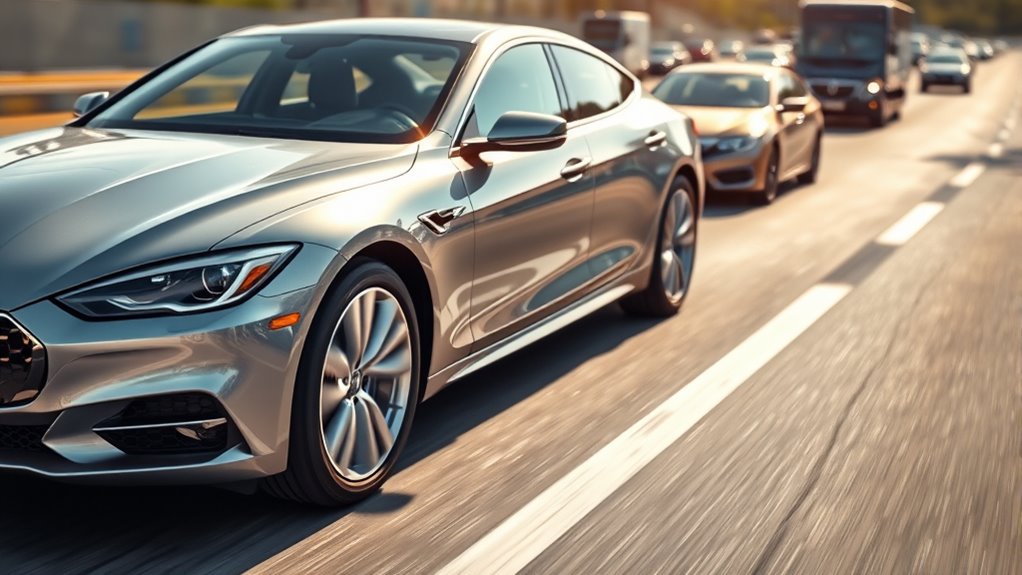
Match your speed with highway traffic and check blind spots for a safe, smooth merge.
Timing is vital. You want to find a gap in traffic that’s large enough to accommodate your vehicle without forcing other drivers to slow down or brake suddenly. Don’t rush—wait for a safe opportunity. Once you see a space, signal early to alert drivers behind you of your intentions. This signal is your way of communicating clearly, preventing confusion and encouraging other drivers to give you room. As you move into the traffic lane, maintain steady acceleration and keep your steering smooth. The goal is to feel like you belong there, not to force your way in.
Remaining calm throughout the process helps you stay in control. Trust your instincts and your vehicle’s capabilities. If you’re nervous, remind yourself that everyone was a beginner at some point. With practice, merging will become second nature. Remember, it’s better to wait for a good gap than to rush and risk unsafe maneuvers. Once you’re safely in the lane, ease into your drive, and enjoy the confidence that comes with knowing you handled a tricky situation with composure.
Frequently Asked Questions
How Can I Build Confidence Before Merging?
To build confidence before merging, focus on practicing good driver etiquette and mastering merge timing. Stay calm, signal early, and check mirrors frequently to feel more in control. Observe other drivers’ behaviors and mimic confident merging techniques. Remember, confidence comes from preparation—so anticipate your merge, give yourself plenty of space, and trust your skills. With consistent practice and awareness, you’ll feel more comfortable merging smoothly every time.
What Should I Do if I Feel Out of Place?
You might notice a coincidence—everyone feels out of place sometimes. When that happens, remember parking etiquette and lane discipline are your allies. Stay calm, signal clearly, and give yourself space. Focus on your driving rather than others’ reactions. Confidence builds as you stick to these rules. Keep in mind, every driver was once a beginner, so trust your skills and take the lane with purpose and calmness.
Are There Specific Signals to Look for When Merging?
When merging, look for clear signals like turn signals and brake lights to understand traffic flow. Watch for cars slowing down or shifting lanes, which indicate an opening. Keep your eyes on the gap ahead and communicate with eye contact or a quick glance. Recognize patterns in traffic movement to time your merge smoothly, ensuring you blend in confidently and safely without disrupting the flow.
How Do I Handle Aggressive Drivers During Merging?
Remember, patience is a virtue. When facing aggressive drivers during merging, stay calm and stick to good road etiquette. Maintain a safe distance, avoid eye contact, and don’t compete for space. Use defensive driving techniques by signaling clearly and giving way when needed. If someone acts aggressively, don’t escalate; instead, let them pass and focus on your safety. Staying composed helps you handle the situation confidently and safely.
What Are Common Mistakes to Avoid When Merging?
When merging, avoid common mistakes like neglecting proper merge etiquette, which can cause confusion or accidents. Don’t rush; make sure to adjust your speed smoothly to match traffic flow, giving others enough space. Never force your way into a gap or ignore signaling. Keep an eye on surrounding vehicles, stay patient, and remember that respectful merging helps everyone stay safe and comfortable on the road.
Conclusion
Remember, everyone has moments of doubt, even when you’re about to merge confidently. Sometimes, it’s funny how a car’s blink or a quick wave can make you realize you’re exactly where you’re supposed to be. So, trust those little signs and your instincts. Before you know it, you’ll find yourself blending in smoothly, feeling like you’ve belonged all along—like fate orchestrated that perfect merge just for you. Keep going; you’re more prepared than you think.