
TL;DR

Get bike and ride gear delivered free with Prime
- Fast, free delivery on millions of items
- Prime Video, Amazon Music and more included
- Member-only deals all year
The European Union has introduced a regulation requiring all new cars sold within member states to include driver monitoring cameras. This move aims to enhance driver safety and reduce accidents. The rule is effective immediately, but implementation details are still being clarified.
The European Union has announced that all new cars sold within member states must be equipped with driver monitoring cameras, a regulation that took effect immediately in April 2024. This policy aims to enhance road safety by monitoring driver alertness and behavior, with authorities emphasizing its potential to reduce accidents caused by fatigue or distraction.
The regulation mandates that every new vehicle sold in the EU must include a driver monitoring system, which uses cameras to track driver attentiveness. The European Commission states this move is part of a broader effort to improve road safety and align with advancements in vehicle safety technology. The regulation applies to all new passenger cars, commercial vehicles, and electric vehicles sold across EU member states.
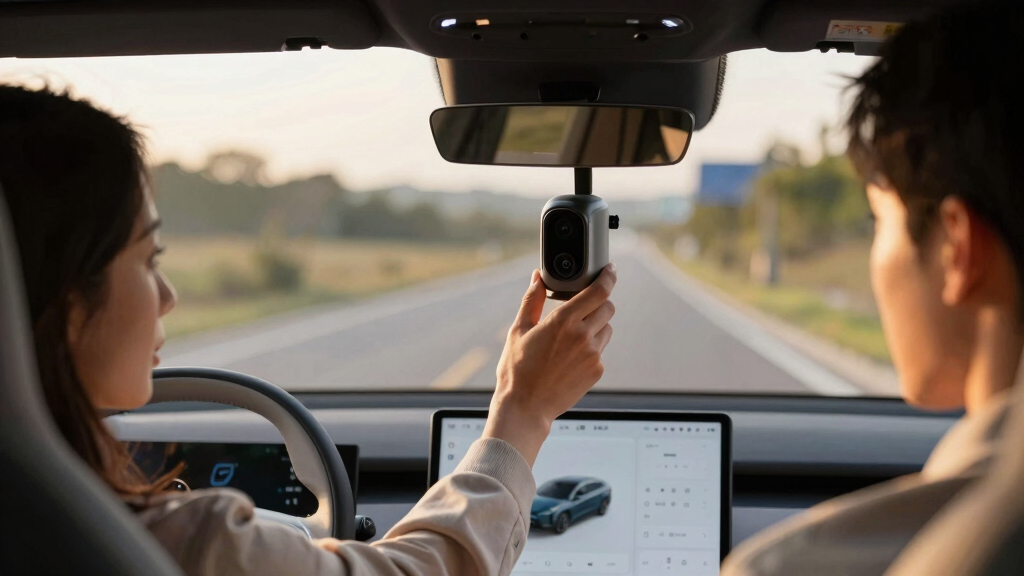
Manufacturers are required to integrate these cameras into their vehicles’ safety systems, with the goal of detecting signs of drowsiness, distraction, or impairment. The cameras must be capable of monitoring driver gaze, head position, and alertness levels. The regulation also stipulates that data collected by these systems should be processed locally and not transmitted externally without driver consent.
Industry experts note that implementation will vary among manufacturers, and some vehicle makers have already begun integrating driver monitoring systems voluntarily. The regulation is expected to accelerate adoption across the automotive sector, with the European Commission emphasizing that safety and privacy protections will be maintained.
Impacts of the EU Driver Monitoring Camera Mandate
This regulation represents a significant shift in vehicle safety standards within the European Union, potentially setting a precedent for other regions. By requiring driver monitoring cameras, the EU aims to reduce accidents caused by fatigue and distraction, which are major contributors to road fatalities. The move could also influence global automakers to incorporate similar safety features in their vehicles worldwide, given the EU’s market size.
However, the policy raises questions about data privacy and driver rights, as monitoring systems collect sensitive behavioral data. Authorities have assured that data will be processed locally and used solely for safety purposes, but ongoing scrutiny from privacy advocates is expected.
As an affiliate, we earn on qualifying purchases.
Background on EU Vehicle Safety Regulations and Monitoring Technologies
The European Union has progressively tightened vehicle safety standards over the past decade, including mandatory safety features like eCall emergency systems and advanced driver-assistance systems (ADAS). The recent driver monitoring camera regulation builds on these efforts, aligning with EU goals to reduce road fatalities by 50% by 2030.
Driver monitoring technology has been available for several years, primarily in high-end vehicles and commercial fleets. Some automakers have voluntarily adopted such systems to enhance safety and driver support. This regulation formalizes their use across all new vehicles sold in the EU, reflecting a broader push toward intelligent vehicle systems.
“This regulation is a major step forward in ensuring safer roads and reducing accidents caused by driver fatigue and distraction.”
— European Commission spokesperson
car driver alertness monitoring system
As an affiliate, we earn on qualifying purchases.
As an affiliate, we earn on qualifying purchases.
Unanswered Questions About Implementation and Privacy
It remains unclear how quickly automakers will fully comply with the regulation, and whether all vehicle models will meet the new standards immediately. Details about specific technical standards, enforcement mechanisms, and penalties for non-compliance are still being finalized. Additionally, there are ongoing debates regarding the extent of data collection, storage, and privacy protections for drivers, with some advocacy groups raising concerns about potential misuse of behavioral data.
vehicle driver drowsiness detection camera
As an affiliate, we earn on qualifying purchases.
As an affiliate, we earn on qualifying purchases.
Next Steps in EU Vehicle Safety Policy Enforcement
Regulatory bodies are expected to issue detailed technical guidelines and compliance deadlines in the coming months. Automakers will need to update their vehicle designs accordingly, with some already announcing plans to integrate driver monitoring systems ahead of the final compliance date. Ongoing monitoring and review of data privacy safeguards are also anticipated, with possible legislative adjustments if concerns arise.
As an affiliate, we earn on qualifying purchases.
Key Questions
When did the EU regulation requiring driver monitoring cameras come into effect?
The regulation took effect immediately in April 2024, requiring all new cars sold in the EU to include such systems.
Are all vehicle types affected by this regulation?
The regulation applies to all new passenger cars, commercial vehicles, and electric vehicles sold within the EU.
Will this increase the cost of new vehicles?
Industry estimates suggest that integrating driver monitoring systems could add a small cost to new vehicles, but exact impacts vary by manufacturer and model.
How will driver privacy be protected?
The regulation mandates that data collected by monitoring cameras be processed locally and not transmitted externally without driver consent, though privacy concerns remain under discussion.
What happens if a manufacturer does not comply?
Regulatory authorities will enforce compliance through penalties, which may include fines or restrictions on vehicle sales, but specific enforcement measures are still being finalized.
Source: hn
Halloween Picks
halloween
As an affiliate, we earn on qualifying purchases.