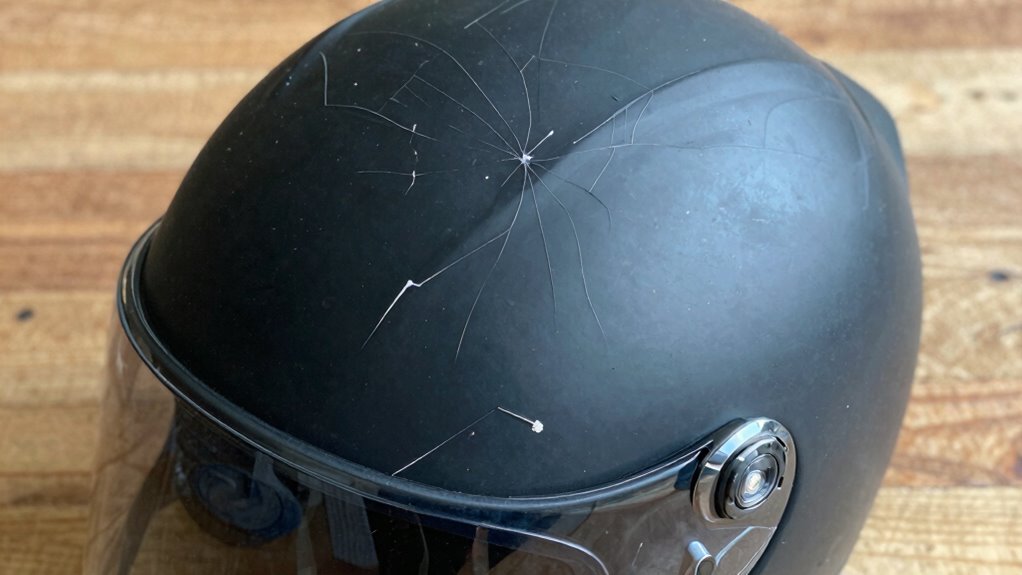

After a fall, check your helmet for visible damage like cracks, dents, or shell dents. Make sure the fit is still snug; a loose helmet suggests internal foam damage. Feel inside for cracks or compression in the foam liner, even if the outside looks fine. Inspect for any shifts or looseness, and clean it carefully to spot hidden issues. If anything feels off, it’s safest to replace it—continue to find out more essential tips to keep your head protected.
Key Takeaways
- Check for any visible cracks, dents, or damage on the helmet’s shell after a fall.
- Ensure the helmet still fits snugly; looseness indicates internal foam compromise.
- Inspect the interior foam for cracks, compression, or damage not visible externally.
- Replace the helmet if it has suffered a significant impact, even if no damage is visible.
- Follow manufacturer guidelines and replace the helmet regularly to maintain safety standards.

After a fall, it’s essential to evaluate whether your helmet is still safe to use, even if it looks undamaged. Helmets are designed to absorb impact, but they don’t always show visible signs of damage afterward. You need to examine both the helmet fit and the integrity of the helmet itself. If the fit feels different or looser than before, it could be a sign that the helmet’s internal foam has been compromised. A helmet that no longer fits snugly offers less protection, increasing your risk of injury if you fall again. Make sure the chin strap still secures firmly and that the helmet stays in place during movement. If it shifts or feels loose, it’s time to replace it.
In addition to checking fit, consider whether your helmet has suffered any impacts that could have weakened its structure. Even if it appears fine from the outside, the foam liner inside might have been compressed or cracked, reducing its shock-absorbing capacity. You shouldn’t rely solely on visual inspection; gently press around the helmet to see if it maintains its shape and consistency. If you notice any cracks or dents, discard the helmet immediately. Remember that the helmet’s shell may look intact but could still have internal damage that isn’t visible. For this reason, many experts recommend replacing your helmet after a significant impact, regardless of how minor it seems. Structural integrity is crucial for helmet safety. Additionally, understanding the impact forces involved can help you determine whether your helmet’s safety has been compromised. It’s also wise to refer to manufacturer guidelines, as many brands specify a maximum lifespan or impact limit for helmets. Regularly inspecting the helmet’s internal components can provide early signs of damage that aren’t visible externally.
Proper helmet cleaning is also crucial after a fall, especially if you’ve been exposed to dirt, sweat, or debris. Regular cleaning helps prevent bacterial buildup and keeps the helmet comfortable for longer use. Use mild soap and water to wipe down the surface and interior padding carefully. Avoid harsh chemicals, as they can degrade the helmet’s materials. While cleaning, take the opportunity to inspect the helmet more thoroughly for any cracks or compromised areas. If you notice any signs of wear or damage during cleaning, replace the helmet promptly. Remember that regular maintenance can extend the lifespan and safety of your helmet, but it doesn’t replace the need for periodic replacement after impacts.
Ultimately, trust your instincts and be cautious. Even if the helmet looks fine and fits well, if you have any doubts about its integrity after a fall, it’s safest to replace it. Helmets are your first line of defense, and ensuring they’re in top condition can make all the difference in protecting your head. Regularly replacing helmets after a collision, regardless of visible damage, guarantees you’re always wearing the safest gear possible.

AOUTACC Universal Airsoft Helmet Pads, Helmet Replacement Foam Padding Kits Set Accessories Mats for Fast-Style/Mich/ACH/PASGT Helmet (EVA Foam, Black)
- Package Includes: 9 foam pads and 10 hook loop circles
- High-Quality Material: Non-toxic memory EVA foam for comfort and stability
- Easy Installation: Includes sticky circles for simple attachment and removal
As an affiliate, we earn on qualifying purchases.
As an affiliate, we earn on qualifying purchases.
Frequently Asked Questions
Can a Helmet’s Fit Be Affected After a Fall?
Yes, a helmet’s fit can be affected after a fall. Impact resistance might diminish, and the internal foam could compress or crack, compromising safety. You should regularly inspect your helmet for any signs of damage and make sure it still fits snugly without shifting. Proper helmet maintenance involves checking for cracks, dents, or deformation to guarantee it provides the best protection in case of future impacts.
How Long Do Helmets Typically Last Before Replacement?
Typically, helmets should be replaced every 3 to 5 years, depending on helmet material and impact absorption capabilities. For example, a cyclist’s helmet exposed to frequent sun and sweat may degrade faster, reducing its effectiveness. Over time, the helmet’s foam and outer shell can weaken, diminishing impact absorption. Regularly inspecting for cracks or dents and replacing after any significant impact guarantees maximum protection and safety.
Is There a Visual Indicator for Helmet Damage?
You can’t rely solely on helmet aesthetics to spot damage. Visual indicators like cracks, dents, or deep scratches are clear signs of damage, but material degradation might not be visible. Over time, the helmet’s foam and shell weaken, even if it looks fine. After a fall, check carefully for any new damage or changes in appearance, and replace your helmet if you notice any signs of deterioration or compromised integrity.
Do All Impacts Require Helmet Replacement?
Not all impacts require helmet replacement, but many do. Helmet manufacturing standards emphasize impact absorption, meaning even a minor hit can compromise its protective ability. If you’ve experienced a fall, inspect your helmet for visible cracks, dents, or deformation, as damage can reduce impact absorption. When in doubt, it’s safest to replace your helmet to guarantee maximum protection, since compromised helmets might not adequately absorb future impacts.
Can Minor Falls Weaken Helmet Safety Over Time?
Minor falls can weaken your helmet’s safety over time because repeated impacts may compromise the helmet material, reducing its impact absorption. Even if the fall seems minor, subtle damage to the helmet’s foam or shell can diminish its protective qualities, making it less effective in future impacts. Regularly inspect your helmet for cracks or dents, and replace it if you notice any damage, ensuring maximum impact absorption and safety every time you ride.

Klein Tools 60517 Safety Helmet, Vented Class C with Rechargeable Lamp and Chin Strap, Premium KARBN Pattern, Adjustable Vents
- Stylish KARBN Pattern: Hydro-dipped durable polymer film
- Adjustable Vents: Large vents for airflow and comfort
- Rechargeable Headlamp: Includes Klein rechargeable lamp with cable
As an affiliate, we earn on qualifying purchases.
As an affiliate, we earn on qualifying purchases.
Conclusion
So, after a fall, don’t just assume your helmet is still good to go. Check for cracks, dents, or any visible damage, and remember, even if it looks fine, it might not offer the same protection. When in doubt, replace it—your safety’s worth it. Isn’t it better to be safe than sorry? Trust your instincts and replace your helmet if anything seems off. Your head will thank you.

Aoutacc Helmet Padding Kit, Bicycle Replacement Universal Foam Pads Kits Set Mats for Bike Motorcycle Cycling Helmet Accessories
- Package Includes: 9 foam pads and 27 hook&loop circles
- High-Quality Material: Breathable, soft, durable sponge
- Easy Installation: Includes sticky circles for quick setup
As an affiliate, we earn on qualifying purchases.
As an affiliate, we earn on qualifying purchases.
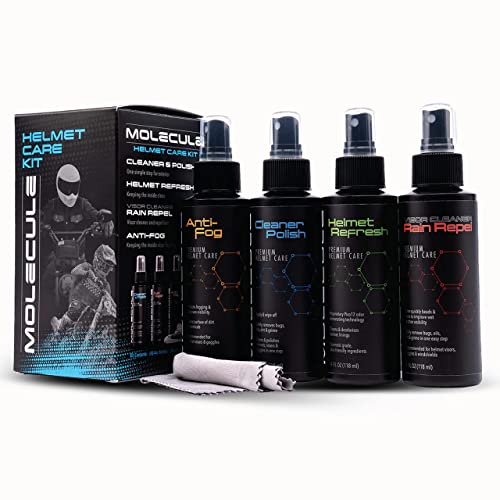
Molecule Helmet Care Kit | Premium Helmet Care | Includes Anti-Fog, Cleaner Polish, Helmet Refresh, and Rain Repel | Cleans and Details Helmets, Visors, and Goggles | 4 Ounces (1 Kit)
- Easy-to-Use Helmet Cleaner: Cleans and polishes helmets and visors
- Deodorizes Helmet Linings: Removes odors from helmet interiors
- Enhances Visibility: Improves clarity and safety
As an affiliate, we earn on qualifying purchases.
As an affiliate, we earn on qualifying purchases.