
TL;DR

Get bike and ride gear delivered free with Prime
- Fast, free delivery on millions of items
- Prime Video, Amazon Music and more included
- Member-only deals all year
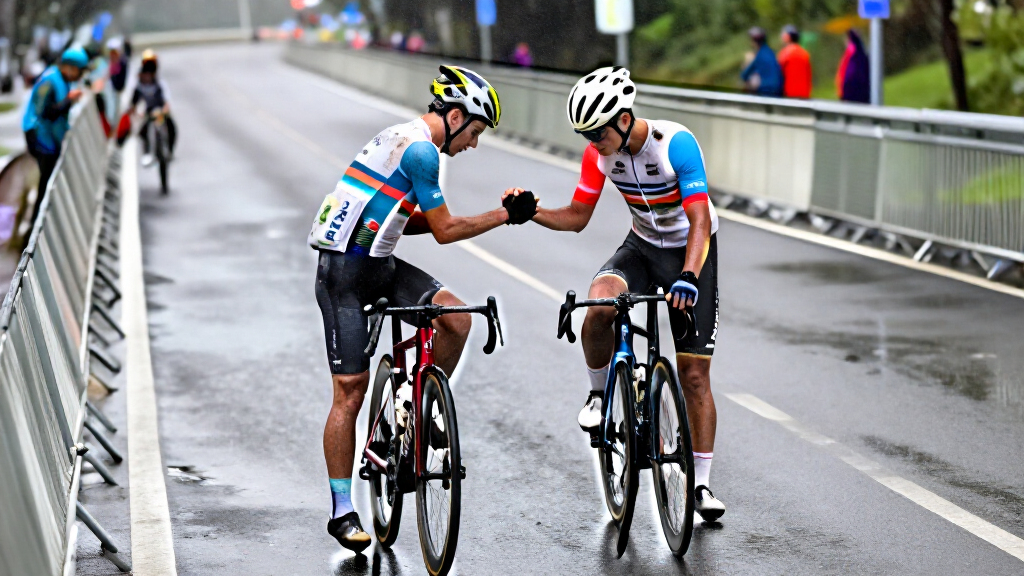
Riders paused before the start of Il Lombardia and issued a statement demanding safer race conditions, particularly better control of non-race vehicles on courses. The protest followed recent incidents and the August death of Finlay Tarling; whether it will lead to lasting changes remains unclear.
Riders gathered before Il Lombardia on Saturday, pausing before the race and releasing a statement demanding action on dangerous conditions, including non-race vehicles on courses. The protest followed a series of vehicle-related incidents and the August death of Finlay Tarling, putting renewed pressure on the UCI and race organisers to improve rider safety.
The statement, shared by riders including Tom Pidcock and Ben Healy, said riders depend on cycling’s governing body and race organisers to secure roads while they compete at high speed with little protection. It described a fatal incident in the summer as an example of the risks and said: “We will not stand for this any longer.” The statement accused those responsible for road security of failing to meet that responsibility.
The immediate concern is non-race vehicles entering or moving on courses. The source report says such vehicles were involved in incidents at two Italian races in the week before Il Lombardia. It also notes that two of Pidcock’s teammates were struck by a police motorbike at Tre Valli Varesine. The protest was reportedly organised in the week before Lombardia by riders themselves, rather than through the riders’ union, the CPA.
The International Association of Cycling Race Organisers, or AIOCC, responded by saying it understood riders’ concerns and was committed to safety. It also regretted that the protest had taken place without prior consultation between organisers and riders’ unions. The riders’ statement and the AIOCC response establish that safety and how to address it are under discussion; the source does not report any specific new safety measures announced after the protest.
Pressure for Safer Race Courses
The protest made road safety a visible collective demand from riders, not only an issue raised after an individual crash. That matters because riders compete at speed with limited physical protection and rely on organisers and governing bodies to manage course access and traffic. The statement focuses on a practical concern—vehicles on race routes—and calls for those responsible to meet their safety obligations.
The show of solidarity may give riders leverage to press for changes, though the article’s argument that collective protest can force action is commentary rather than confirmation of any outcome. The response from the AIOCC points to a difference over process: organisers say dialogue with riders’ unions matters, while the protest was reportedly arranged directly by riders. Whether that disagreement produces cooperation or delays remains unknown.
As an affiliate, we earn on qualifying purchases.
Incidents Behind the Protest
The action followed multiple reported vehicle-related incidents in Italian races. The source says a police motorbike struck two of Pidcock’s teammates at Tre Valli Varesine and identifies two races in the preceding week where non-race vehicles were seen on courses. It also links the safety concerns to Finlay Tarling’s death in August, which the riders’ statement described as resulting from the same kind of failure. The source does not provide further details about the fatal incident.
The protest was reportedly organised outside the CPA, the riders’ union. Cycling Weekly’s report characterises this as an effort by riders to act collectively on their own. Tarling’s father, Michael, welcomed the protest on social media, according to the report. The piece is an opinion column by Cycling Weekly news editor Adam Becket, so its views on the effectiveness of protest and the urgency of change should be distinguished from the reported events and attributed statements.
“This summer, a life was tragically lost to exactly this kind of failure. We will not stand for this any longer.”
— Statement shared by riders including Tom Pidcock and Ben Healy
As an affiliate, we earn on qualifying purchases.
Safety Measures Still Unspecified
The source reports no specific commitments, timetable or new safety rules from the UCI, race organisers or the AIOCC after the protest. It is also not clear what steps would prevent non-race vehicles from accessing courses, how responsibility is divided among the organisations involved, or whether the riders’ action will lead to formal negotiations. The precise circumstances of Tarling’s death are not detailed in the supplied report.
The AIOCC’s statement says consultation should involve organisers and riders’ unions, while the protest was reportedly organised without the CPA. It remains unclear whether riders, the union and organisers have since met or agreed on a process for further talks.
cycling helmet with impact protection
As an affiliate, we earn on qualifying purchases.
As an affiliate, we earn on qualifying purchases.
Whether Riders Keep Up Pressure
The next test is whether the Il Lombardia protest leads to sustained collective action and visible changes to race safety. The source argues that one protest should be a starting point and calls for continued pressure on the UCI and organisers, but it does not report a scheduled follow-up protest, meeting or decision.
Any further developments would need to clarify what measures are planned, who will carry them out and how their effectiveness will be checked. For now, the confirmed development is the riders’ public demand and the AIOCC’s response; a safety agreement or concrete reform has not been reported.
As an affiliate, we earn on qualifying purchases.
Key Questions
What happened before Il Lombardia?
Riders paused before the race and issued a statement calling for safer conditions and better security on race roads.
What safety issue were riders protesting?
The statement focused particularly on non-race vehicles on courses, alongside wider concerns about riders’ exposure to danger during races.
What did race organisers say?
The AIOCC said it understood riders’ concerns and was committed to safety. It also regretted that the protest occurred without prior consultation between organisers and riders’ unions.
Have new safety measures been announced?
The supplied report does not identify any specific new measures, timetable or agreement announced after the protest.
Will riders protest again?
That has not been confirmed. The report calls for continued pressure, but gives no date or plan for another protest.
Source: rss
Halloween Picks
halloween
As an affiliate, we earn on qualifying purchases.