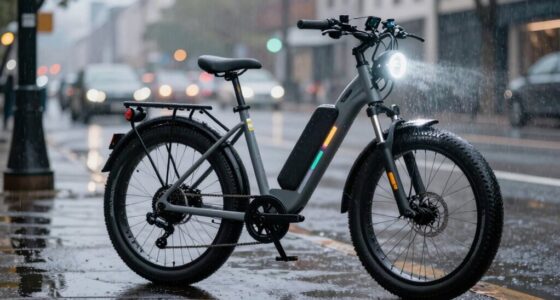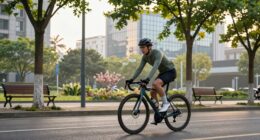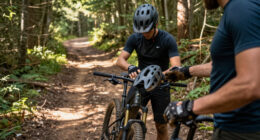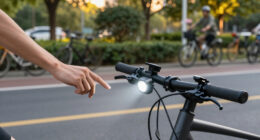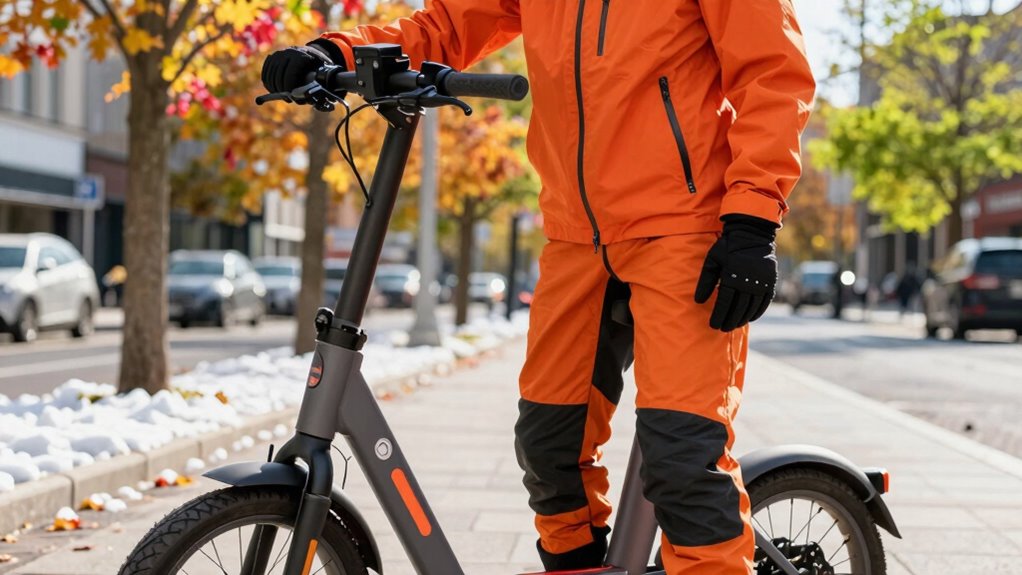
To build a four-season wardrobe for micromobility, focus on versatile layers like moisture-wicking base layers, insulating mid-layers, and waterproof outer shells that you can adjust throughout the day. Choose weatherproof accessories such as helmets with visors, insulated gloves, waterproof shoes, and packable rain gear. Incorporate reflective and bright clothing for safety in low-light conditions. By combining these elements, you’ll stay safe, comfortable, and protected year-round—you’ll uncover more tips if you keep exploring.

Get bike and ride gear delivered free — and shop member deals
- Fast, free delivery on millions of items
- Access to Prime Big Deal Days deals on October 6–7
- Prime Video, Amazon Music and more included
Key Takeaways
- Choose versatile, layered clothing with moisture-wicking, insulating, and waterproof options to adapt to changing weather conditions.
- Incorporate weatherproof accessories like helmets, gloves, shoes, and rain gear with reflective elements for safety and visibility.
- Prioritize fabrics designed for micromobility to enhance safety, durability, and comfort across different seasons.
- Use strategic layering techniques for quick adjustments, maximizing protection and comfort during temperature fluctuations.
- Opt for packable, lightweight gear that is easy to carry and deploy, ensuring year-round readiness for weather shifts.
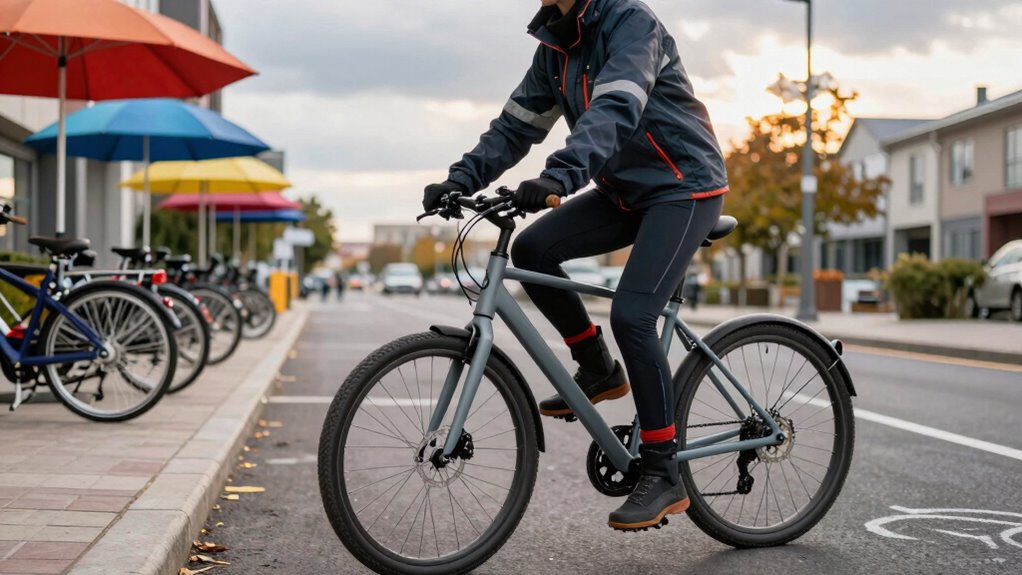
Commuting year-round on micromobility devices like e-scooters or bikes requires more than just a passion for eco-friendly travel; it demands a thoughtfully curated wardrobe that adapts to every season. You need clothing that keeps you comfortable, safe, and stylish no matter the weather. The key to this is understanding how to layer effectively and choosing weatherproof accessories that protect you from the elements. Layering essentials are your best allies—they allow you to adjust your outfit as temperatures change throughout the day. Start with moisture-wicking base layers that keep sweat away from your skin, especially during warmer months or when you’re exerting yourself riding up hills. Add insulating mid-layers, like lightweight fleeces or thermal shirts, for colder days, which trap heat without adding bulk. Top it off with waterproof or windproof outer shells that shield you from rain, snow, or gusts of wind, making sure you’re prepared for unexpected weather shifts.
Weatherproof accessories are equally crucial. A high-quality helmet with a built-in visor can protect your face from rain and wind, while gloves that are both breathable and insulated keep your hands warm without sacrificing dexterity. Consider investing in a pair of waterproof shoes or shoe covers to prevent soggy feet, which can quickly ruin your commute and lead to discomfort. A compact, packable rain jacket or poncho can be easily stashed in your backpack or pannier, ready to deploy at a moment’s notice. Reflective elements and bright-colored clothing are essential safety gear, especially when visibility is low during dawn, dusk, or stormy weather. These accessories ensure you’re seen by motorists and other commuters, reducing risks on your journey. Additionally, selecting clothing fabrics that are specifically designed for micromobility can enhance your overall safety and comfort during your rides. Using weatherproof gear that combines functionality and durability can further improve your riding experience across all seasons. Incorporating proper safety gear like reflective elements and bright colors completes your four-season wardrobe, ensuring you’re prepared for any weather scenario while maintaining visibility and safety. To optimize your outfit further, consider layering techniques that allow for quick adjustments and maximum protection against the elements.
moisture-wicking base layer for cycling
As an affiliate, we earn on qualifying purchases.
As an affiliate, we earn on qualifying purchases.
Frequently Asked Questions
What Are the Best Materials for Waterproof Bike Clothing?
The best materials for waterproof bike clothing are those made from waterproof fabrics like Gore-Tex, eVent, or proprietary breathable membranes. These fabrics keep you dry while allowing moisture to escape, thanks to breathability features. Look for clothing with sealed seams and waterproof zippers to enhance protection. Combining these materials guarantees you stay dry and comfortable during your commute, regardless of weather conditions.
How Do I Pack Lightweight Clothing for Changing Weather?
You might find yourself surprised how effective layering techniques are when packing lightweight clothing for changing weather. Use packing strategies like rolling clothes to save space, and include versatile pieces that can be easily layered. Pack a compact waterproof jacket, moisture-wicking base layers, and a couple of lightweight insulating options. This way, you’re prepared for sudden temperature shifts without overloading your bag, making your commute smooth regardless of the weather.
What Accessories Enhance Safety in Different Seasons?
You enhance safety across seasons by wearing a helmet with good visibility, ensuring you stay protected and seen. Add reflective accessories like vests, ankle bands, or tape to boost your visibility in low-light conditions. During rainy or foggy weather, consider reflective rain gear or lights. These accessories help others notice you, reducing accidents and making your micromobility commute safer year-round.
How Often Should I Replace My Commuting Gear?
You should replace your commuting gear when it shows signs of wear, tear, or reduced safety features, which impacts gear durability. Regularly assess your gear’s condition and perform seasonal wardrobe rotation to keep everything in top shape. Typically, replace items like helmets or waterproof gear every 3-5 years, but always prioritize safety over age. Maintaining fresh gear guarantees your safety and comfort during your micromobility commutes.
Are There Eco-Friendly Options for Seasonal Bike Apparel?
Yes, you can find eco-friendly apparel brands that use sustainable fabric choices, making your seasonal bike gear more environmentally friendly. Look for brands committed to sustainability, like Patagonia or Vaude, that prioritize recycled materials and eco-conscious manufacturing. These options help reduce your carbon footprint while keeping you comfortable year-round. Choosing eco-friendly apparel not only supports sustainable practices but also encourages the industry to adopt greener innovations for micromobility commuting.
As an affiliate, we earn on qualifying purchases.
Conclusion
Building a four-season wardrobe for micromobility commuting keeps you prepared and comfortable year-round. With the right layers, waterproof gear, and versatile footwear, you can confidently ride through any weather. Did you know that over 60% of commuters prefer bikes or e-scooters for their convenience? By investing in smart clothing choices, you not only stay dry and warm but also boost your efficiency and safety. Stay adaptable, and enjoy your rides no matter the season!
reflective safety vest for cyclists
As an affiliate, we earn on qualifying purchases.
As an affiliate, we earn on qualifying purchases.
As an affiliate, we earn on qualifying purchases.
Evergreen bestsellers Picks
bestsellers
As an affiliate, we earn on qualifying purchases.