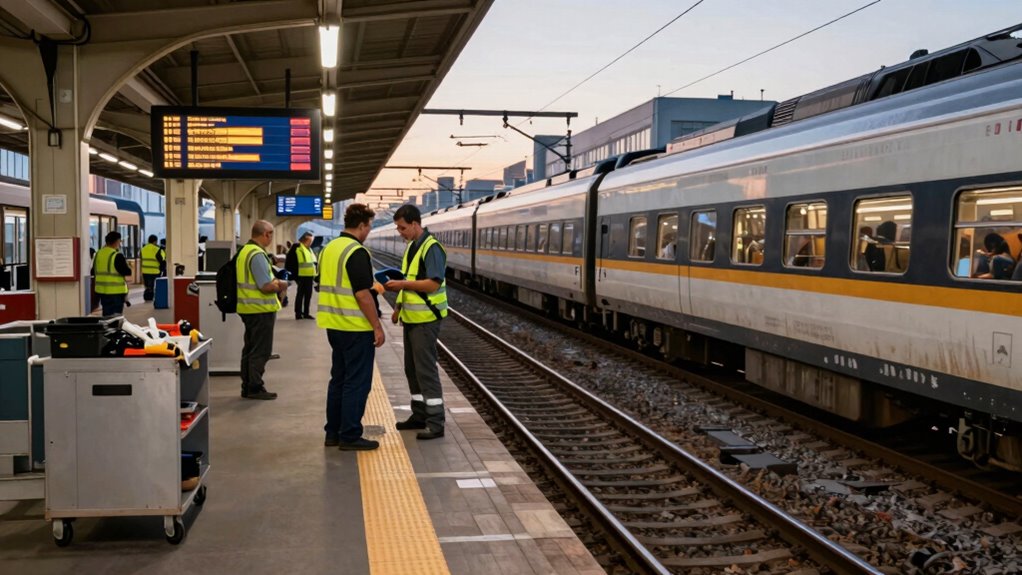

To save headaches, check your tire pressure and guarantee it’s at the recommended level to improve safety and extend tire life. Inspect fluid levels like oil, coolant, and brake fluid, topping off any low or dirty fluids. Look for signs of wear or leaks, and listen for unusual noises. Keeping up with these simple steps weekly prevents breakdowns and costly repairs. Stick with us to discover more easy maintenance tips that keep your vehicle running smoothly.

Get bike and ride gear delivered free with Prime
- Fast, free delivery on millions of items
- Prime Video, Amazon Music and more included
- Member-only deals all year
Key Takeaways
- Perform weekly tire pressure checks to ensure proper inflation, improving safety and extending tire life.
- Inspect fluid levels, including oil, coolant, and brake fluid, to prevent overheating and mechanical issues.
- Look for signs of tire damage, leaks, or unusual noises during routine inspections for early problem detection.
- Review maintenance history and schedule upcoming service intervals to avoid neglect and costly repairs.
- Conduct a quick overall vehicle assessment to catch minor issues before they escalate, ensuring safety and reliability.
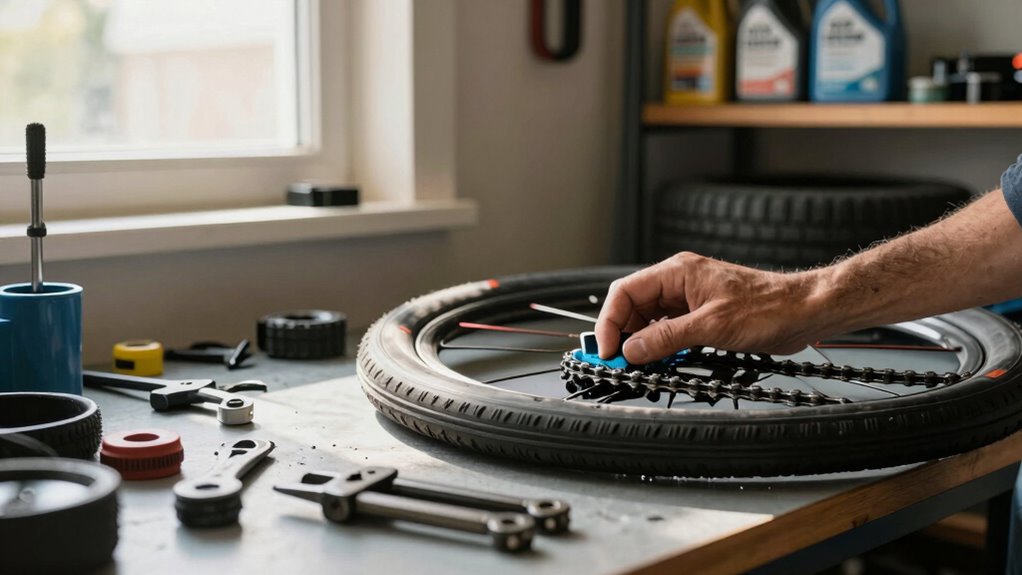
Establishing a weekly maintenance routine is essential for keeping your home, vehicle, and appliances running smoothly. When it comes to your vehicle, dedicating a few minutes each week can save you from unexpected breakdowns and costly repairs. Start by checking your tire pressure. Properly inflated tires improve fuel efficiency, ensure safer handling, and extend tire life. Use a reliable tire pressure gauge and compare the readings to the manufacturer’s recommended levels, which you can find on the driver’s side door jamb or in your owner’s manual. If your tires are underinflated, add air until they reach the correct pressure. Overinflated tires can also cause uneven wear, so maintaining the right pressure is key.
Regularly check tire pressure to improve safety, fuel efficiency, and tire longevity.
Alongside tire pressure, you should routinely check your vehicle’s fluid levels. These include engine oil, coolant, brake fluid, transmission fluid, and windshield washer fluid. Low or dirty fluids can lead to engine overheating, brake failure, or transmission issues—problems that are often preventable with regular checks. Open the hood and inspect each fluid reservoir, topping off or replacing fluids as needed. Keep a small funnel handy to make refilling easier and cleaner. For engine oil, pull out the dipstick, wipe it clean, then reinsert it to check the level and condition. If the oil looks dark or gritty, consider changing it sooner rather than later. Maintaining proper fluid levels prevents unnecessary strain on your vehicle’s systems and ensures everything runs smoothly. Regular inspections also help you detect early signs of wear and address minor issues before they escalate into major repairs. Additionally, checking your vehicle’s maintenance history can help you stay on top of scheduled service intervals and prevent neglect.
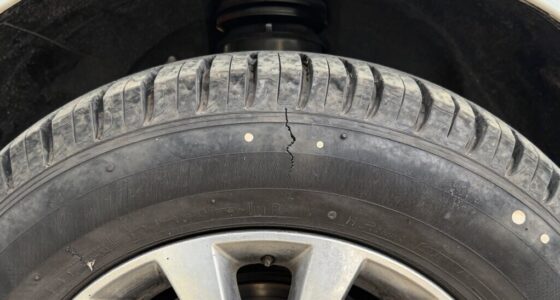
Scheduling this weekly check also offers a chance to spot leaks, worn belts, or other minor issues before they become major repairs. Pay attention to unusual smells, noises, or vibrations during your inspections, and address problems promptly. It’s a simple habit that can extend your vehicle’s lifespan and boost safety on the road. Additionally, don’t forget to inspect your tires for signs of damage or uneven wear, which could indicate alignment issues or other underlying problems. Keeping your vehicle’s tires properly inflated and fluids topped off is a straightforward yet effective way to avoid breakdowns, save money, and reduce stress during your daily commute. Regular maintenance can also improve your vehicle’s fuel efficiency, saving you money over time and reducing unnecessary emissions. Keeping your vehicle in top shape ensures your safety and peace of mind every time you drive.
As an affiliate, we earn on qualifying purchases.
Frequently Asked Questions
How Do I Prioritize Maintenance Tasks for My Vehicle?
You should prioritize maintenance tasks by checking tire pressure and fluid levels first, as they directly impact safety and vehicle performance. Start weekly with these essentials, ensuring tires are properly inflated and fluids like oil, coolant, and brake fluid are at recommended levels. Afterward, address other issues like brake inspections and battery health. This approach keeps your vehicle reliable, saves you money, and prevents unexpected breakdowns during your commute.
What Tools Are Essential for Weekly Vehicle Maintenance?
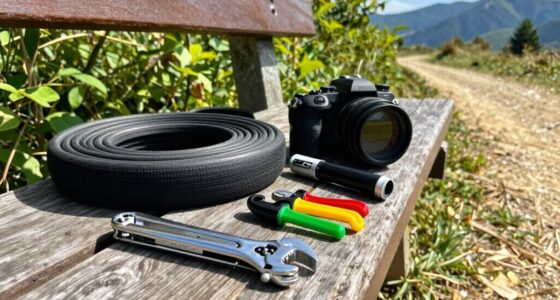
You need essential tools like a tire pressure gauge to check your tire pressure and a dipstick for monitoring oil levels. Keep a reliable wrench set, screwdrivers, and rags handy for minor fixes. Regularly using these tools helps you maintain proper tire pressure and oil levels, preventing breakdowns. Investing in a portable air compressor and oil filter wrench can streamline weekly checks, ensuring your vehicle stays in top shape for your commute.
How Can I Detect Early Signs of Vehicle Issues?
You can detect early warning signs by paying close attention to dashboard indicators, which alert you to potential issues. Regularly check for unusual sounds, smells, or vibrations, and observe changes in vehicle performance. Keep an eye out for warning lights like the check engine or oil pressure alerts. Addressing these early signs promptly prevents minor problems from escalating, ensuring your vehicle stays reliable and safe for your daily commute.
Is Professional Maintenance Necessary Alongside Weekly Routines?
Yes, professional maintenance is vital even if you do weekly routines. While inspecting vehicle cosmetics and parking lot inspections help catch minor issues, a professional mechanic guarantees everything runs smoothly. They can identify problems you might overlook, like brake or engine issues, preventing costly repairs. Regular professional check-ups complement your routine, keeping your vehicle safe, reliable, and looking good, so you can enjoy stress-free commuting.
How Does Weather Affect My Maintenance Schedule?
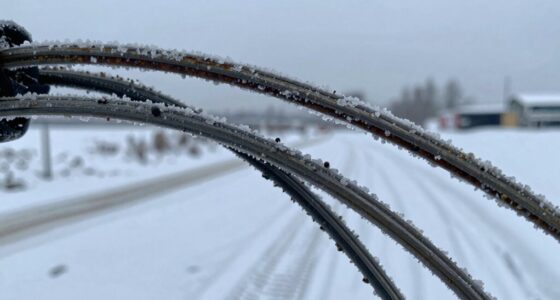
Did you know that temperature fluctuations can cause tire pressure to vary by up to 1 psi for every 10°F change? Weather definitely impacts your maintenance schedule—cold weather lowers tire pressure and fogs your windshield, reducing clarity. You should check tire pressure more frequently during extreme temperatures and clean your windshield regularly to guarantee clear visibility. Adjust your routine accordingly to stay safe and prevent unexpected breakdowns.
engine oil dipstick and funnel kit
As an affiliate, we earn on qualifying purchases.
As an affiliate, we earn on qualifying purchases.
Conclusion
Stick to your weekly maintenance routine like a trusted compass, steering clear of costly breakdowns and sudden traffic jams. Think of it as watering your car’s roots—nurturing its health keeps it thriving mile after mile. When you stay proactive, you’re weaving a safety net beneath your daily journeys, turning potential headaches into smooth sailing. Embrace this habit, and your commute becomes less of a storm and more of a gentle breeze.
As an affiliate, we earn on qualifying purchases.
vehicle maintenance inspection mirror
As an affiliate, we earn on qualifying purchases.
As an affiliate, we earn on qualifying purchases.
Columbus Day / Indigenous Peoples' Day Picks
long weekend sales
As an affiliate, we earn on qualifying purchases.