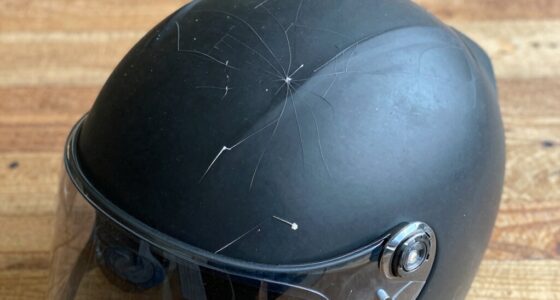
Wearing a helmet doesn’t have to ruin your hairstyle or cause excessive sweat when you focus on good ventilation and sweat control. Opt for helmets with good airflow and consider using moisture-wicking headbands or bandanas to absorb sweat before it reaches your hair. Ensuring a proper fit and adding breathable liners also improve airflow. Keep your scalp clean and choose easy hairstyles to minimize damage. Stay tuned for more tips on keeping your hair healthy under helmets.
Open a free Amazon Business account
Business pricing, bulk buying and tax-exempt orders.
As an affiliate, we earn on qualifying purchases.
Key Takeaways
- Choose helmets with good ventilation features to promote airflow and reduce sweat buildup.
- Use moisture-wicking headbands or bandanas to absorb sweat without blocking airflow.
- Ensure proper helmet fit to improve ventilation and minimize unnecessary hair friction or damage.
- Maintain scalp hygiene through regular washing to prevent sweat and oil accumulation.
- Opt for hairstyles that are easy to manage and do not cause excessive friction under helmets.
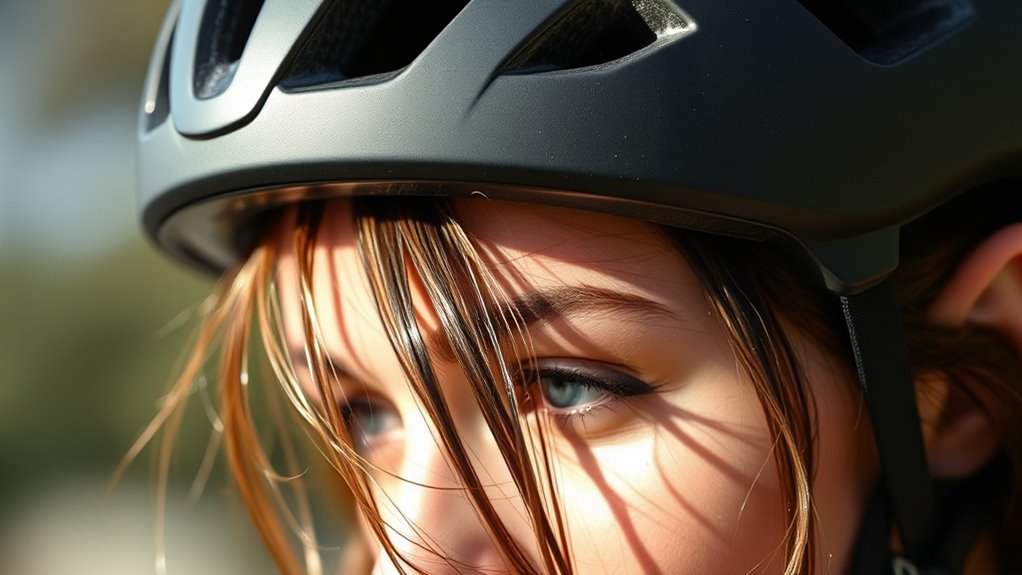
Many people believe that wearing a helmet will ruin their hairstyle, but this common myth isn’t based on facts. The real issue isn’t the helmet itself, but how you manage sweat and airflow while riding or working out. One of the key factors in maintaining good hair health under a helmet is understanding the ventilation benefits. Helmets with good ventilation are designed to allow air to flow through, which helps reduce sweat buildup and keeps your scalp cooler. When your scalp stays dry and well-ventilated, you’re less likely to experience hair damage or breakage from excess moisture or sweat. Proper airflow also prevents sweat from saturating your hair, which can lead to frizz, scalp irritation, and hair loss over time. By choosing a helmet that prioritizes ventilation benefits, you’re actively supporting hair preservation as well as comfort during use.
To control sweat without sacrificing ventilation, consider wearing a moisture-wicking headband or bandana underneath your helmet. These accessories absorb sweat before it reaches your hair, helping you stay dry and comfortable. They also improve airflow around your scalp, preventing sweat from pooling and causing damage. Additionally, using a light, breathable helmet liner can further enhance ventilation benefits, ensuring your scalp remains cool and dry even during intense activity. Proper helmet fit is equally important; a well-fitted helmet doesn’t rub or cause unnecessary pressure, which can lead to hair breakage or scalp irritation. When your helmet fits snugly but isn’t too tight, it allows for better airflow and reduces the risk of damaging your hair.
Maintaining good scalp hygiene by washing your hair regularly can also help prevent buildup that worsens helmet hair issues. Regular hair care routines contribute to healthier hair, especially when combined with proper helmet ventilation to improve airflow and moisture control. If you’re concerned about helmet hair, opt for styles that are easy to manage and won’t suffer from flattening or frizz after wear. Remember, the goal is to keep your scalp and hair healthy by maintaining good ventilation and controlling sweat effectively. The myth that helmets ruin your hairstyle overlooks the importance of proper helmet choice and hair care routines. When you prioritize ventilation benefits and hair preservation, you can enjoy safe, comfortable rides or workouts without sacrificing your hairstyle or hair health.

OutdoorMaster Skateboard Cycling Helmet - Two Removable Liners Ventilation Multi-Sport Scooter Roller Skate Inline Skating for Kids, Youth & Adults
- Durable Construction: Reinforced ABS shell with EPS core
- Removable Liners: Two washable, adjustable liners
- Multi-Sport Use: Suitable for skating, cycling, BMX, MTB
As an affiliate, we earn on qualifying purchases.
Frequently Asked Questions
Can Specific Helmet Materials Reduce Helmet Hair?
Yes, choosing helmets with moisture-wicking fabrics and specific helmet materials can help reduce helmet hair. These materials absorb sweat and keep it away from your scalp, minimizing the mess and slickness caused by excess moisture. Look for helmets made with breathable, quick-drying fabrics like polyester blends, which promote airflow and help maintain your hair’s appearance. This way, you stay comfortable and avoid helmet hair worries during your ride.
Does Hair Type Influence Helmet Hair Formation?
Absolutely, your hair type influences helmet hair. If you have curly or thick hair, you might find helmet hair more stubborn than a stubborn mule. Fine or straight hair tends to lie flatter, but your scalp oil can turn a helmet into a greasy mess faster than you can say “helmet hair.” So, your hair texture and scalp oil levels are the secret ingredients to managing that helmet-induced chaos.
Are There Hairstyles That Minimize Helmet Hair?
Yes, you can choose hairstyles that minimize helmet hair. Opt for low maintenance hairstyles like ponytails or buns, which reduce hair flattening. Use hair-friendly accessories like soft scrunchies or headbands that don’t cause dents or breakage. Keeping your hair off your face helps prevent sweat buildup and helmet hair, so experiment with styles that are easy to maintain and won’t compromise ventilation or damage your hair.
How Long Does Helmet Hair Typically Last After Riding?
Helmet hair typically lasts about an hour after your ride, but it varies with sweat and hair type. Think of it as a fleeting shadow—once you step out of the helmet, the post-ride volume gradually dissipates. To speed up the process, try gentle brushing or using a light styling product. Staying hydrated and avoiding excessive heat can also help your hair bounce back faster, restoring your natural look.
Can Certain Hair Products Prevent Helmet Hair Buildup?
Yes, certain hair product choices and styling techniques can help prevent helmet hair buildup. Opt for lightweight, non-greasy products like volumizing sprays or dry shampoos that absorb excess oil. Before riding, try styling techniques such as braiding or pinning your hair to reduce friction and flatten hair. These tips help keep your hair looking fresh and minimize helmet imprint, making your post-ride look more polished.

OutdoorMaster Beetles Snug Skateboard Bike Helmet for Adults, Youth
- Maximum Protection: ABS shell with EPS foam for shock absorption
- Adjustable Fit: Interchangeable pads and adjustable straps
- Ventilation: 12 vents for cooling and comfort
As an affiliate, we earn on qualifying purchases.
Conclusion
Don’t let the helmet hair myth fool you into sacrificing comfort for style. With the right ventilation, sweat control, and a few smart tricks, you can stay fresh and confident without sacrificing airflow. Remember, it’s all about working smarter, not harder. If you keep your helmet clean and choose breathable fabrics, you’ll find that sweating it out doesn’t mean losing your hair or your cool. After all, sometimes you’ve got to roll with the punches to stay on top of your game.

80SIX Triple-Certified Multisport Helmet for Kids, Teens & Adults
- Multi-Sport Use: Suitable for biking, skateboarding, and more
- Adjustable Fit: Multiple sizes for ages 5 and up
- Comfortable & Ventilated: Sturdy shell with breathable design
As an affiliate, we earn on qualifying purchases.

OutdoorMaster Skateboard Cycling Helmet - Two Removable Liners Ventilation Multi-Sport Scooter Roller Skate Inline Skating for Kids, Youth & Adults
- Durable Construction: Reinforced ABS shell with EPS core
- Removable Liners: Two washable liners for different sizes
- Multi-Sport Use: Suitable for skating, cycling, BMX, MTB
As an affiliate, we earn on qualifying purchases.
Summer Picks
summer essentials
As an affiliate, we earn on qualifying purchases.